SAEDNEWS: Alopecia areata, commonly known as patchy hair loss, is an autoimmune condition that causes round or oval areas of hair loss on the scalp or other parts of the body. It can affect people of any age and may appear suddenly. Several treatment options are available to help manage the condition and encourage hair regrowth.
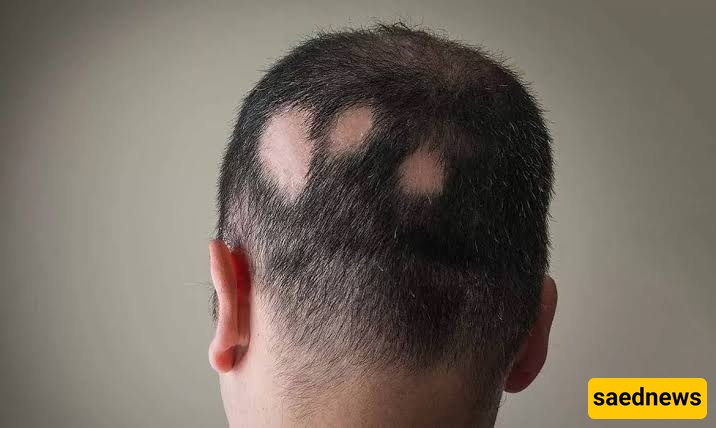
According to Saednews, Alopecia areata, commonly known as patchy hair loss, is an autoimmune condition in which the body’s immune system mistakenly attacks hair follicles, causing hair to fall out in small, round or oval patches. In this article, we explore the causes, symptoms, diagnosis, duration, and available treatment options for alopecia areata.
Alopecia areata is an autoimmune disorder in which the immune system mistakenly identifies hair follicles as a threat and attacks them. This can weaken the follicles and cause hair loss.
The condition typically appears as smooth, round or oval patches without hair. These patches can develop on the scalp or on other parts of the body.
The exact cause of alopecia areata is not fully understood. However, it is associated with an abnormal immune response in which the immune system attacks healthy hair follicles.
Several factors may contribute to the development of the condition, including:
Genetics: People with a family history of alopecia areata or other autoimmune conditions may have a higher risk of developing it.
Immune system dysfunction: Alopecia areata occurs when the immune system mistakenly targets hair follicles.
Stress and environmental factors: Severe stress or certain environmental triggers may influence the immune system and contribute to hair loss in some individuals.
Hormonal changes: Changes in hormone levels may play a role in triggering or worsening hair loss in some people.
Other autoimmune conditions: People with autoimmune diseases such as type 1 diabetes or lupus may have an increased risk of developing alopecia areata.
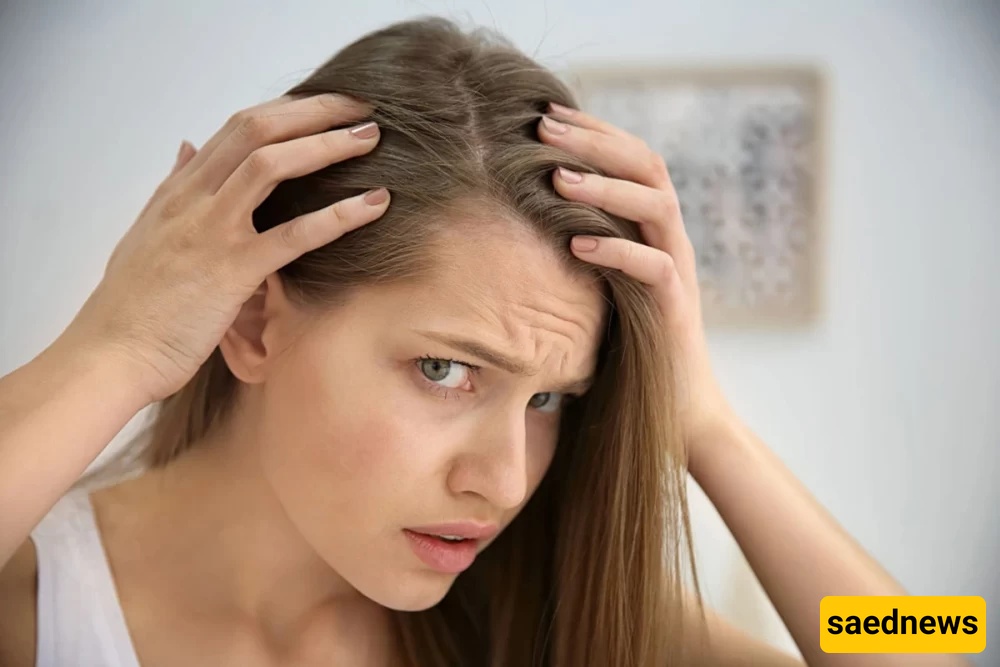
Alopecia areata can often be diagnosed based on its characteristic appearance. However, a healthcare professional may use additional tests when necessary, including:
Physical examination: The doctor examines the areas of hair loss and reviews the person's medical history.
Blood tests: These may be performed when there is a reason to look for other autoimmune conditions or underlying health problems.
Skin biopsy: In uncommon cases, a small sample of skin may be examined to rule out other causes of hair loss.
There is no fixed duration for alopecia areata. In some people, hair may begin growing back naturally within several months or years. In others, hair loss may persist or require treatment.
The condition can also be unpredictable. Some people experience a single episode, while others may have repeated periods of hair loss and regrowth.
Alopecia areata itself is generally not dangerous and does not damage vital organs. However, visible hair loss can have a significant emotional and psychological impact.
Some people may experience anxiety, distress, embarrassment, or reduced self-confidence as a result of the condition. Addressing both the physical and emotional effects of hair loss can therefore be an important part of managing alopecia areata.
In many cases, hair grows back after alopecia areata. However, regrowth may take time, and the outcome varies from person to person.
Some individuals may benefit from treatment to encourage hair growth or reduce ongoing hair loss. A dermatologist can assess the severity of the condition and recommend an appropriate treatment plan.
Alopecia areata can affect women as well as men and may develop for many of the same reasons.
Hormonal changes, including those associated with pregnancy or menopause, may influence hair loss in some women. Alopecia areata can affect not only the scalp but also the eyebrows, eyelashes, and other areas of the body.
Because hair can have an important effect on appearance and self-image, patchy hair loss may cause considerable emotional distress for some women.
Alopecia areata is not limited to the scalp. It can also affect facial hair, including the beard.
Beard alopecia areata, particularly in younger men, can lead to noticeable patches of missing hair and may affect self-confidence. Depending on the severity and location of the patches, treatments such as corticosteroid injections or topical medications may help encourage hair regrowth.
A dermatologist can determine the most appropriate treatment based on the individual’s condition.
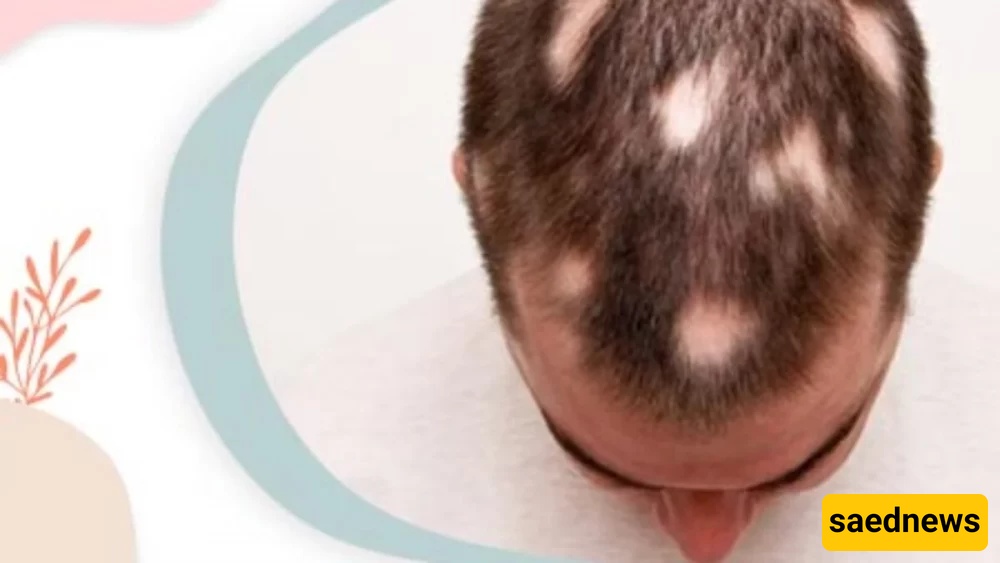
There is currently no guaranteed permanent cure for alopecia areata, but several treatments can help manage the condition and encourage hair regrowth.
Topical corticosteroids may help reduce inflammation around affected hair follicles. Other topical treatments, including minoxidil or anthralin, may also be used in selected cases to encourage hair growth.
Corticosteroid injections are sometimes used when alopecia areata affects small, localized areas. The medication is injected directly into or around the affected patches to help suppress the immune response.
Certain oral medications can modify immune-system activity and may help slow hair loss or promote regrowth. The choice of medication depends on the severity and extent of the condition.
Some light-based treatments have been investigated for alopecia areata. These approaches aim to influence the inflammatory process and stimulate hair follicles, although their effectiveness can vary.
PRP treatment uses a concentrated portion of a person's own blood platelets. The preparation is injected into the affected area with the aim of stimulating hair follicles and promoting hair growth. Evidence for PRP in alopecia areata is still developing, and it may not be suitable for everyone.
Alopecia areata is an autoimmune form of hair loss that can appear suddenly as round or oval patches on the scalp, beard, eyebrows, eyelashes, or other parts of the body. Although it is usually not medically dangerous, its unpredictable nature and visible effects can have a substantial emotional impact.
Hair may regrow naturally in some cases, while others may require medical treatment. Anyone experiencing sudden or unexplained patchy hair loss should consider seeing a dermatologist for an accurate diagnosis and an individualized treatment plan.