SAEDNEWS: In this article, we take a detailed look at the differences between local milk and pasteurized milk from several perspectives. We explore key factors such as safety, nutritional value, taste, and shelf life to help readers better understand the advantages and differences between these two types of milk.
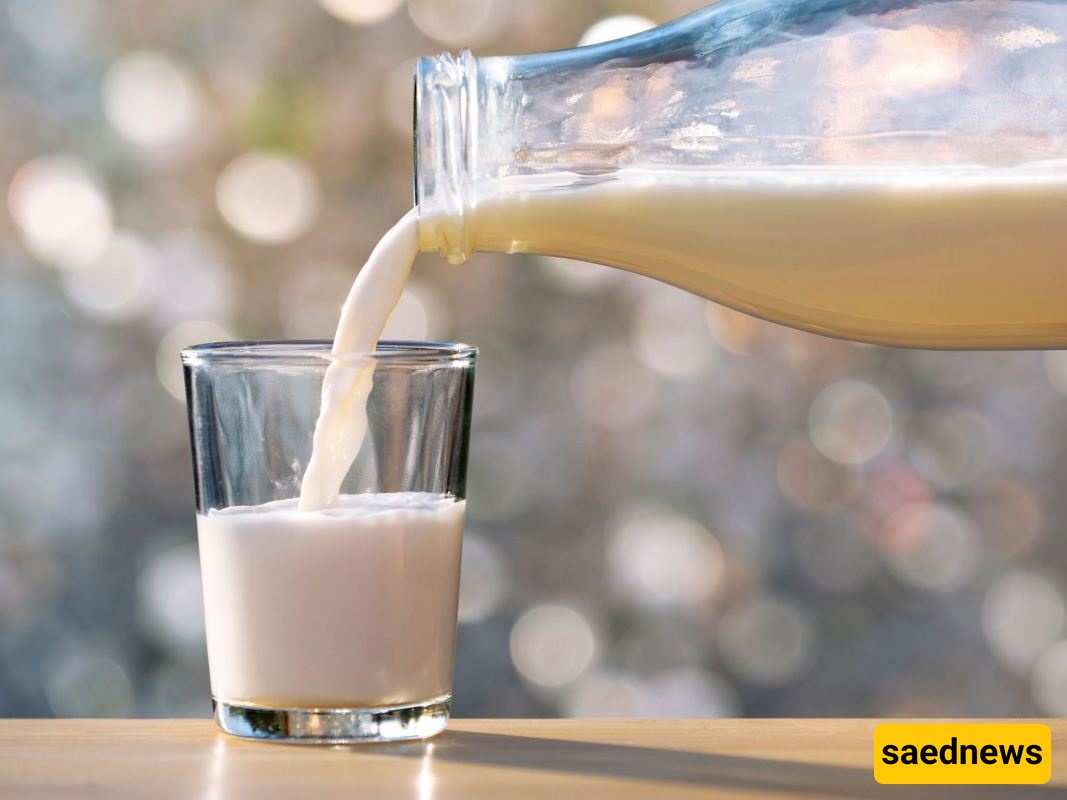
According to Saednews, Milk has long been considered one of the most complete and nutritious foods in the family diet. This valuable beverage is rich in protein, calcium, B vitamins, and essential minerals that play an important role in children's growth, bone health, and immune system function. However, consumers today generally face two main choices: local raw milk, obtained directly from traditional farms, and factory-produced pasteurized milk, which is processed and packaged using modern industrial methods.
The question is: Which type of milk is actually better?
In this article, we compare local and pasteurized milk from several perspectives so you can make a more informed choice.
Local milk refers to milk that is traditionally obtained from cows, sheep, or goats and is sold to consumers without industrial processing. It is commonly sold in plastic or metal containers by farms or traditional dairy shops.
Many families prefer local milk because of its rich, traditional flavor. They usually boil it at home before drinking it. However, raw local milk does not undergo the same standardized industrial quality and safety controls as pasteurized milk, which can create important health concerns.
Pasteurized milk is collected from dairy farms and processed at modern dairy facilities. It undergoes pasteurization, which typically involves heating the milk to around 72–75°C (162–167°F) for approximately 15–20 seconds.
The purpose of this process is to destroy disease-causing microorganisms such as Salmonella, Escherichia coli, and bacteria associated with brucellosis.
Pasteurized milk may then be homogenized, a process that distributes the fat evenly throughout the milk, and packaged under controlled hygienic conditions. Some manufacturers also fortify milk with vitamins such as A and D to increase its nutritional value.
One of the most common beliefs is that local raw milk is more nutritious than pasteurized milk. This idea is partly based on the richer taste and higher cream content that some raw milk products may have.
Scientifically, however, there is generally no major difference in the basic nutritional value of the two types of milk.
Pasteurization can cause some loss of heat-sensitive vitamins, while major nutrients such as protein, calcium, phosphorus, and fat remain largely intact. The exact nutritional changes depend on the milk and processing conditions.
One noticeable difference is that raw milk is usually not homogenized. As a result, its fat naturally rises to the surface as cream. Some consumers collect this cream to make butter or traditional cream products, which can significantly increase their calorie intake.
In other words, when local milk is consumed without prolonged heating, its nutritional profile can be broadly comparable to that of whole pasteurized milk. However, boiling raw milk for a long time can reduce some heat-sensitive nutrients and may also change its flavor.
Therefore, the claim that local milk is automatically "more nutritious" is not particularly accurate. Differences are more closely related to fat content, animal diet, and how the milk is processed and prepared.
The most important concern with raw local milk is the risk of contamination and transmission of diseases that can pass between animals and humans.
Raw milk can contain harmful microorganisms, including Brucella, which causes brucellosis, as well as Salmonella, Listeria, and organisms associated with tuberculosis.
Brucellosis can cause recurring fever, joint pain, night sweats, and, in chronic cases, complications affecting the heart and nervous system.
Unfortunately, some people assume that boiling raw milk at home completely eliminates these risks. While sufficient heating can destroy many harmful microorganisms, inadequate or inconsistent heating may not provide the same level of safety as controlled commercial pasteurization.
Pasteurized milk, by contrast, is heated under carefully controlled conditions designed to eliminate important disease-causing pathogens.
For this reason, major public health authorities advise children, pregnant women, older adults, and people with weakened immune systems to avoid raw milk. In many countries, the sale of raw milk is prohibited or subject to strict regulations.
Some people believe that local raw milk is easier to digest and may be more suitable for people who are sensitive to lactose. There is little scientific basis for this assumption.
The lactose naturally present in raw and pasteurized milk is essentially the same.
Heat treatment can alter some milk proteins, and this may affect how certain individuals tolerate the milk. However, this does not make pasteurized milk suitable for people with a true milk-protein allergy. Individuals with serious milk allergies generally need to avoid milk regardless of whether it is raw or pasteurized.
Raw milk also contains naturally occurring enzymes and microorganisms that some people believe may support digestion. However, any potential benefit is outweighed by the health risks associated with pathogenic bacteria.
Pasteurization also improves milk's safety during storage by reducing the number of harmful microorganisms that could multiply over time.
When it comes to flavor, local milk often has an advantage for people who enjoy a traditional taste.
Its distinctive aroma, richer flavor, and creamy texture are appreciated by many consumers. Milk from different animal breeds and farms can also have different fat and fatty-acid profiles.
Factory-produced pasteurized milk generally has a milder and more consistent flavor because of homogenization and heat treatment. Some people may perceive certain processed milks as slightly more watery or cooked in flavor.
UHT milk, which is processed at very high temperatures, can sometimes develop a slightly caramelized or cooked taste that some consumers may not enjoy.
However, taste is only one factor to consider. Local milk can vary considerably from one region to another, and even from season to season, depending on the animal breed, feed, and farming conditions.
This variety may appeal to people who enjoy traditional products, while consumers looking for consistent quality may prefer commercially processed pasteurized milk.
Raw local milk generally has a short shelf life and must be refrigerated promptly. Even when boiled, it can spoil relatively quickly because microorganisms may remain or be reintroduced during handling.
Pasteurized milk typically has a longer refrigerated shelf life when kept in its original packaging. UHT milk can remain unopened for several months without refrigeration, provided it is stored according to the manufacturer's instructions.
This difference can be particularly useful for busy families and people who cannot purchase fresh milk every day.
Soy milk and cow's milk are different types of nutritious beverages. Soy milk is made from soybeans rather than being a mixture of milk and soy. Each has its own nutritional characteristics and may be suitable for different dietary needs.
Local milk is often less expensive than commercially packaged milk, especially when purchased directly from a farm.
However, the overall cost should also be considered. Consumers may spend additional time and energy boiling the milk, dealing with its shorter shelf life, and managing the risk of spoilage.
In rural areas and smaller towns, local milk may be one of the few readily available options, while access to commercially processed milk may be limited.
In larger cities, consumers generally have access to a wide range of pasteurized milk products, including low-fat, whole, fortified, and flavored varieties.
Pasteurized milk is strongly preferred because young children's immune systems are still developing and foodborne infections can be particularly serious.
Pregnant women should avoid raw milk because pathogens such as Listeria can cause serious complications during pregnancy, including miscarriage and severe illness in newborns.
Pasteurized milk is generally the safer choice. Anyone considering raw milk should understand the risks and follow appropriate food-safety practices.
Healthy adults may choose local milk for its taste or traditional characteristics, but raw milk still carries an additional microbiological risk. The safety of the animals, milking process, storage conditions, and veterinary supervision all matter.
If you still prefer local raw milk, several precautions can reduce the risk:
Buy milk from a reputable source where the animals are regularly monitored by a veterinarian.
Heat raw milk thoroughly before consumption rather than drinking it directly.
Cool boiled milk promptly and store it in the refrigerator.
Never consume raw milk in foods or drinks that will not receive sufficient heat treatment.
Use boiled milk within a short period and keep it refrigerated at all times.

After considering the major differences, pasteurized milk is generally the safer choice when food safety is the priority.
The basic nutritional value of raw and pasteurized milk is broadly similar, while pasteurization substantially reduces the risk of exposure to dangerous pathogens such as those responsible for brucellosis, Salmonella infections, and listeriosis.
Local milk may be more appealing in terms of traditional flavor and texture, but these qualities do not outweigh the potential microbiological risks of consuming raw milk.
This is especially important for children, pregnant women, older adults, and people with weakened immune systems, who are more vulnerable to foodborne infections.
For consumers who want a richer taste, whole pasteurized milk can be an alternative to raw milk. Commercially processed traditional-style dairy products that are produced under appropriate hygiene and safety standards can also provide a balance between familiar flavor and improved food safety.
Ultimately, choosing safe and properly handled milk is one of the simplest ways to protect your family's health. The best choice depends not only on taste and nutrition, but also on food safety, storage conditions, and individual health needs.