SAEDNEWS: This article explores the history of vintage rugs, their different types, how they differ from antique rugs, essential buying and maintenance tips, and the role of vintage or distressed rugs in modern interior design.
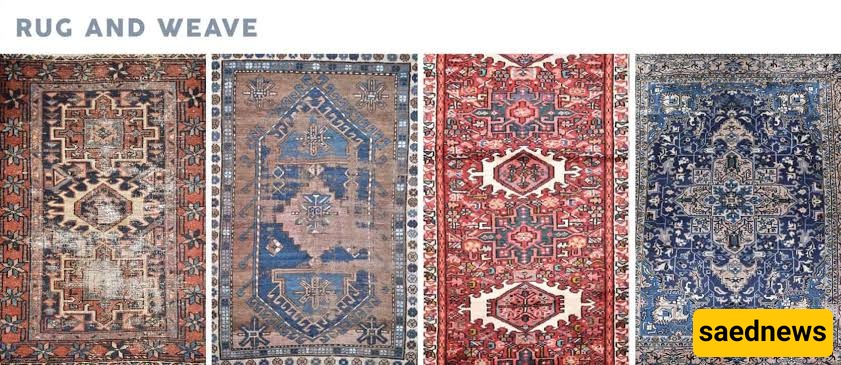
According to Saednews, In recent years, interior design has shifted toward authenticity, warmth, and nostalgic charm. One of the standout elements driving this trend is the vintage rug, also known as a distressed rug.
With faded colors, timeworn textures, and traditional patterns, vintage rugs bring character and history into modern living spaces. But what exactly is a vintage rug, and how does it differ from an antique or a brand-new rug?
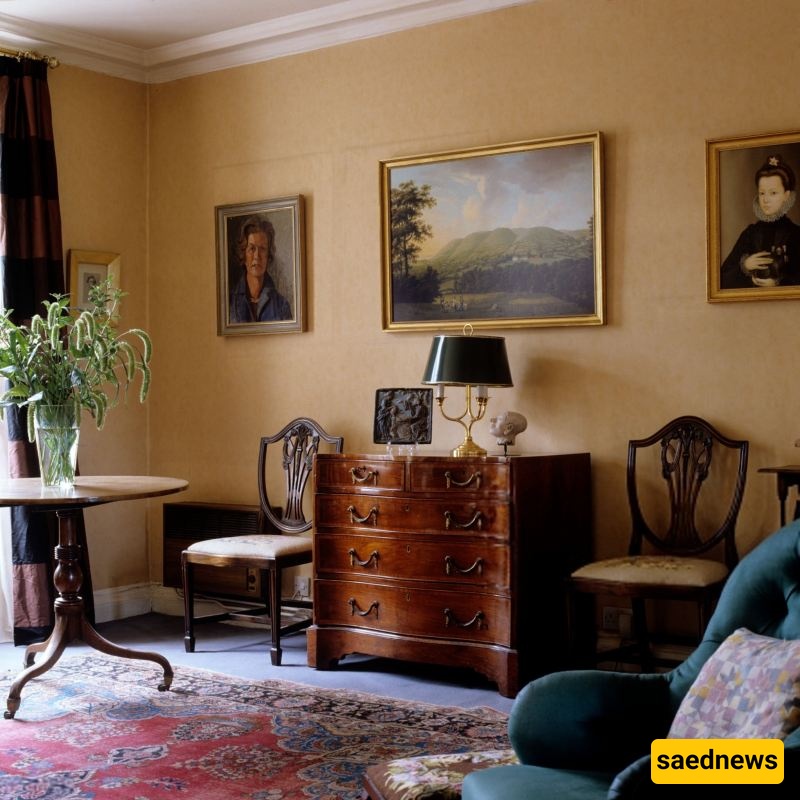
This guide explores everything you need to know about vintage rugs—from their history and types to buying advice, maintenance tips, and how to use them in contemporary interior design.
A vintage rug is either an authentic rug that is typically 30 to 100 years old or a newly manufactured rug that has been intentionally aged to create a worn, vintage-inspired appearance.
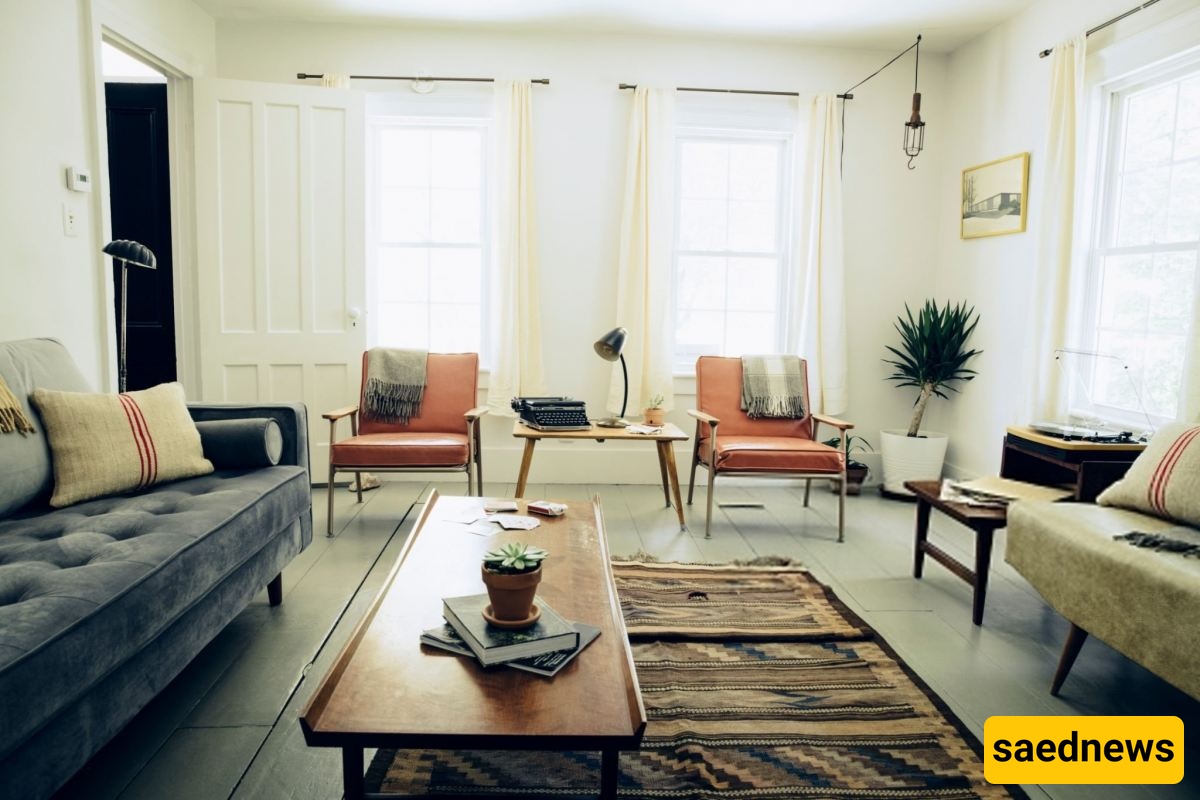
There are two primary categories:
These rugs were woven decades ago and have naturally developed a faded look over time through daily use, sunlight, and repeated cleaning. Their softened colors and aged textures make every piece unique.
Many authentic vintage rugs originate from traditional weaving regions in Iran, Turkey, Afghanistan, and the Caucasus, where handmade craftsmanship has been passed down through generations.
Distressed rugs are modern rugs that undergo specialized finishing techniques to achieve an aged appearance. Manufacturers may use controlled washing, selective color fading, surface abrasion, or fiber trimming to recreate the look of an old rug.
These rugs have become especially popular in Bohemian, Rustic, Industrial, and Modern interiors because they combine classic designs with contemporary practicality.
Handwoven rugs have been produced across the Middle East for thousands of years. Many rugs now considered vintage were woven during the early to mid-20th century.
Originally, these rugs were made for everyday use in village homes, nomadic tents, and royal residences rather than as decorative collectibles.
Natural dyes derived from plants and minerals—including madder root, indigo, walnut husks, and saffron—allowed the colors to age beautifully instead of deteriorating. As the fibers matured, many rugs became softer and more visually appealing.
During the 1960s and 1970s, the growing popularity of Bohemian and hippie culture introduced handmade Eastern rugs to Western homes. Their artistic character and unique craftsmanship quickly made them symbols of individuality and creative living.
Today, vintage rugs remain highly desirable because they combine history, artistry, and timeless beauty.
Many people confuse vintage rugs with antique rugs, but there are important distinctions.
Feature | Antique Rug | Vintage Rug | Distressed Rug |
|---|---|---|---|
Age | More than 100 years | Around 30–100 years | Usually less than 10 years |
Value | Highly collectible and valuable | Moderate to high value | Based on design and construction quality |
Appearance | Naturally aged, sometimes fragile | Naturally or intentionally aged | Artificially distressed |
Price | Premium | Mid to high range | Generally more affordable |
Collectors often seek antique rugs as investment pieces, while vintage rugs appeal to homeowners looking for timeless style and everyday functionality.
One of the defining characteristics of vintage rugs is their faded appearance. Bright colors gradually evolve into soft shades of beige, cream, dusty blue, muted red, and earthy neutrals that blend effortlessly with modern interiors.
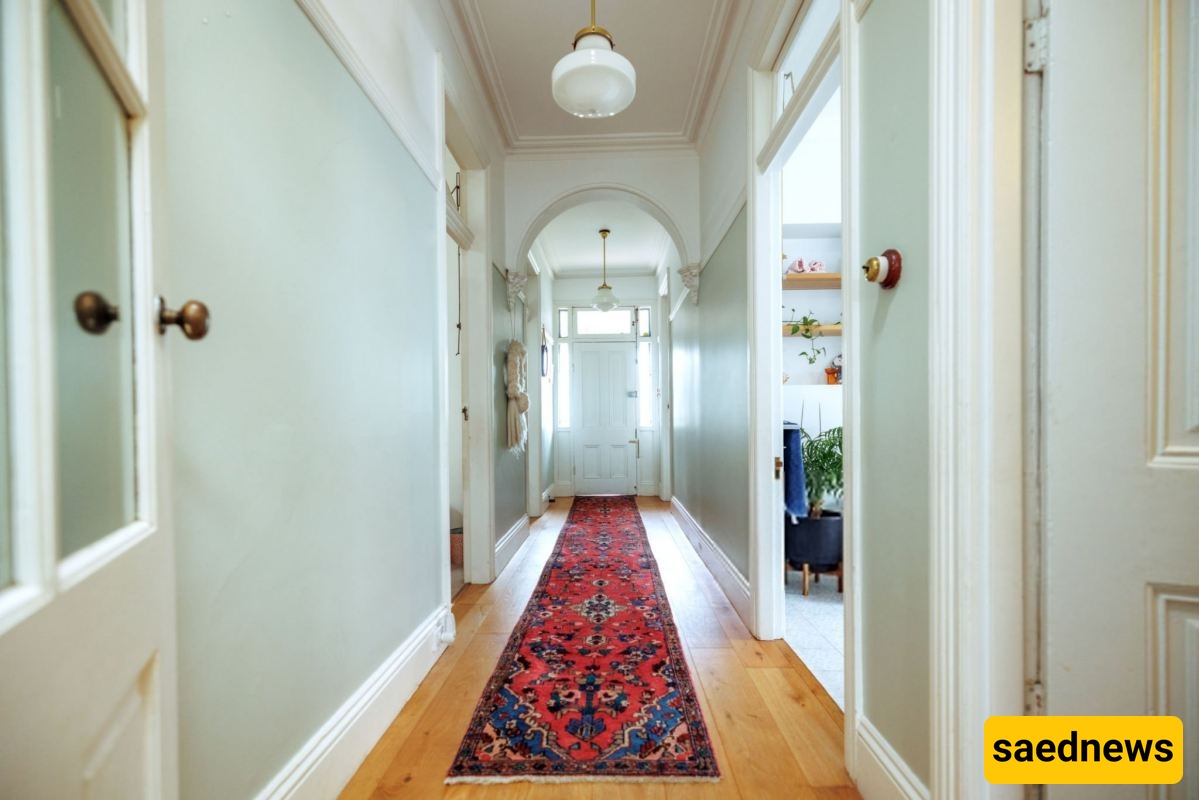
Authentic vintage rugs often feature Persian medallions, floral motifs, geometric patterns, paisley designs, and tribal symbols.
Contemporary distressed rugs preserve these classic elements while simplifying them for today's design preferences.
Years of use—or carefully controlled distressing techniques—create a softer texture than many new rugs. This gives vintage rugs a relaxed and welcoming feel underfoot.
Most authentic vintage rugs are woven from wool, cotton, or silk. These natural fibers offer excellent durability, insulation, and breathability while developing even more character with age.
Several factors explain the growing demand for vintage rugs.
Unlike mass-produced flooring, vintage rugs tell a story. Their faded colors, slight imperfections, and handcrafted details create a warm and inviting atmosphere.
Buying an authentic vintage rug or choosing a distressed rug inspired by traditional craftsmanship reduces the need for newly manufactured materials, making it a more environmentally conscious decorating choice.
Vintage rugs complement a wide range of interiors, including:
Bohemian
Scandinavian
Modern Minimalist
Rustic
Farmhouse
Traditional
Industrial
Their versatility makes them one of the easiest decorative elements to incorporate into almost any home.
Handwoven vintage rugs are one of a kind. Variations in weaving, color, and wear ensure that no two rugs are exactly alike.
For buyers seeking historic charm without paying collector prices, vintage rugs provide an attractive balance between authenticity and affordability.
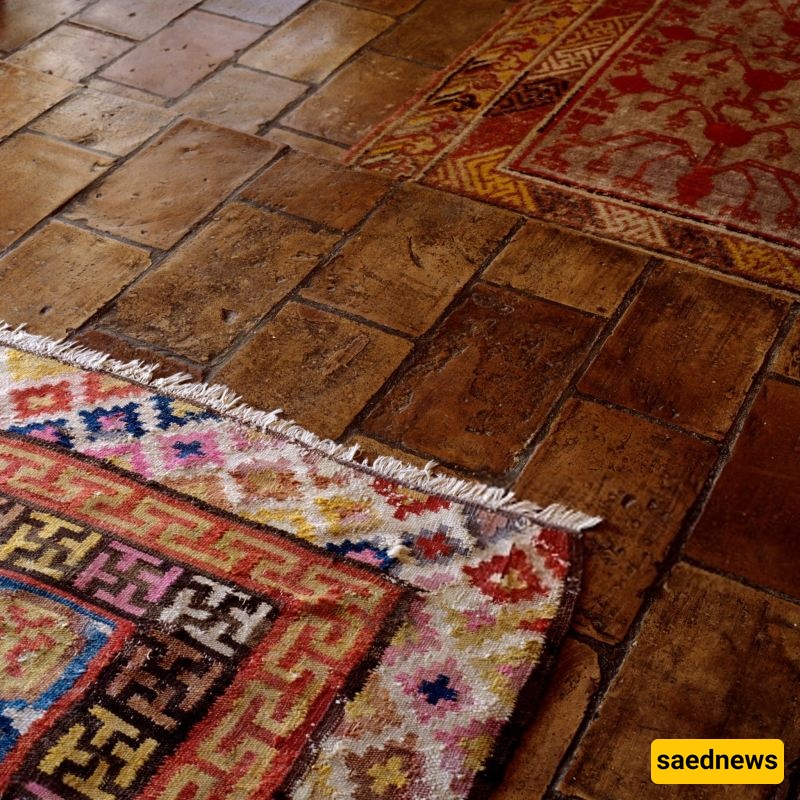
Ask whether the rug is genuinely vintage or simply distressed. Authentic rugs often show natural signs of age, while distressed rugs usually display more consistent fading.
Look closely at knot density, fiber quality, and weaving craftsmanship. High-quality wool and fine knots are indicators of lasting durability.
Artificial lighting can alter colors. Always inspect a rug in daylight to accurately evaluate its tones and fading.
Turn the rug over and inspect both sides. Avoid rugs with severe mold, water damage, large tears, or extensive structural repairs unless professionally restored.
Prices vary depending on age, size, origin, craftsmanship, and condition. Authentic Persian vintage rugs generally command higher prices than machine-made distressed alternatives.
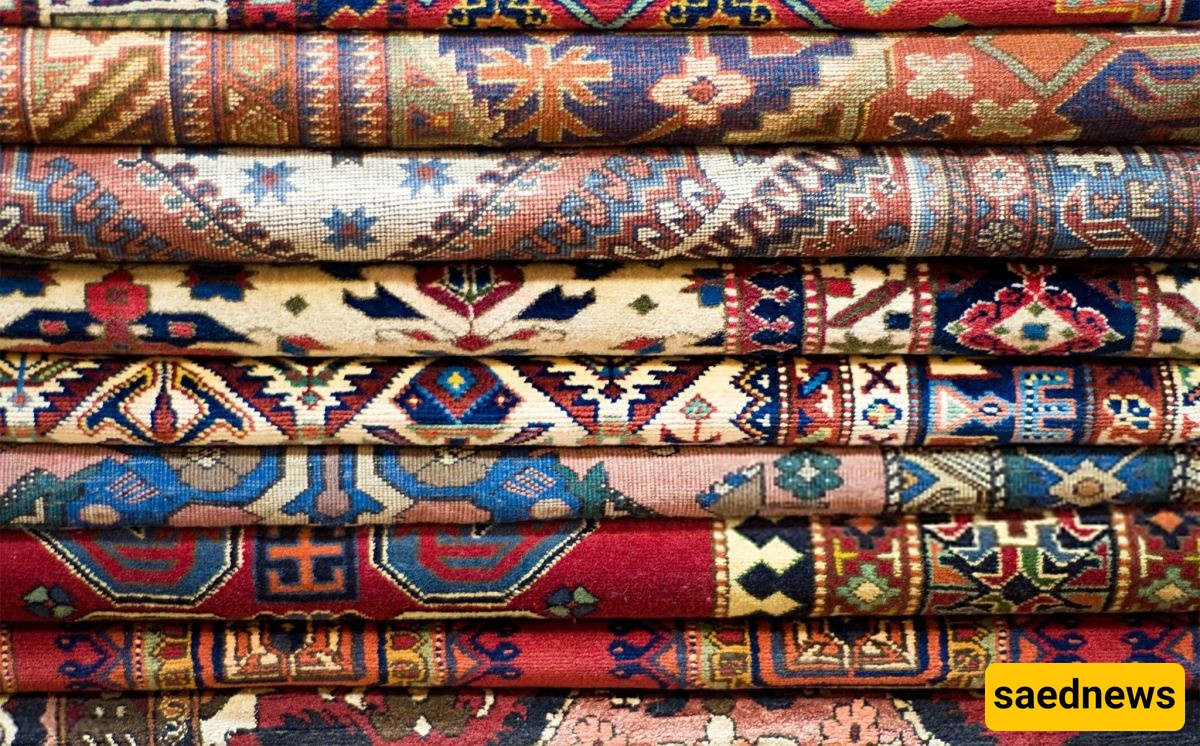
Proper maintenance helps preserve both beauty and longevity.
Vacuum gently using a suction-only setting whenever possible.
Arrange professional cleaning every few years.
Keep the rug out of prolonged direct sunlight to prevent excessive fading.
Rotate it every few months to ensure even wear.
Clean spills immediately by blotting instead of rubbing, using mild cleaning solutions suitable for natural fibers.
Pair a vintage rug with colorful cushions, natural wood furniture, woven baskets, and indoor plants for a relaxed artistic atmosphere.
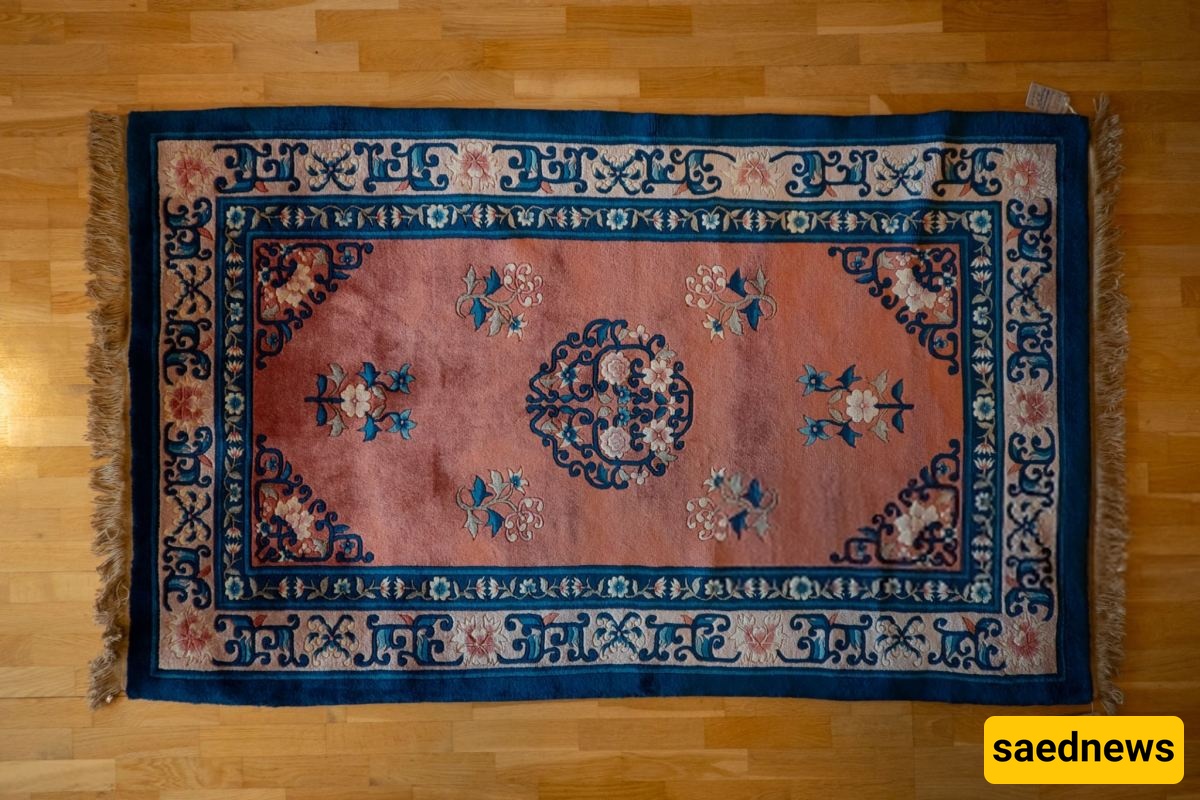
A large vintage rug can become the focal point of a neutral room, adding warmth and visual interest without overwhelming the space.
Vintage Persian and tribal rugs complement exposed wood beams, stone fireplaces, and handcrafted furniture beautifully.
Muted vintage rugs work especially well with clean lines, light-colored furniture, and natural textures, creating a cozy and balanced environment.
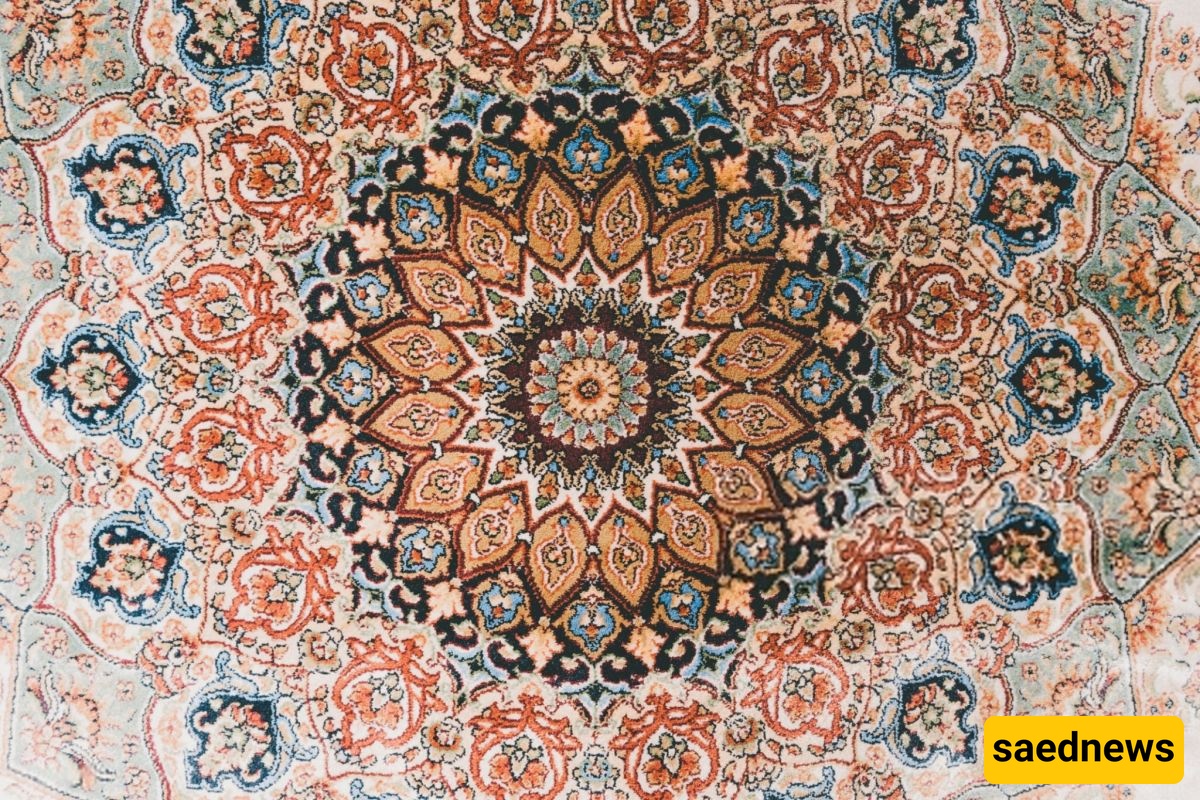
A vintage rug is far more than a floor covering—it is a piece of history woven into everyday life. Whether naturally aged or carefully distressed, these rugs bring warmth, texture, and personality to any room.
Their timeless appeal, versatile design, and handcrafted beauty make them suitable for both classic and contemporary interiors. With proper care, a quality vintage rug can remain a cherished feature of your home for decades.
When choosing one, focus on craftsmanship, material quality, authenticity, and overall condition. A well-selected vintage rug is not only a decorative statement but also a lasting investment in comfort, style, and enduring design.