SAEDNEWS: Succulents are beautiful, hardy plants that come in an impressive variety of shapes, colors, and forms. With a few simple care tips, these low-maintenance plants can add freshness, character, and a lively touch to any home.
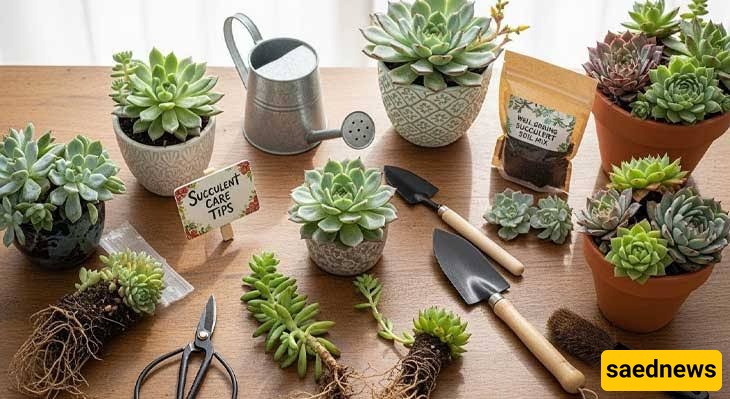
According to Saednews, Succulents are beautiful plants that range from small to medium in size. They come in an impressive variety of shapes, sizes, and colors. Although many succulents originally grew in desert environments, they have become popular houseplants because of their unique appearance, variety, and relatively simple care requirements.
Succulents are known for their thick, fleshy leaves and stems, which allow them to store water and survive periods of drought. In general, these plants are highly tolerant of challenging conditions such as heat, cold, and limited water. However, some varieties adapt particularly well to indoor environments and are excellent choices for growing at home.
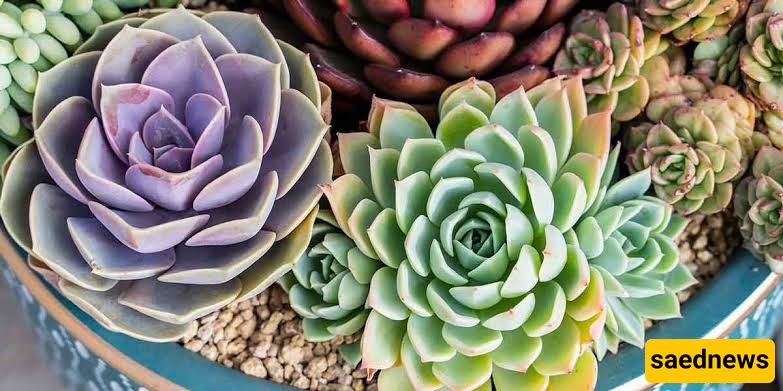
Haworthia is a group of small succulents native to South Africa. These plants generally prefer plenty of light and relatively little water. Despite their compact size, Haworthia species are available in many different forms and patterns.
Some of the best-known varieties include:
Zebra Haworthia — Haworthia attenuata
Glass Haworthia — Haworthia cooperi
Spider Haworthia — Haworthia limifolia
Sedum succulents come in a wide range of shapes and sizes, from just a few centimeters to varieties that can grow close to one meter tall. They are popular for their attractive foliage and distinctive growth habits. Like many other succulents, Sedum plants generally require plenty of light and limited watering.
Common Sedum varieties include:
Burro's Tail — Sedum morganianum
Jelly Bean Plant — Sedum rubrotinctum
Flowering Sedum — Sedum spp.
Sempervivum succulents typically grow in attractive rosette shapes and are available in a variety of colors. They are particularly well known for their resistance to cold temperatures. Their name means "always living," which reflects their ability to survive difficult growing conditions.
Popular Sempervivum varieties include:
Common Houseleek — Sempervivum tectorum
Mountain Houseleek — Sempervivum montanum
Cobweb Houseleek — Sempervivum arachnoideum
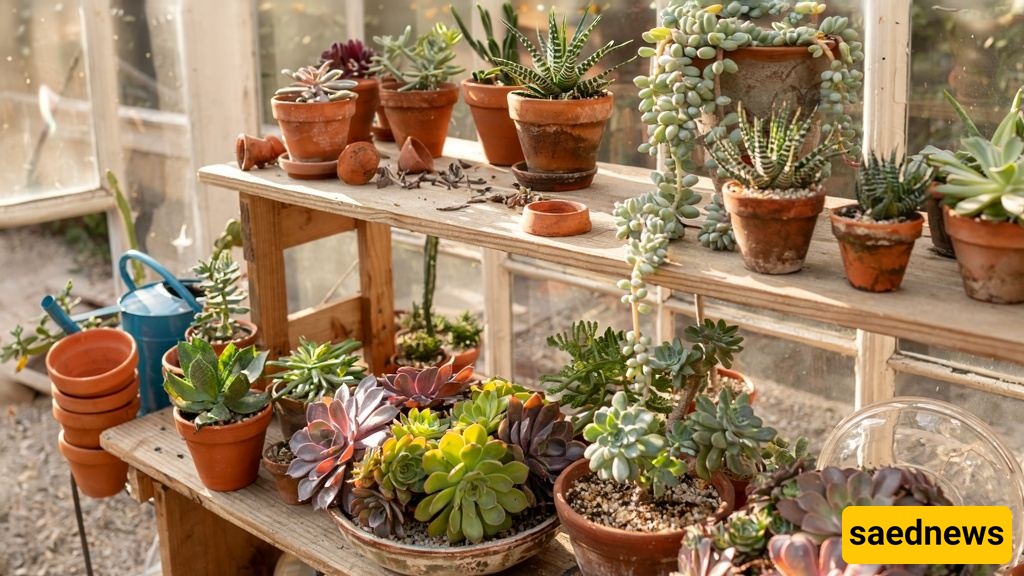
Succulents are generally easy-care plants, but their tough appearance does not mean they can be completely neglected. With the right amount of light, water, and suitable temperatures, they can remain healthy and attractive for a long time.
Most succulents need plenty of sunlight. Many varieties grow best with around 3 to 6 hours of sunlight per day, although their exact requirements can vary.
Green succulents often tolerate lower light levels than brightly colored varieties. For indoor growing, placing succulents near an east- or south-facing window can provide the bright light they need.
However, intense direct sunlight can sometimes cause leaf scorch, particularly when a plant has not been gradually exposed to strong sunlight. Check the leaves occasionally for signs of sunburn and move the plant if necessary.
Succulents do not require frequent watering because they store water in their leaves and stems. The most important watering rule is to allow the potting soil to dry out completely before watering again.
Watering while the soil is still wet can increase the risk of root rot and may eventually damage or kill the plant.
The ideal watering frequency depends on the growing conditions. During hot weather, succulents growing in well-draining soil may need water somewhat more frequently. In cooler conditions, their water requirements usually decrease.
Always make sure the container has adequate drainage so excess water can escape easily.
Most common succulents are relatively tolerant of temperature changes and can withstand temperatures ranging from approximately 4°C to 35°C (39°F to 95°F). However, temperature tolerance varies considerably between species.
Before placing a succulent outdoors or exposing it to extreme temperatures, check the specific requirements of that variety. Some succulents tolerate cold weather well, while others need protection from low temperatures and frost.
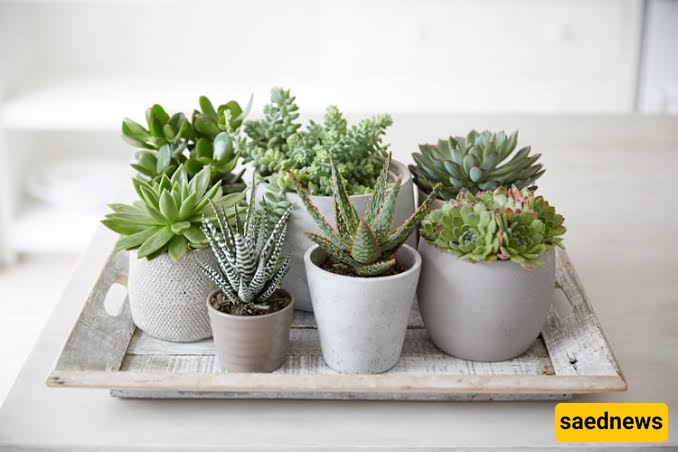
Succulents are an excellent choice for anyone looking for attractive and relatively low-maintenance plants. Their diverse shapes, colors, and growth patterns make them suitable for almost any indoor plant collection. By providing sufficient light, well-draining soil, careful watering, and an appropriate temperature, you can keep your succulents healthy and thriving.