SAEDNEWS: Approximately sixty percent of the human body is made up of water. You are constantly losing water from your body, mainly through urine and then through sweating. To prevent dehydration, you need to drink an adequate amount of water.
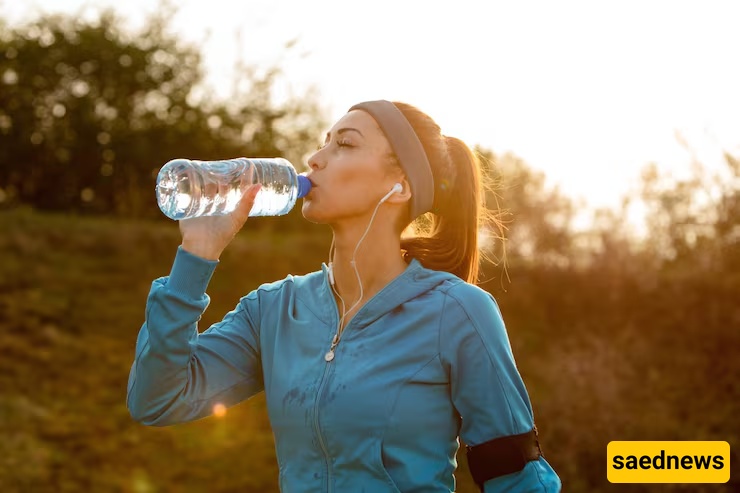
According to SAEDNEWS, There are different opinions about the amount of water a person needs to drink each day. Doctors commonly recommend eight glasses of water, which is equivalent to about two liters. However, some doctors believe that you should drink water consistently throughout the day, even if you do not feel thirsty.
Like most things, the amount of water you need depends on the individual. Many factors (both internal and external) influence your water requirements.
Many people claim that if they do not drink enough water during the day, their energy levels and brain function decrease. A study in women showed that a fluid loss of 1.36% after exercise impaired mood and concentration and increased headaches.
Other studies suggest that dehydration (one to three percent of body weight) caused by exercise or heat can negatively affect many other aspects of brain function.
Dehydration can also have a negative impact on physical performance and may lead to reduced endurance.
There are many claims that increasing water intake can help with weight loss by boosting metabolism and reducing appetite. According to two studies, drinking 500 milliliters of water can temporarily increase metabolism by 24 to 30 percent.
In addition, drinking cold water may be beneficial because your body needs to burn more calories to warm the water to body temperature.
One study found that people following a diet who drank 500 milliliters of water before each meal lost 44 percent more weight over 12 weeks compared with those who did not drink water before meals. Overall, it appears that drinking an adequate amount of water, especially before meals, may contribute to significant weight loss, particularly when combined with a healthy diet.
Additionally, consuming enough water provides other health benefits.

Several health issues may improve with increased water intake:
Constipation: Increasing water consumption may help relieve constipation, which is a very common problem.
Cancer: Some studies suggest that people who drink more water may have a lower risk of developing bladder and colorectal cancer.
Kidney stones: Increasing water intake may reduce the risk of kidney stones.
Plain water is not the only drink that helps maintain fluid balance. Other beverages and foods can also have a significant impact.
A common misconception is that caffeinated drinks such as coffee and tea do not contribute to hydration because caffeine acts as a diuretic. However, studies show that the diuretic effect of these beverages is very weak.
Most foods also contain water. Meat, fish, eggs, and especially fruits and vegetables contain significant amounts of water.
Other beverages, including coffee and tea, can also contribute to maintaining fluid balance.
Maintaining water balance is essential for survival. This is why your body has a complex system that regulates when and how much water you drink. When the total amount of water in your body drops below a certain level, thirst begins.
This process is controlled by mechanisms similar to breathing, meaning you do not need to consciously think about it. For most people, there is probably no need to worry about water intake. Trusting your body’s thirst signals is usually enough.
In some situations, water intake may need to be increased. The most important cases are when you sweat more than usual. This includes exercising and being in hot weather, especially in dry climates.
If you sweat heavily, make sure to replace the fluids you lose by drinking water. Athletes who perform very long and intense workouts may need to replenish electrolytes along with water.
Your need for water also increases during breastfeeding and with certain illnesses such as vomiting and diarrhea. In addition, older adults may need to pay closer attention to their water intake because the thirst mechanism can become less reliable with aging.
At the end of the day, no one can tell you exactly how much water you need. It depends on the individual. Experiment to find what works best for you. Some people’s bodies may function better with more water, while for others, drinking extra water may only lead to more frequent urination.
These guidelines should apply to most people:
Drink water when you feel thirsty.
Stop drinking water when your thirst is satisfied.
During hot weather and intense exercise, make sure to drink enough water to replace the fluids you lose.