SAEDNEWS: Both psychologists and psychiatrists work in the field of mental health, and they share the common goal of helping individuals improve and overcome psychological disorders and challenges.
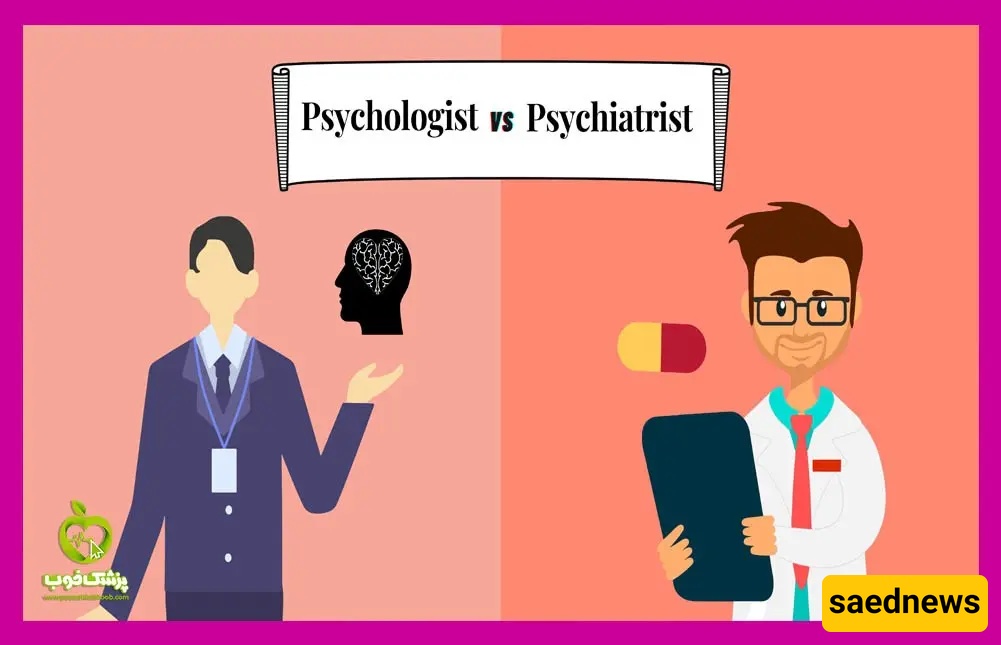
The main difference between a psychologist and a psychiatrist lies in their education and treatment methods. A psychiatrist is a medical doctor who can prescribe medication for mental disorders and focuses more on the biological and chemical aspects of the brain. In contrast, a psychologist is not a medical doctor (they hold a degree in psychology) and cannot prescribe medication. Instead, they help individuals address and resolve emotional and mental issues through talk therapy, counseling, and training in behavioral and cognitive skills.
Psychology is a scientific field that studies human behavior and mental processes using research-based methods. It examines topics such as thoughts, emotions, learning, and social interactions.
This discipline emerged when the study of the mind moved beyond purely philosophical frameworks and became a science based on systematic research.
A psychologist, as a specialist in this field, usually holds advanced degrees in psychology. Their main focus is understanding patterns of thinking and behavior and helping individuals modify them. Psychologists use interviews, psychological tests, and analytical methods to assess mental health problems and provide treatment through psychotherapy, counseling, and scientific techniques. A key feature of their work is exploring the root causes of psychological issues and creating long-term changes in thoughts and behavior.

A psychologist is not a medical doctor and typically holds a bachelor’s, master’s, or doctoral degree in psychology. They cannot prescribe medication and specialize in non-medical treatments such as:
Cognitive Behavioral Therapy (CBT)
Acceptance and Commitment Therapy (ACT)
Schema Therapy
Psychoanalytic therapies
Psychiatry is a branch of medicine focused on the diagnosis, treatment, and prevention of mental disorders. It is rooted in medical science and aims to study mental illnesses and treat them using medical approaches.
A psychiatrist is a medical doctor who, after completing general medical education and specialized psychiatric training, is qualified to evaluate the biological, neurological, and physical aspects of mental disorders.
One of the key characteristics of psychiatrists is their ability to prescribe medication. They may use medical treatments to control symptoms, especially in more severe or complex cases. They also consider physical and biological factors that may contribute to mental illness.

A psychiatrist is a medical doctor with specialized training in psychiatry. Because they are physicians, they can prescribe medications such as antidepressants, anti-anxiety drugs, stimulants (e.g., Ritalin), and antipsychotics.
They play a central role in treating more severe mental conditions such as:
Schizophrenia
Bipolar disorder
Severe depression
Severe panic attacks
Severe obsessive-compulsive disorder (OCD)
Both psychologists and psychiatrists work in the field of mental health and share the common goal of helping individuals overcome psychological challenges. Despite differences in training and treatment methods, they often complement each other, and collaboration between them can improve treatment outcomes.
Both professionals assess and treat psychological issues such as emotional, cognitive, and behavioral disorders. In psychology, this role is primarily carried out by clinical psychologists trained in diagnosis and intervention.
Both psychologists and psychiatrists must follow ethical standards, including confidentiality, respect for clients’ rights, professional responsibility, transparency in treatment, and avoiding non-professional relationships.
Both use standardized tools such as the DSM-5 diagnostic manual. Psychologists rely more on structured interviews and psychological testing, while psychiatrists also conduct medical evaluations.
Both groups undergo supervised clinical internships during their education to apply theoretical knowledge in real-world settings and develop professional skills for independent practice.

Psychiatrists often begin treatment with medication, especially when symptoms are severe. However, medication alone is usually not sufficient. It is most effective when combined with psychotherapy, which helps modify thinking patterns, regulate emotions, improve coping skills, and address underlying psychological causes.
Therefore, referral between psychiatrists and psychologists is not a sign of weakness but rather a professional and comprehensive treatment approach.
Psychiatrist = Medical doctor + medication + medical interventions
Psychologist = Talk therapy + behavioral and cognitive techniques