SAEDNEWS: The size of internal organs in each person depends on age, gender, height, and weight, and the size of internal organs in obese and thin people is not the same.
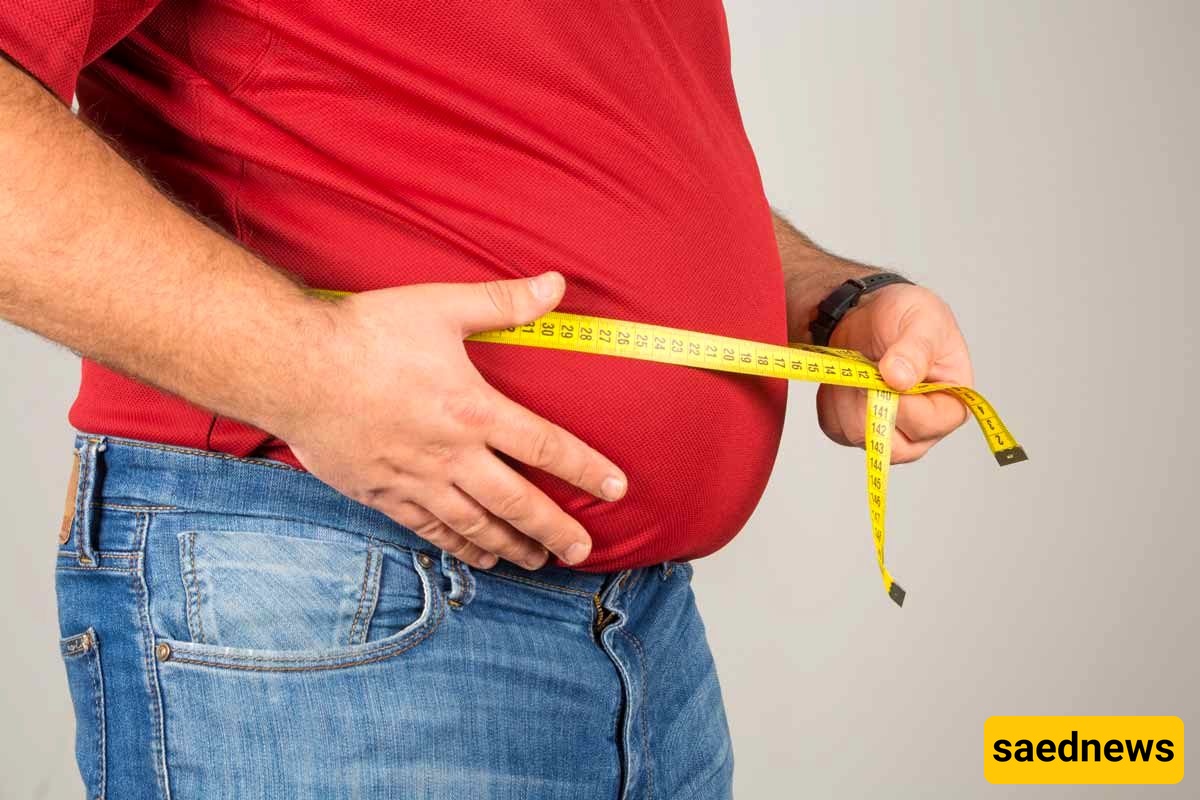
According to SAEDNEWS, You were probably told as a child that your clenched fist represents the size of your heart. You might have repeatedly made a fist to check for changes in your heart size, but do you think people who exercise and have larger hands therefore have larger hearts? In general, does body size affect the size of our internal organs? So if you are looking for the answer to this question, be sure to read the rest of this section.
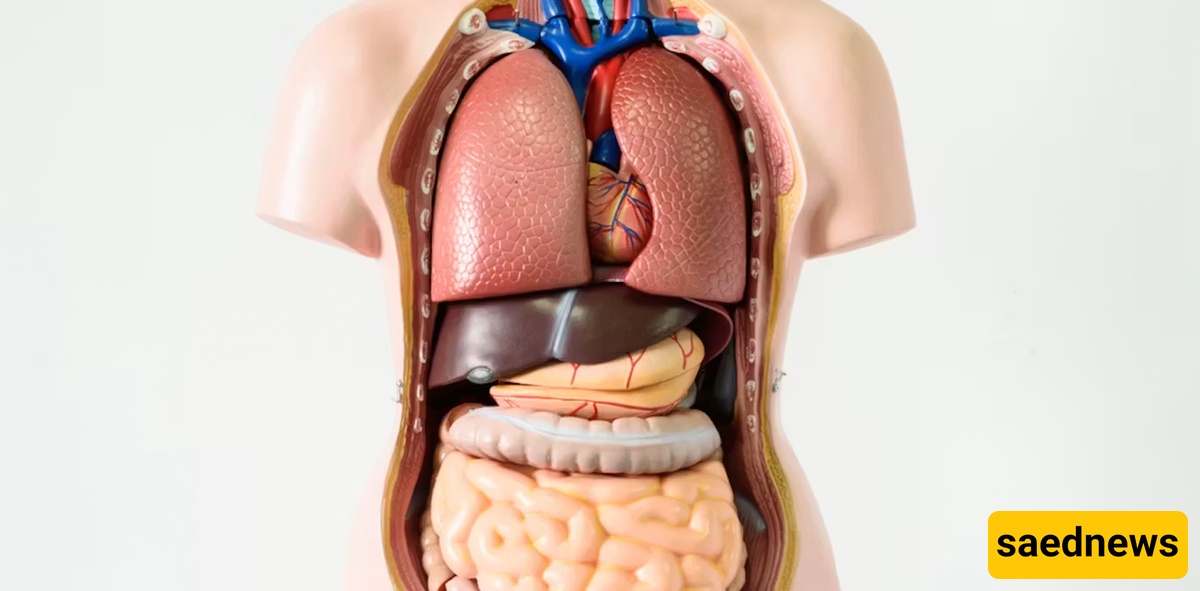
The size of each person’s body organs depends on the following factors: age, gender, height, and weight. Although we all have the same organs, the characteristics of each of these organs may be unique in every individual. A person’s weight is one of the determining factors in the size of body organs. Various studies have been conducted in this area to determine the relationship between body weight and other internal organs of the body.
The results of these studies show that organs such as the heart, liver, kidneys, lungs, and brain have a parallel relationship with increasing body weight. In other words, individuals with higher body weight tend to have larger sizes of these organs mentioned in the body.
In your opinion, if a person reaches adulthood but their internal organs are still the size of an infant’s organs, could they live a healthy life? Certainly not.
Many factors influence the growth of internal organs. The size of body organs responds to both external and internal factors and gradually develops over time until it reaches its appropriate size. As a result, with increasing age, the total number of body cells gradually increases.
In addition, the greater a person’s body mass, the larger their organs need to be in order to meet the body’s demands.
Studies show that the increase in organ size is linked to an increase in body weight. In other words, if the size and number of body cells increase, the organs also become larger. In addition, an increase in fat tissue mass in the body contributes to the enlargement of organs.
These individuals usually have a higher number of cells in the heart area, which leads to a larger heart. The same applies to the liver, endocrine glands, and pancreas.
Adipose tissue is a connective tissue made up of fat cells. It regulates the body’s total fat, is responsible for energy production and fat storage, and is usually also found in bone tissue.
When weight loss occurs, the size of body organs also changes. However, functional cells in a specific organ do not decrease, nor does the number of fat cells change. The only thing that changes is the size of fat cells, and the reduction in fat cell size leads to an overall decrease in organ size.
The reason some people quickly regain weight after losing it is that the number of fat cells does not change. Instead, their size decreases, but their ability to expand remains, as these fat cells tend to store more fat again as before. However, this varies from person to person, and no single theory applies to everyone.