SAEDNEWS: With the arrival of the warm season, many people turn to seasonal flowers to beautify their gardens, yards, or home terraces. However, gardening experts warn that some of these beautiful plants can multiply rapidly, take control of the garden away from homeowners, and increase the cost and effort required to maintain green spaces.
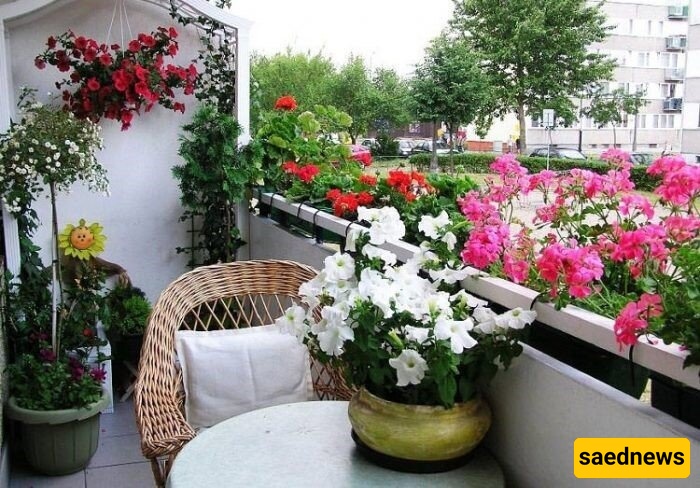
According to the SaedNews gardening and plant care service, as the weather gets warmer, the market for buying flowers and plants has become lively again, and many families are thinking about bringing life back to their home gardens and flower pots. In this context, choosing seasonal plants is not always easy. Some flowers may initially look beautiful, full of blooms, and easy to care for, but after a while they turn into plants that take over the entire garden space or require constant pruning and control.
The following report introduces several seasonal plants that many gardeners regret planting. Experts emphasize that understanding a plant’s growth behavior before buying it is just as important as its appearance.
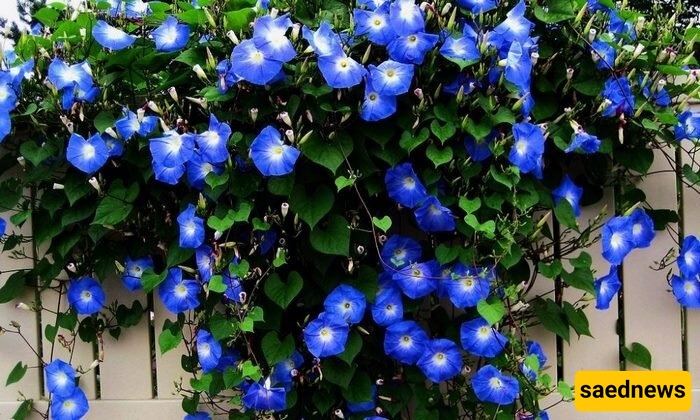
The trumpet-shaped, colorful flowers of morning glory have made it a popular choice for covering fences and walls. However, the problem begins when this vine grows rapidly and its seeds spread throughout the garden.
Experts say this plant can quickly take control of a garden, and completely removing it is not easy. Therefore, it is recommended to grow it in pots or controlled environments if one still wishes to plant it.
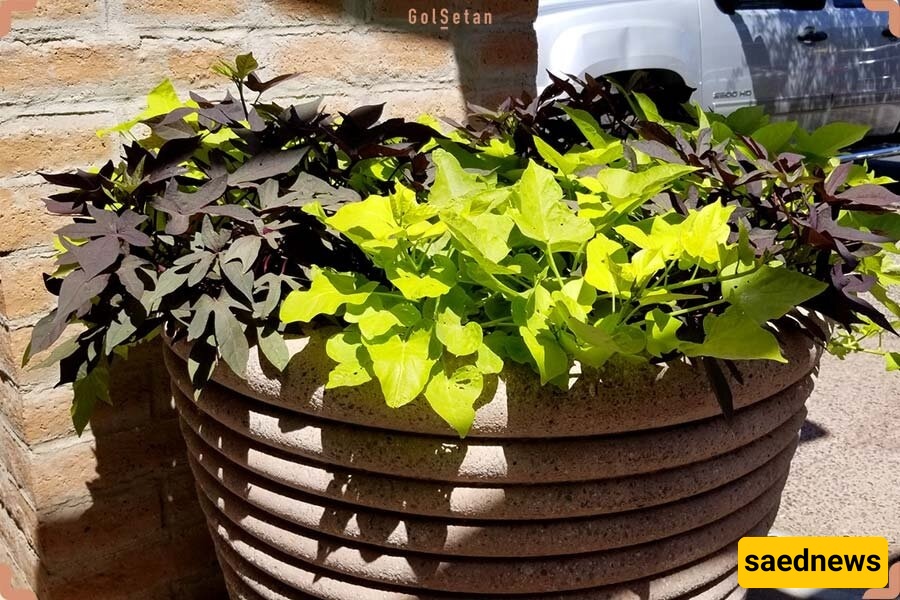
The purple and green leaves of this plant are very popular in landscape design, but its fast growth can become problematic. It spreads quickly and sometimes prevents other plants from growing properly. Gardening specialists recommend keeping it in pots or regularly pruning it to maintain control.
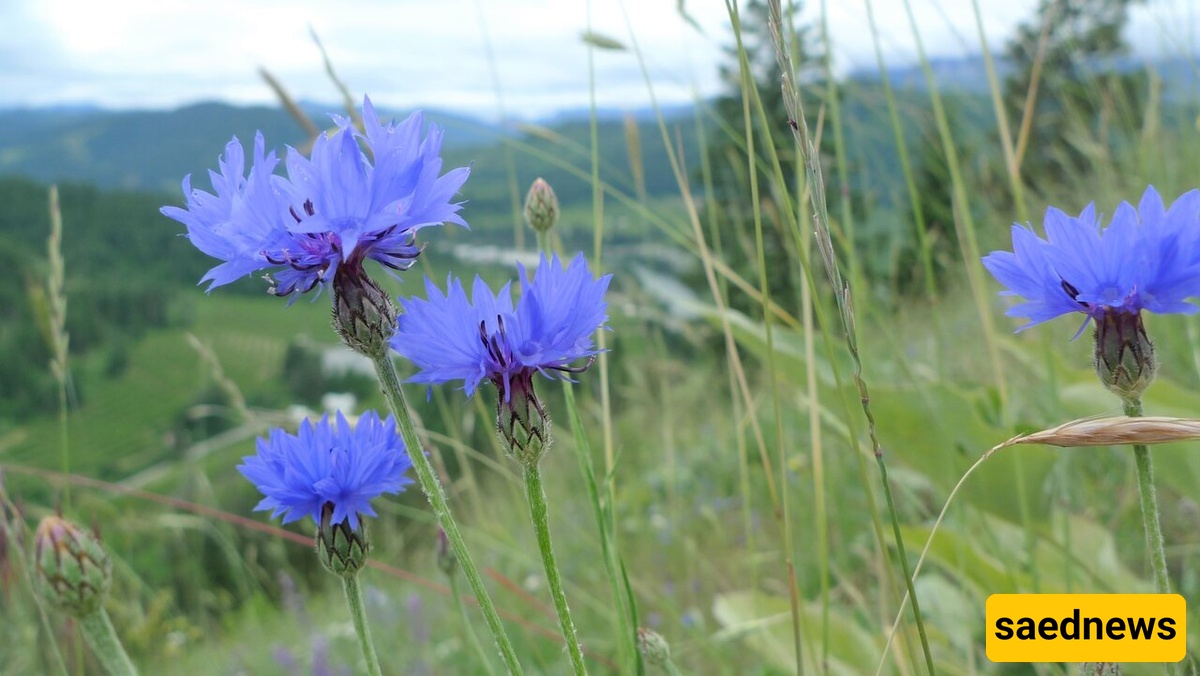
Cornflower, with its striking blue and purple blooms, makes gardens look beautiful. However, its abundant seeds spread quickly in the soil. Many gardeners find after a few seasons that it has spread across almost the entire garden and becomes difficult to remove.
Experts suggest removing dried flowers before they produce seeds to prevent excessive spreading.
This plant is popular for its unique appearance and its ability to attract pollinators, but it also produces a large number of seeds. Gardeners often end up facing many unwanted seedlings throughout the garden. Experts recommend regularly removing seed heads to control its spread.
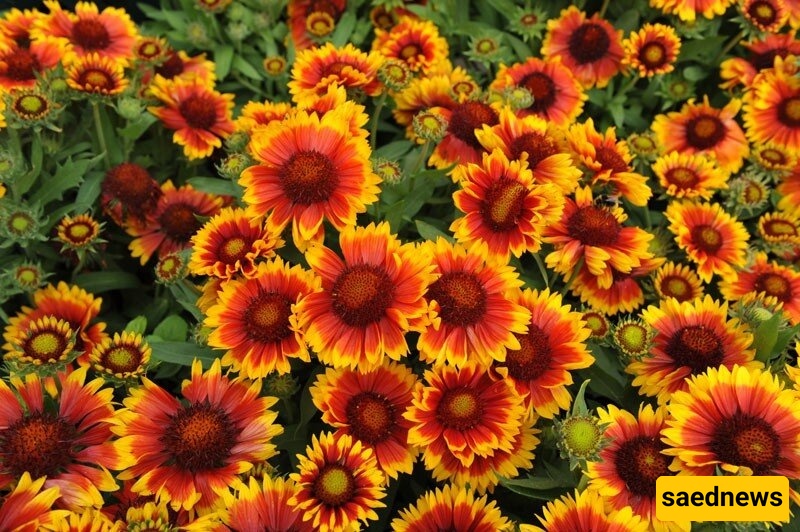
This plant is known for opening its flowers in the evening and producing a pleasant fragrance. However, its strong roots and abundant seeds allow it to reappear in the garden every year. Even if the main plant is removed, it may still regrow in the following seasons. Many gardeners report difficulty controlling it.
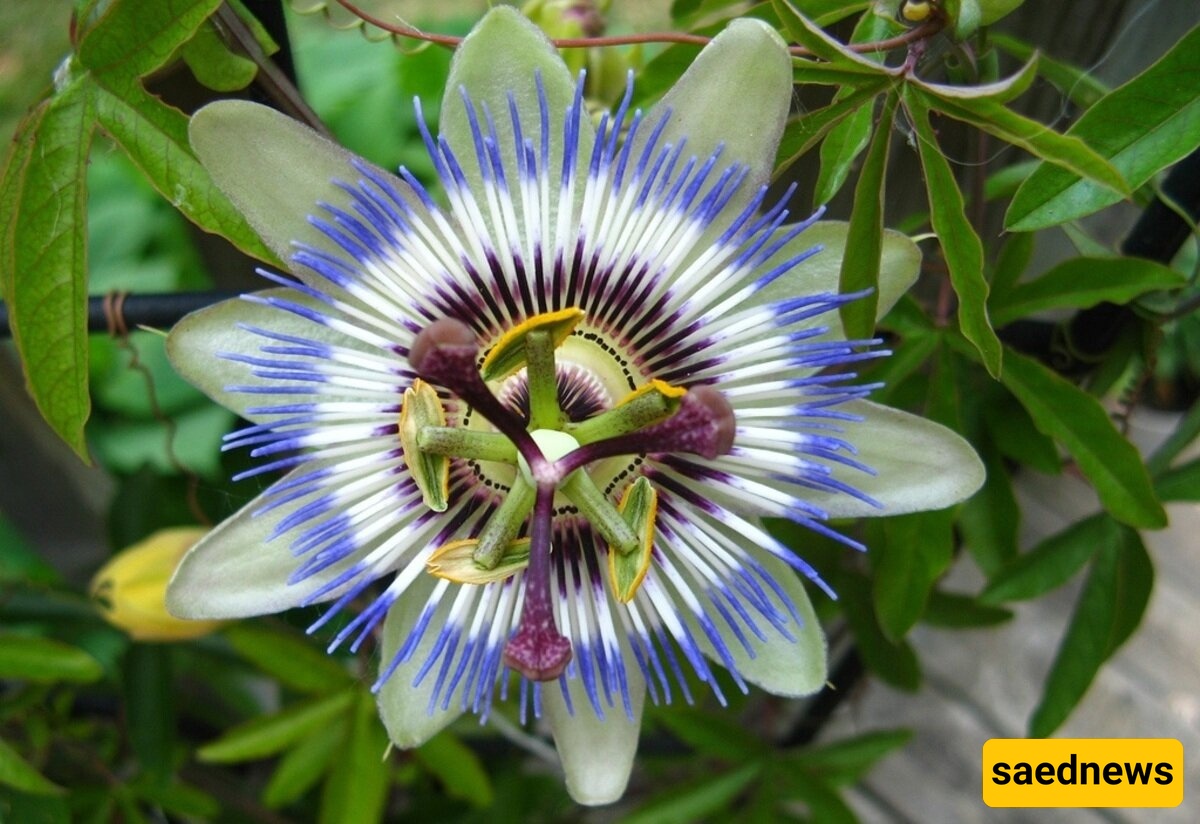
Lantana is popular due to its resistance to heat and drought, but in tropical and warm climates it can become invasive. It spreads rapidly and is very difficult to remove completely.
Experts warn that before planting it, local climate conditions should be considered, as in some regions it is even classified as an invasive species.
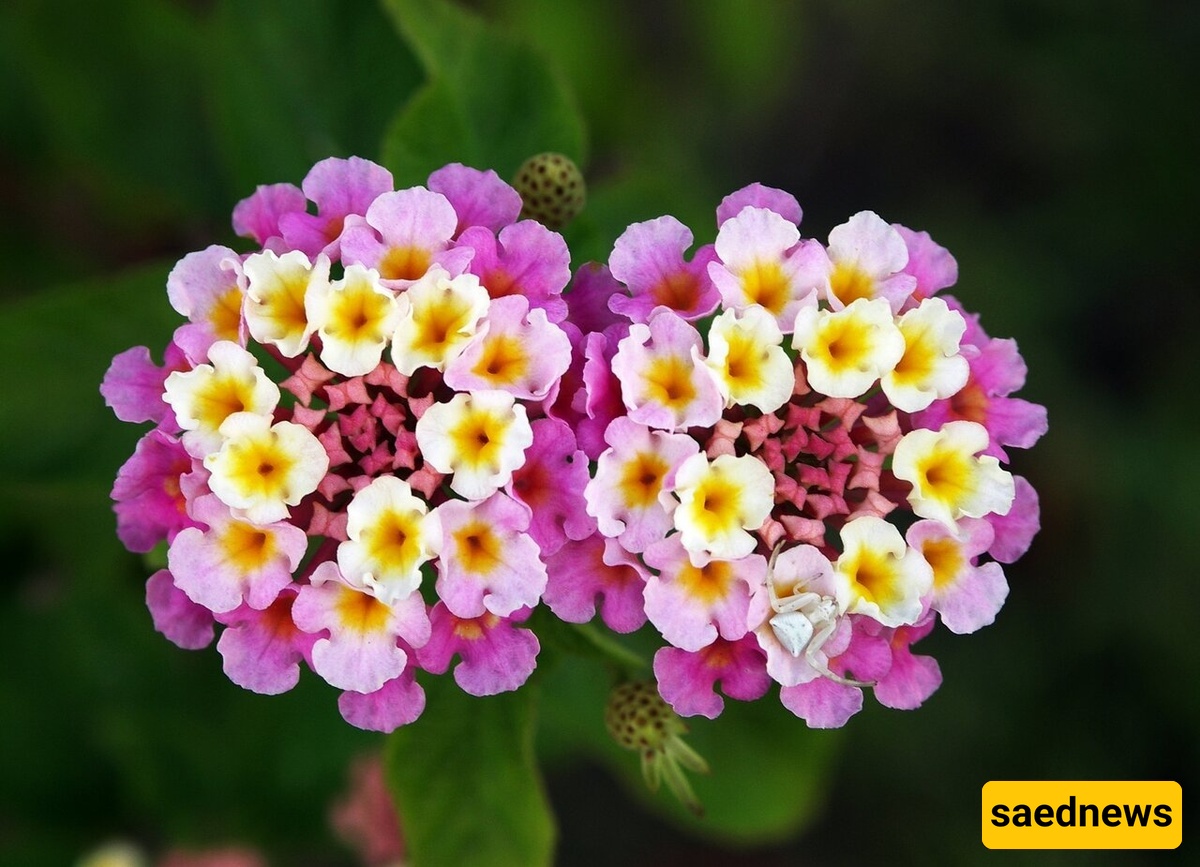
Horticulture experts say many people focus only on the beauty of flowers when purchasing them and rarely research growth behavior, spread potential, or maintenance needs. While some seasonal plants may seem inexpensive and attractive at first, they can later increase maintenance costs or even harm other plants.
Experts recommend checking climate conditions, soil type, sunlight levels, and growth speed before purchasing any plant. Using native and low-invasive plants is considered a more practical choice for home gardens.
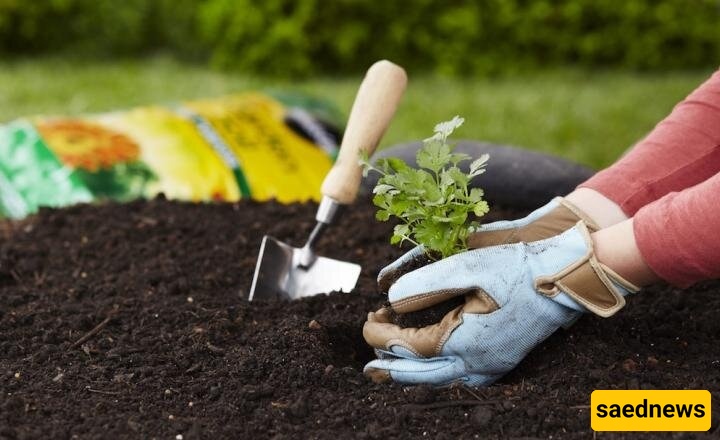
In addition to choosing the wrong plant, planting time is also important. Experts say many people plant seasonal flowers as soon as spring begins. However, sudden cold weather can destroy all their efforts.
Specialists recommend that for sensitive plants, nighttime temperatures should consistently be above 10°C and the soil should be fully warmed. Otherwise, there is a risk of root damage and growth failure.
In recent years, there has been a growing interest in low-cost and low-maintenance gardening. Many experts believe people today prefer plants that are not only beautiful but also require less pruning, watering, and constant care.
As a result, the use of native, perennial, and heat-resistant plants is increasingly recommended.