SAEDNEWS: French Lavender (Toothed Lavender) is a perennial, cold-resistant plant that produces fragrant purple flowers in spring and summer.
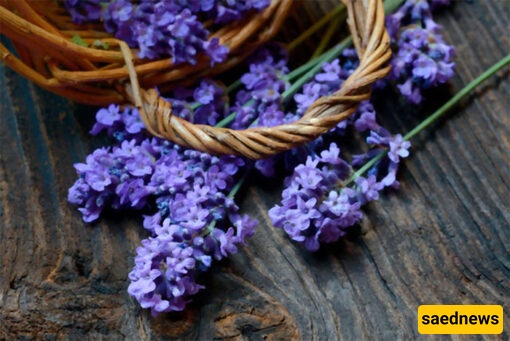
According to Saednews, French lavender (Lavandula dentata), also known as toothed lavender, is a species of lavender native to southern France and northern Italy. This perennial plant is known for its fragrant purple or lilac-colored flowers and green-gray leaves covered with fine hairs. In addition to its visual beauty, French lavender also has medicinal properties and many uses.
Compared to other lavender species, French lavender is more resistant to cold and can tolerate temperatures as low as -15°C. This plant requires full sunlight and well-drained soil, and it needs regular watering, especially during hot and dry periods. French lavender typically blooms in late spring and early summer, and its flowers last for about six weeks.
It has a thick brown stem with many branches at the top, which makes the plant appear dense and bushy. After a few years, its overall shape becomes hemispherical, with a diameter of 80–120 cm. The height of the stems varies and can reach 40–60 cm after a few years.
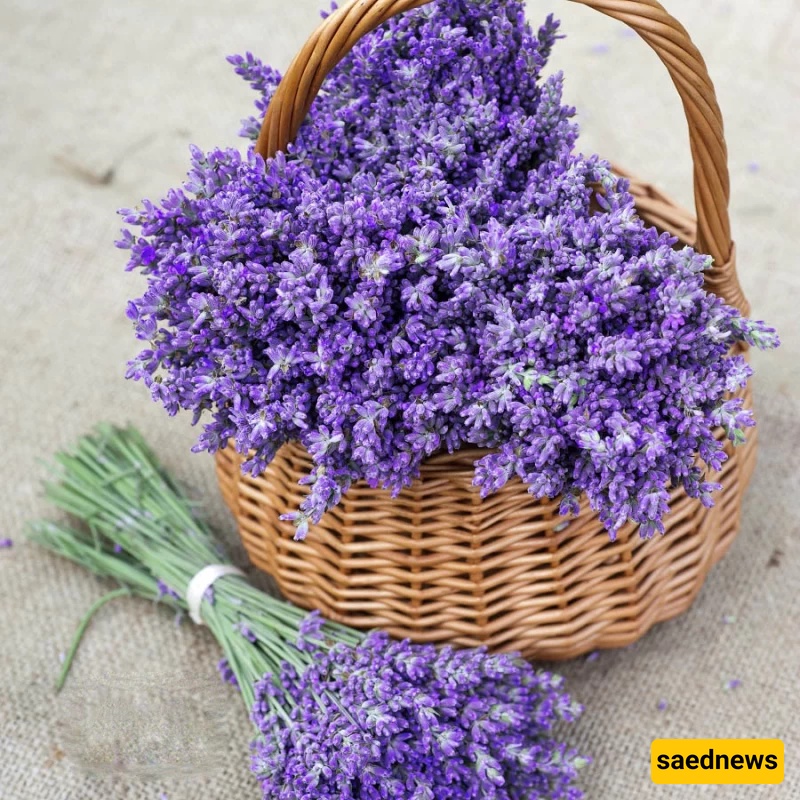
French lavender remains in the planting site for 15–20 years, so the soil must be thoroughly prepared in advance and enriched with the necessary nutrients.
Young French lavender is highly sensitive to herbicides, so it should only be planted in fields that have not previously required herbicide use. For example, corn is a suitable crop for rotation before lavender.
If herbicides have been used in agricultural land, the soil should be left fallow for 3 years to neutralize their effects. After the productive life of French lavender ends, the soil becomes depleted of nutrients, so crop rotation afterward should include plants that help restore and improve soil fertility.
French lavender is a resilient plant with fragrant flowers and medicinal properties.