SAEDNEWS: Senso-ji Temple, Tokyo: Discover the History and Must-See Attractions
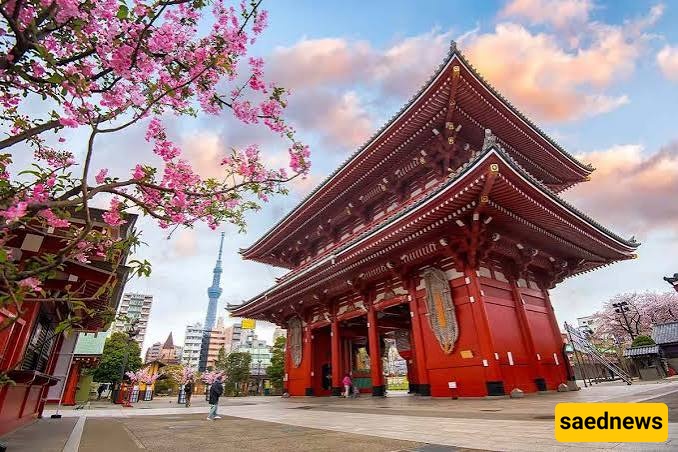
According to Saednews, Located in the heart of Tokyo's Asakusa district, Senso-ji Temple, also known as Asakusa Kannon Temple, is the city's oldest Buddhist temple and one of Japan's most iconic cultural landmarks. Welcoming around 20 million visitors each year, Senso-ji is Japan's most visited temple and one of the world's busiest spiritual destinations.
Dedicated to Kannon, the Buddhist Goddess of Mercy, the temple complex includes the magnificent Main Hall, a five-story pagoda, beautiful gardens, and the famous Nakamise Shopping Street, making it a must-visit attraction for travelers exploring Tokyo.
The history of Senso-ji dates back to 628 AD. According to legend, two fishermen discovered a golden statue of Kannon in the Sumida River. Although they repeatedly returned the statue to the water, it mysteriously floated back to them each time.
Believing this to be a divine sign, the village chief of Asakusa transformed his home into a small shrine to house the sacred statue and encourage local worship. The first temple building was completed in 645 AD.
During the early 17th century, Tokugawa Ieyasu designated Senso-ji as the Tokugawa family's official temple, giving it special protection and elevating its importance throughout Japan.
One of the temple's historic features is its Torii Gate, which serves as the entrance to the Nishinomiya Inari Shrine and was constructed in 1727.
Although much of the temple complex was destroyed during the air raids on Tokyo in World War II, Senso-ji was carefully rebuilt afterward. Today, it stands as a powerful symbol of peace, resilience, and Japan's postwar recovery.
Getting to Senso-ji is simple from most parts of Tokyo.
From Tokyo Station, the journey takes about 15 minutes by train.
Travelers can take the JR Yamanote Line to Kanda Station and transfer to the Tokyo Metro Ginza Line for Asakusa Station.
From Shinjuku Station, the trip takes approximately 20 minutes using the JR Chuo Line and the Ginza Line.
Once you arrive at Asakusa Station, the temple is only a five-minute walk away.
The temple complex itself is the highlight, featuring impressive historical architecture, sacred structures, and traditional shopping areas. Visitors can explore two monumental gates, a five-story pagoda, the Main Hall, several smaller shrines, peaceful gardens, and Tokyo's oldest shopping street.
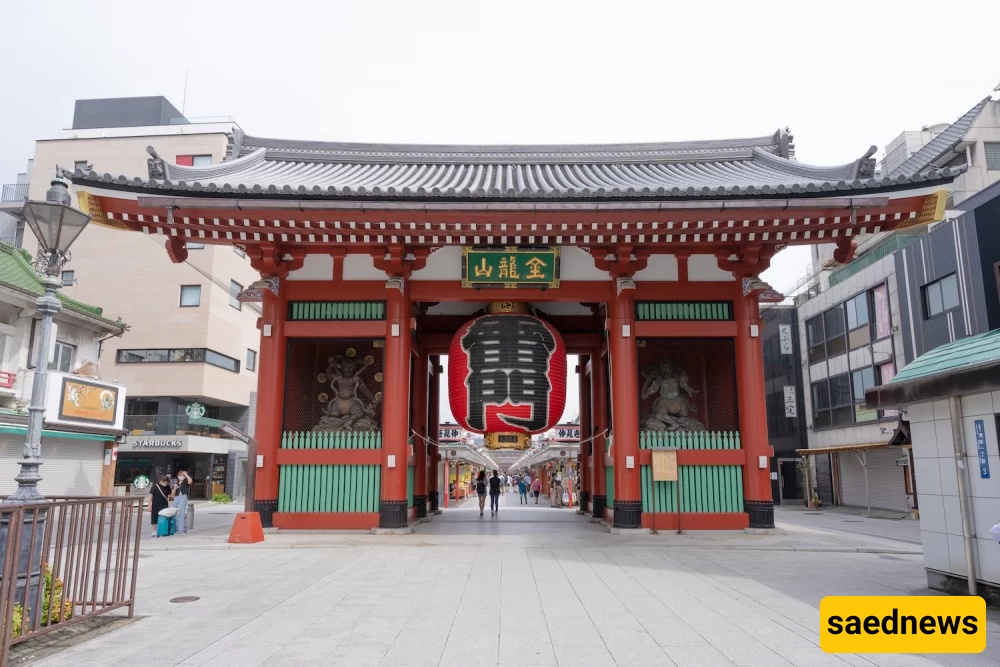
The Kaminarimon, or Thunder Gate, is the iconic entrance to Senso-ji and one of Tokyo's most photographed landmarks. It is famous for its enormous red paper lantern weighing approximately 700 kilograms, which visitors pass beneath when entering the temple grounds.
Standing on either side of the gate are statues of two Japanese deities:
Fujin, the God of Wind
Raijin, the God of Thunder
Beyond the gate lies Denboin Temple, which is generally closed to the public but occasionally opens for special exhibitions.
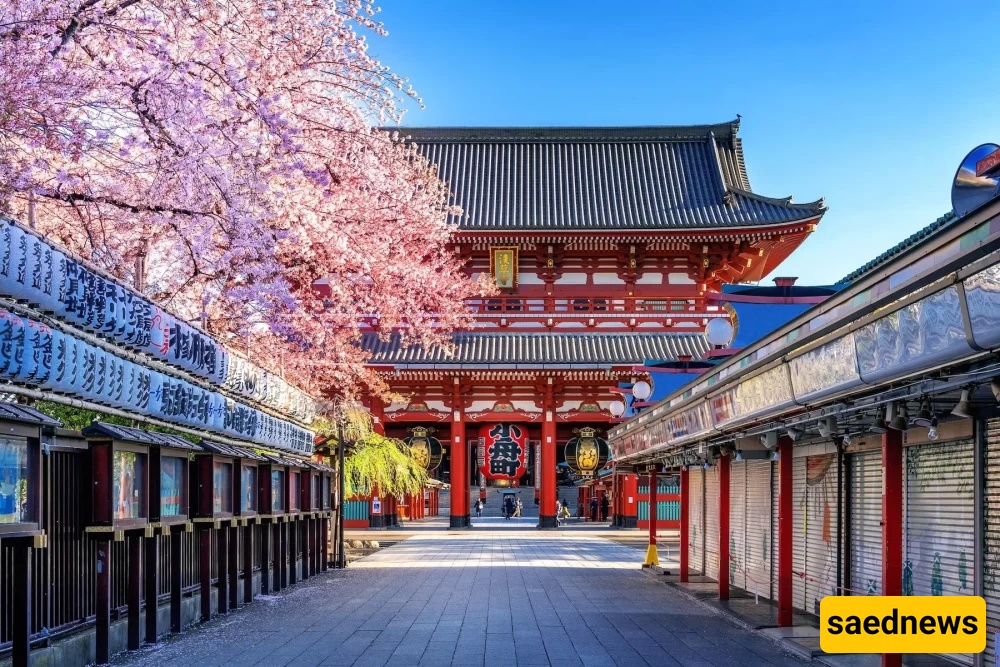
The Hozomon Gate serves as the main entrance to the inner temple grounds. Originally dating back to the 10th century, it has been reconstructed several times throughout history.
Like Kaminarimon, Hozomon is guarded by two imposing statues inspired by famous sumo wrestlers of the 1960s. Behind the right-hand statue, visitors can see a pair of enormous straw sandals weighing around 2.5 tons each, displayed as a tribute to the temple's guardian deities.
Just inside the gate stands the Jokoro Incense Burner, where visitors fan fragrant smoke toward themselves, believing it brings healing and good health.
The Main Hall is believed to house the sacred statue of Kannon discovered in the Sumida River centuries ago. According to tradition, the statue was considered so sacred and radiant that it was hidden beneath the temple, making it inaccessible to the public.
Even without viewing the statue itself, the hall remains the spiritual heart of Senso-ji and attracts worshippers from across Japan.
Adjacent to the Main Hall stands Senso-ji's elegant five-story pagoda, one of the temple's most recognizable landmarks. Although its interior is generally closed to visitors, it serves as a sacred memorial containing ancestral tablets and is opened only during special occasions.
Located beside the Main Hall, Asakusa Shrine offers a peaceful atmosphere and beautiful traditional architecture. From the temple grounds, visitors can also enjoy one of Tokyo's most popular photo opportunities—the striking contrast between the historic temple and the modern Tokyo Skytree rising across the Sumida River.
Stretching between Kaminarimon Gate and Hozomon Gate, Nakamise Shopping Street is one of Japan's oldest and most famous shopping streets, with a history dating back to the Edo period.
Lined with nearly 100 traditional shops, it offers an excellent selection of Japanese souvenirs, including:
Kimono and traditional clothing
Ukiyo-e artwork and crafts
Folding fans
Local sweets and rice crackers
Traditional Japanese snacks and gifts
The lively atmosphere makes Nakamise a perfect place to experience Japanese culture while shopping for authentic souvenirs.