SAEDNEWS: Apartment living has led to some of life’s pleasures being reduced or unintentionally removed from our lifestyle; one of these is gardening and growing flowers and plants. However, some vegetables and plants can easily be cultivated in pots placed beside bright windows.
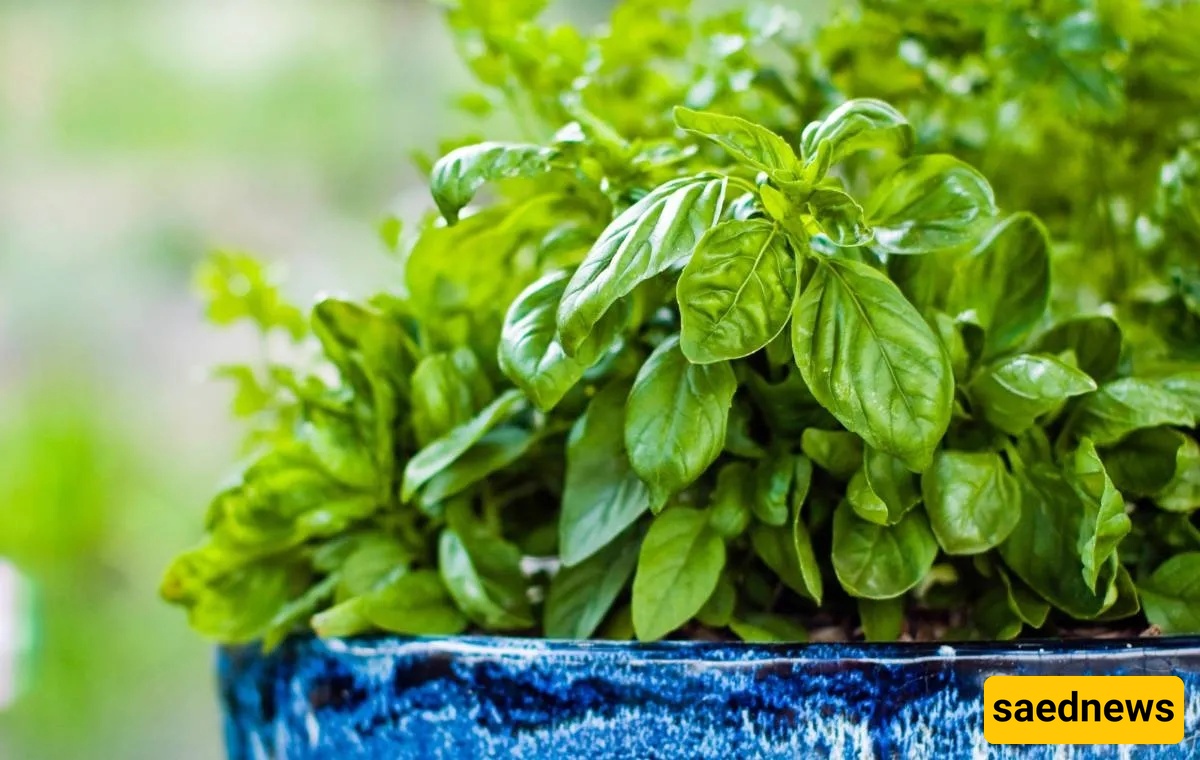
According to Saednews, If you are interested in trying gardening and growing plants, mint and basil are excellent choices to start with. If your windows receive plenty of light and warmth throughout the year, mint is especially a great option.
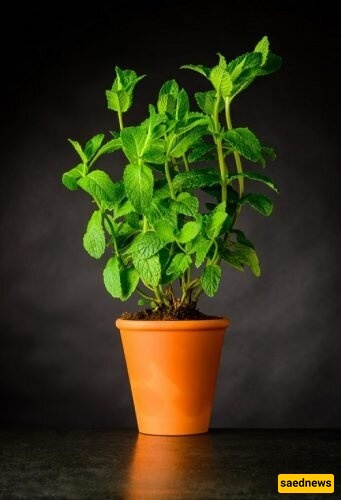
Instead of seeds, buy a mint seedling from a flower market or ask someone who already grows mint to give you a few cuttings. Mint does not germinate easily from seeds, and since you are a beginner, it is better to avoid them. Once you bring the stems home, plant them directly into potting soil or compost.
Cut about 1.3 cm above a node using clean, sharp scissors. The cutting should be at least 10 to 15 cm long.
Make sure the mint branch you choose is healthy and pest-free, as infected plants may not grow successfully.
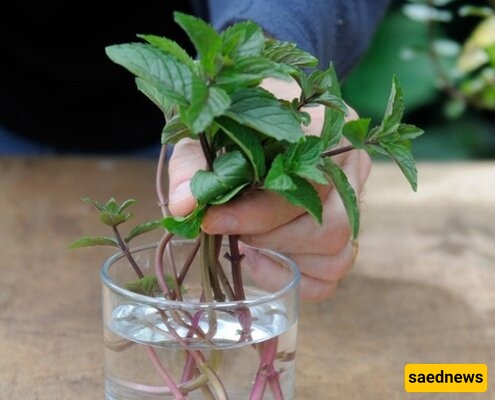
Put the freshly cut stems in a clean glass of water so they can develop roots. Keep the glass in a warm, sunny place and wait for roots to form. Add water as needed to keep the glass full.
Wait until the white roots grow a few centimeters long before planting. They may even reach the bottom of the glass.
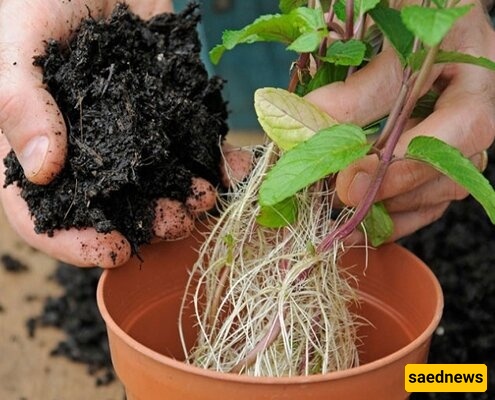
Use a pot at least 30.5 cm in diameter, as mint needs space to grow. Make sure the pot has drainage holes and use a saucer underneath.
Use sandy compost or nutrient-rich potting soil. Fill one-third of the pot, place the cutting inside, and gently cover the roots. Press soil lightly to remove air gaps.
Water thoroughly so moisture reaches the roots. Mint prefers consistently moist soil, so in summer you may need to water it several times a day.
Place the pot in a location facing east where it receives at least 6 hours of sunlight. In winter, low light may cause the plant to die.
Wait until the plant is well established before harvesting. Regular pruning encourages fuller growth and stronger flavor. You can also divide the plant occasionally and replant sections into new pots to prevent overcrowding.
Basil is one of the most widely used culinary herbs in the world. Fresh basil tastes much better than dried. It is also very easy to grow indoors. However, basil is an annual plant—it only lasts one year, but it produces a large number of leaves during that time.
Plant basil seeds in late winter or early spring. Basil prefers warm soil and air, so avoid planting during cold weather. If growing outdoors, you can start seeds indoors first to protect them from the cold.
Use a small pot about 8 cm in diameter with drainage holes. Proper drainage is essential to prevent overwatering.
Use light, sterile potting soil rather than garden soil. The soil should have a pH between 6.5 and 7. A mix containing peat moss, perlite, or coarse sand works well. Fill three-quarters of the pot with moist soil.
Gently water the pot until excess water drains from the bottom.
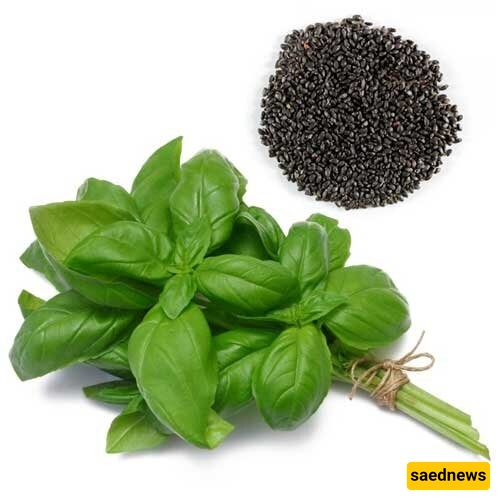
Scatter seeds on the soil surface, leaving about 2.5 cm of space between them. Cover lightly with soil or organic compost without pressing it down too hard.
Lightly spray the surface with room-temperature water to keep it evenly moist.
Seeds will sprout in 8 to 14 days. To speed up growth, you can create a mini greenhouse by covering the pot with a plastic bag, securing it with rubber bands, and making small holes for ventilation.
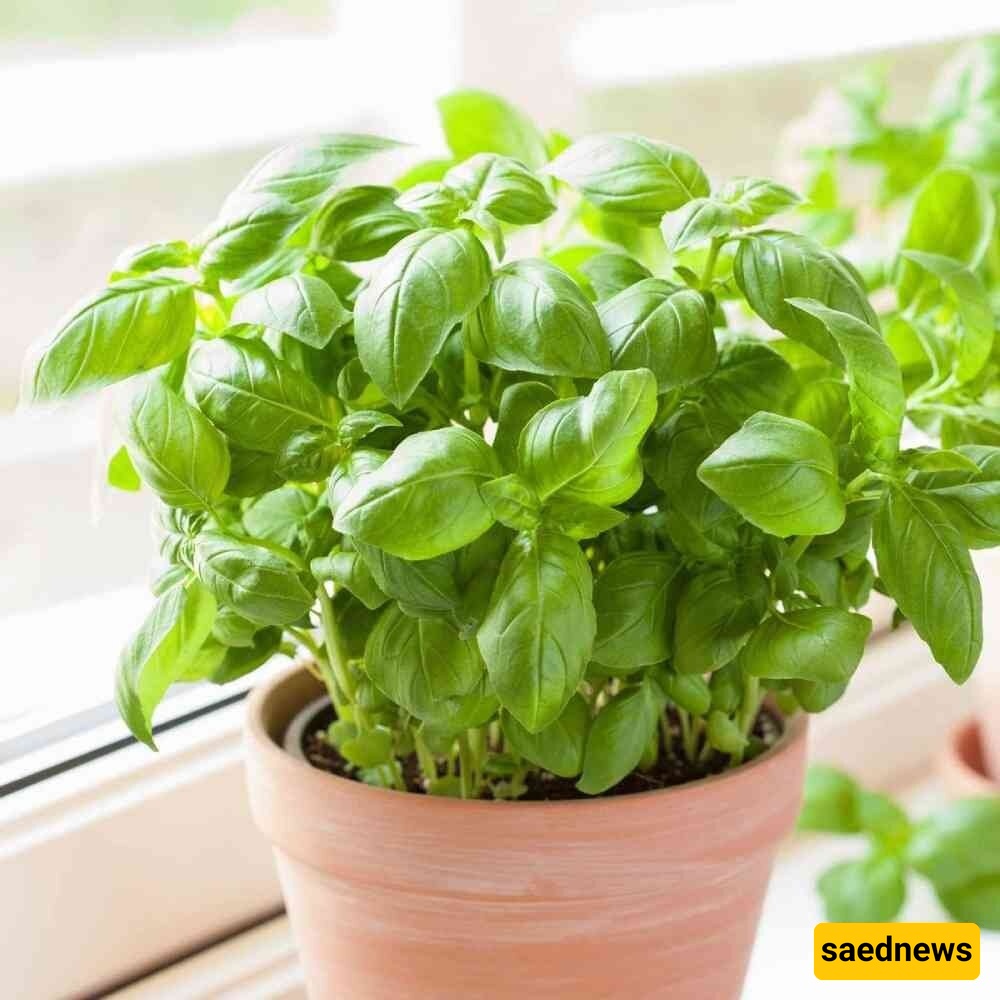
Place the pot in a sunny location where it receives at least 6 hours of sunlight per day. Keep it away from cold air or air conditioners, as basil grows best in warm conditions.
Conclusion
Growing mint and basil at home is simple and rewarding. With proper care, sunlight, and watering, you can enjoy fresh herbs right from your own pots.