SAEDNEWS: One of the sweet long pepper varieties that has very high productivity is the sweet pencil-shaped pepper. Under ideal conditions, its yield forms in clusters.
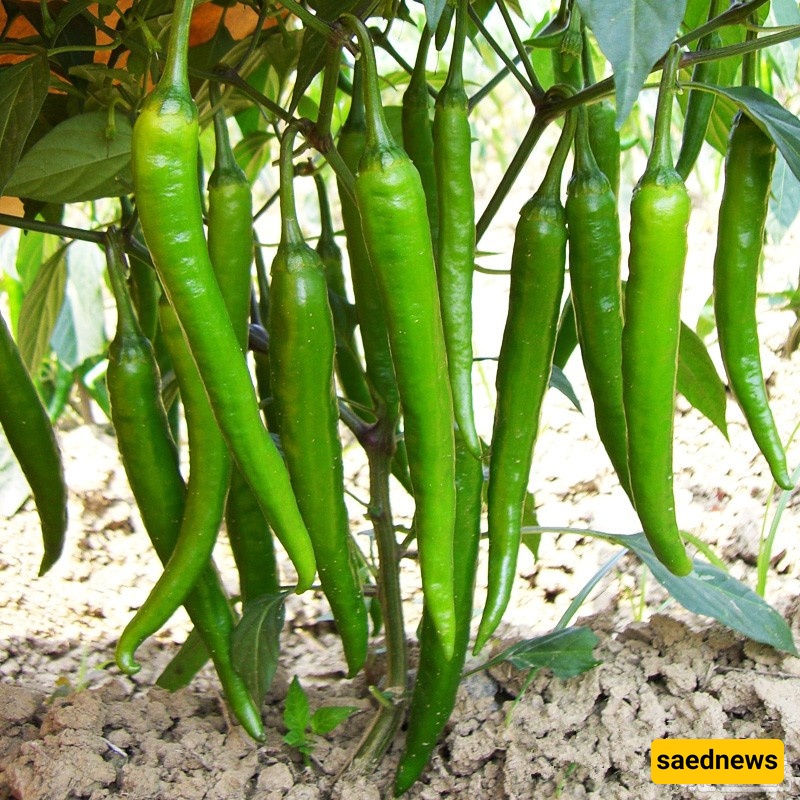
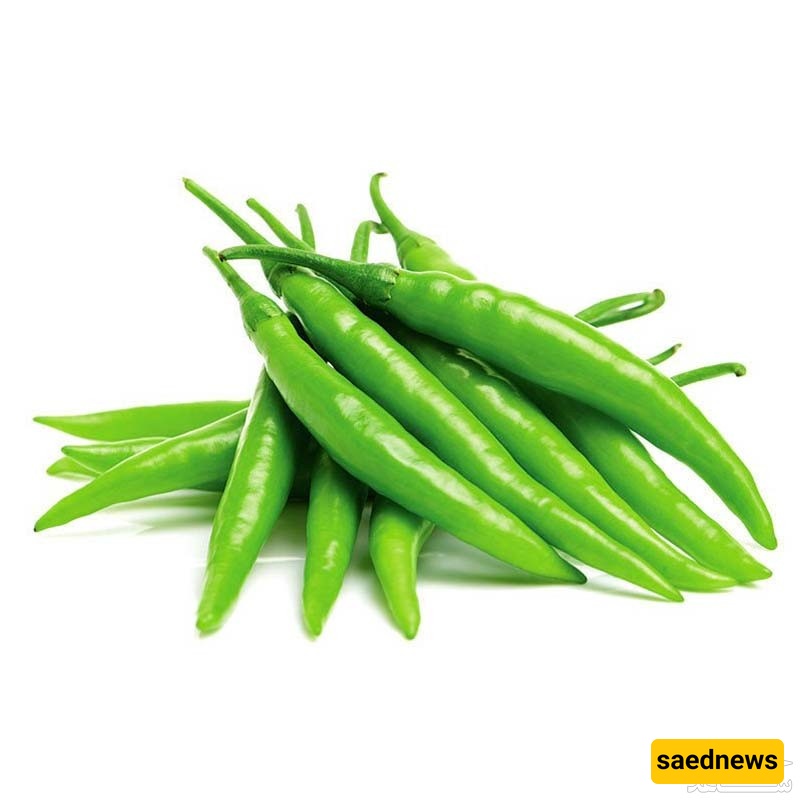
According to Saednews, The Green Sweet Cayenne pepper plant produces elongated, light green fruits with a sweet taste, making it suitable for fresh consumption.
Green cayenne peppers are initially green in color, but if left too long on the plant, they turn red and may develop a spicy flavor. Proper watering plays an important role in maintaining their sweet taste.
Green sweet cayenne pepper seeds begin producing yield about 75 to 80 days after planting and continue until the onset of cold weather. In colder seasons, if planted in pots, the plant can be moved to a warmer location so you can enjoy harvesting throughout the year.
These plants are relatively high-yielding and should be planted in full sun or partial shade. For pot cultivation, they must receive at least 6 to 7 hours of sunlight daily (such as behind a sunny window or on a balcony protected from cold).
It is recommended to use prepared potting soil for planting seeds. Peat moss or coco peat is ideal for seed germination.
After germination, seedlings can be transplanted into the main soil. The soil mixture should be nutrient-rich, such as leaf mold or animal manure combined with garden soil.
Growing green sweet cayenne pepper seeds is simple and can yield good results by following a few basic steps.
First, soak the seeds in lukewarm water for 3 to 10 hours. This softens the seed coat and speeds up germination. Normally, viable seeds will sink to the bottom of the container.
Seeds can be sown in pots, seed trays, or even disposable cups.
Choosing suitable soil is a key part of the process. Some garden soils are not suitable for seed starting and may prevent germination.
Ready-made potting mixes are a better option, reducing seed loss. Mixtures such as peat moss, coco peat with perlite, or compost are ideal for most seeds.
Fill the container with soil, make a small hole about 0.5 to 1 cm deep, place the seed inside, and cover it with soil.
Pepper seeds require a warm and humid environment to germinate. If planted before or early in spring, protect them from cold temperatures.
Place the container in a warm location (around 30°C is suitable) and water it well using a spray bottle to keep the soil fully moist.
Before germination, the soil surface must not be allowed to dry out. Even if placed in direct sunlight, careful attention is needed because shallow-planted seeds can dry out quickly and die.
When seedlings develop at least four leaves, it is time for transplanting. For pots, each plant can be moved to a pot of at least 10 cm diameter, or multiple plants can be grown in larger containers with 5–10 cm spacing.
The soil must be rich. For garden planting, you can mix decomposed animal manure or leaf compost into the soil.
For indoor pot cultivation, it is better to use clean potting mixes such as compost to avoid pests and soil-borne diseases.
Dig small holes in the pot, carefully remove the seedling with its surrounding soil, and plant it in the hole. It is better to bury part of the stem in the soil as well. Then gently press the soil around the plant.
Water thoroughly and place the pot in a warm, bright environment (21–30°C) and wait for growth.
If keeping the plant indoors, ensure it receives sufficient light. A south-facing window with at least 8 hours of light per day is ideal. If this is not possible, artificial fluorescent lighting can be used, placed about 8–10 cm from the plant. Generally, peppers can receive about 15 hours of artificial light per day.
Watering should be done every few days when the soil surface becomes dry. Overwatering may cause flowers to drop and damage the plant.
Pepper flowers are naturally pollinated outdoors, but if kept indoors or on a balcony, manual pollination may be necessary.
For pollination, you can use a small brush or cotton swab. Gently transfer pollen from the male flower parts to the female stigma.
After pollination, flowers gradually turn into peppers. Allow them to fully mature before harvesting, then cut them carefully using scissors or a knife.
Peppers, like tomatoes and eggplants, are warm-season vegetables and are highly sensitive to cold. Their needs are similar to those crops, but they tolerate drought better, which can sometimes make certain varieties spicier.
Seeds are first sown in a nursery bed. Planting depth should be about 0.5 cm. The soil should be light and well-draining to allow proper germination.
The optimal temperature for germination is 27–32°C, at which seeds sprout within 7–8 days.
At lower temperatures, germination rates decrease. Once the weather stabilizes and frost risk has passed, and seedlings are 7–8 weeks old and 12–18 cm tall, they can be transplanted into the main field.
For large-scale cultivation, seeds are first grown in nursery beds and then transplanted.
For pot cultivation, use a mixture of leaf compost, animal manure, and garden soil. If growing indoors, it is better to use sterile potting mixes such as compost to avoid pests.
Make small holes in the pot, transfer seedlings with their root soil intact, and plant them. Gently press the soil and water well. Place in a warm, bright area (21–30°C).
First soak seeds in lukewarm water for 3 to 10 hours to soften the seed coat and speed germination.
Seeds should sink naturally after soaking. They can then be planted in pots, trays, or disposable cups for germination.
Choosing the right soil is essential, as unsuitable garden soil may prevent germination. Ready-made soil mixes such as peat moss, coco peat with perlite, or compost are recommended.
Fill the container with soil, plant seeds at a depth of 0.5–1 cm, and cover lightly.
Growing and harvesting conditions are generally similar across pepper varieties, but growth duration varies by type. The variety influences whether the pepper is hot or sweet. Typically, flowering begins about two months after planting, and fruiting occurs about one month after flowering.