SAEDNEWS: Would you prefer telepathy or flight? I know you would! While such genetic changes are still impossible for humans, other genetic variations can create striking and unique appearances. Let’s explore some rare traits found in certain people.
Saed News reports, citing Bartarinha: Have you ever wished you could read minds or fly? I know you probably have! Well, telepathy might not be so great after all—but flying would definitely be amazing. In reality, mutations like these are still impossible for humans. However, there are other types of genetic variations that can make people look extraordinary and visually striking. Stay with us as we explore some rare and unique traits that appear in certain humans.
We are used to seeing people with the same eye color in both eyes, so when each eye has a different color, it immediately draws attention. Scientists call this condition heterochromia, and it comes in three types:
Complete heterochromia: each eye is a different color
Sectoral heterochromia: part of one iris has a different color
Central heterochromia: the pupil area has a different color from the outer iris
These variations can appear beautifully mixed in real life. Heterochromia can be inherited (especially if one parent has it) or caused by illness or injury. In inherited cases, it is harmless and simply a unique feature.

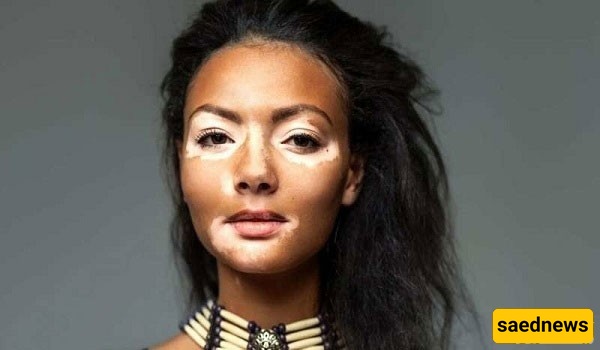
Vitiligo is a condition in which skin, hair, and even nails lose pigment because the body does not produce enough melanin. Scientists are still unsure about its exact causes, though it may be related to autoimmune issues or genetics.
It usually appears between ages 10 and 30, but can sometimes develop after sudden events like sunburn or emotional stress. There is currently no definitive cure, but treatments may help slow its spread. About 2% of the world’s population is estimated to have vitiligo.
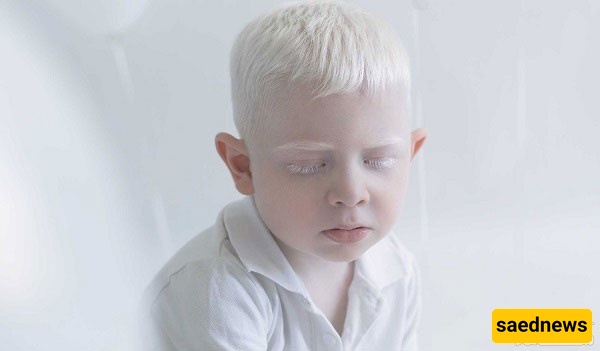
Albinism is a genetic disorder that results in very low or no pigment in the skin, hair, and eyes. It is caused by defects in genes responsible for melanin production or distribution.
People with albinism often face serious health issues such as vision problems and sensitivity to sunlight. They must take extra care when exposed to the sun due to their lack of natural protection.
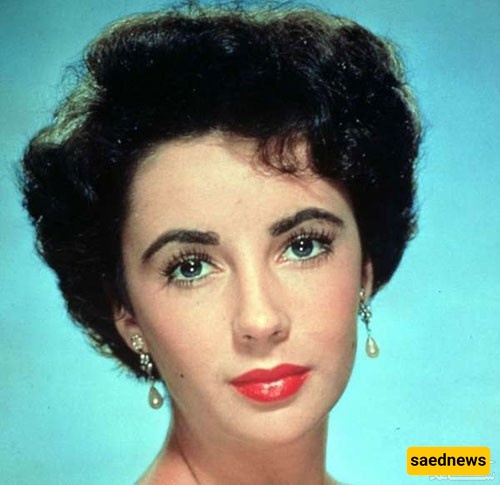
Thick, beautiful eyelashes are a dream for many people—and some achieve them through a genetic mutation called distichiasis, which creates a second row of eyelashes. It is linked to mutations in the FOXC2 gene.
Although it may seem harmless or even attractive, it can sometimes indicate serious heart-related conditions. Extra eyelashes may also grow inward and cause eye irritation or pain, requiring surgical or laser removal. Actress Elizabeth Taylor was famously believed to have this trait.
A chin dimple is often seen as a sign of strong personality, but it is actually a genetic trait caused by incomplete fusion of jaw muscles or bones during fetal development.
It can be inherited, but not always passed on to children due to other genetic and environmental factors.

People with Waardenburg syndrome often have very light blue eyes and may develop white patches on the skin or hair. This genetic condition can also be associated with hearing loss.
It affects melanocytes, the cells responsible for pigmentation in hair, skin, eyes, and also parts of the inner ear. It is usually inherited but can also occur spontaneously.
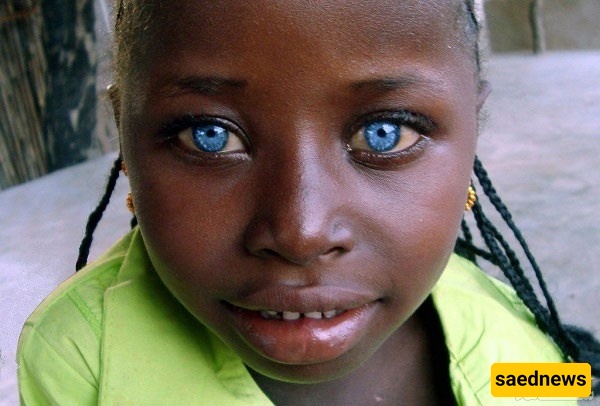
Although unusual, fraternal twins can look very different from each other—even in skin tone. This happens when each twin inherits different combinations of parental genes, especially in mixed-heritage families.
One twin may inherit lighter skin genes while the other inherits darker pigmentation traits.

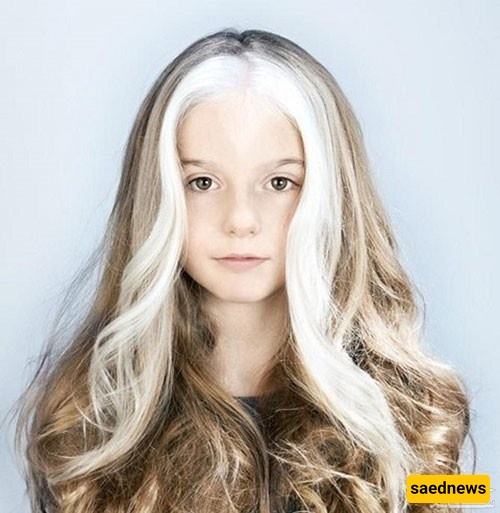
About 90% of individuals with piebaldism have a white forelock (a patch of white hair near the front of the head) as the main sign. This feature is usually present from birth.
Other body areas such as eyebrows, arms, legs, and eyelashes may also be affected. It results from the absence of melanocyte-producing cells in certain areas of the skin.
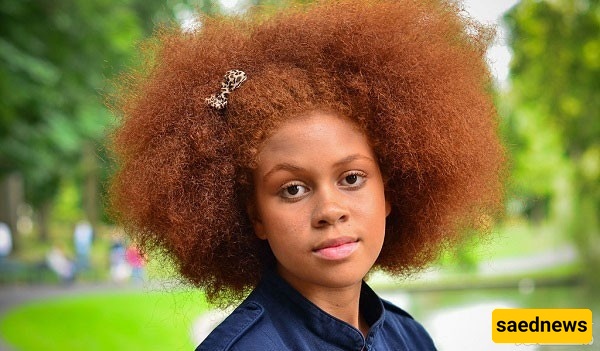
Some individuals of African or Asian descent may have red hair, freckles, or even blue eyes due to specific mutations involving albinism-related genes combined with the MC1R gene.
This form of albinism affects only the eyes, reducing pigment in the iris and sometimes the retina. It is more commonly seen in males.
People with ocular albinism often experience light sensitivity and may need protective glasses or lenses. In childhood, they may also show involuntary eye movements, which often improve with age.
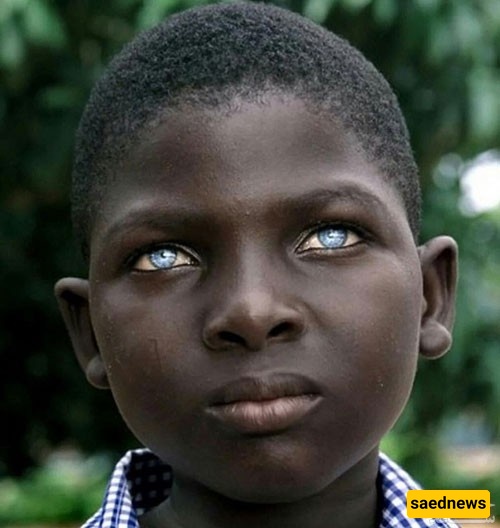
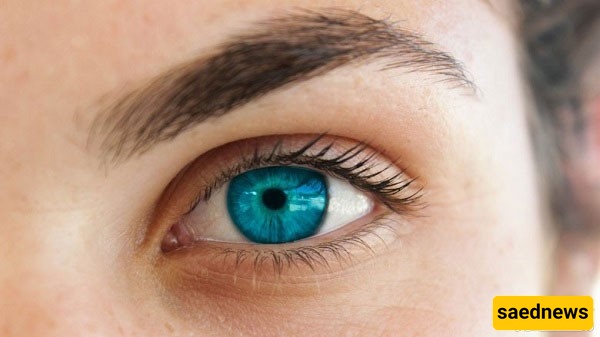
Blue eyes are not just common—they are still the result of a genetic mutation that occurred around 10,000 years ago. Originally, all humans had brown eyes due to high melanin levels.
A mutation near the OCA2 gene reduced melanin production in the iris, leading to the appearance of blue eyes when no pigment is present.
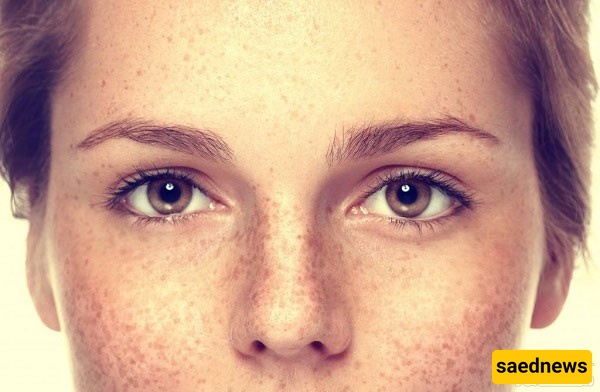
Freckles are also linked to the MC1R gene, which regulates melanin production. However, they do not appear without sun exposure.
When exposed to sunlight, the body increases melanin production for protection. In some people, this pigment clusters unevenly, forming freckles rather than an even tan.
These traits show just how diverse and fascinating human genetics can be—small changes in DNA can create remarkable differences in appearance and biology.