SAEDNEWS: As the weather gets warmer, plants require more care to prevent them from becoming stressed or damaged. If you want your potted plants to stay fresh and healthy during the summer heat, you should follow a few important care tips.
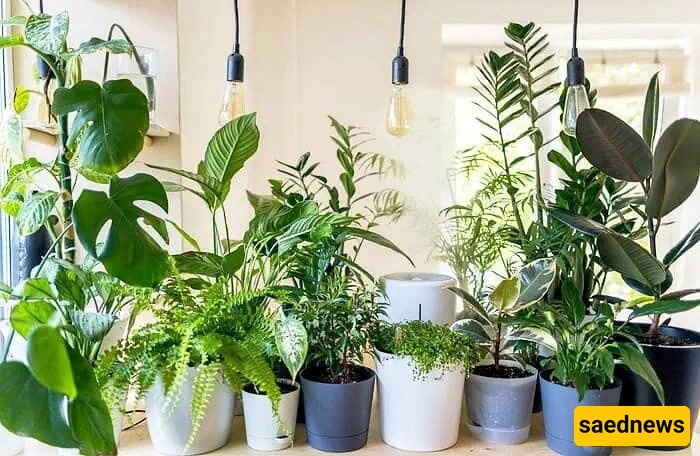
Saed News Family Magazine Reports: With the arrival of summer and rising temperatures, plants require extra care to prevent damage during this season. If you want your flowers and houseplants to stay healthy and vibrant in summer, review the following key guidelines for proper plant care in hot weather.
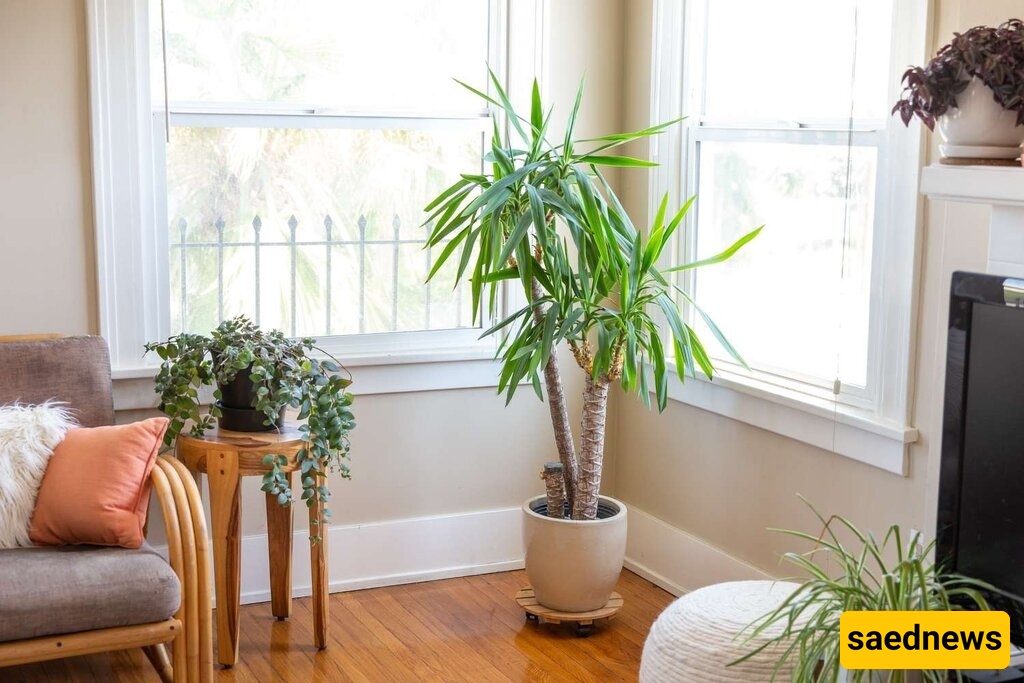
During hot seasons, sunlight becomes stronger and more intense. It is better to move plants away from windows that receive harsh direct sun or use curtains to reduce the intensity, preventing heat stress on the plants.
To provide adequate humidity in warm weather, you can use methods such as misting water during cooler hours, creating a “humidity tray” (a tray filled with pebbles and water placed under the pot), or using a cool mist humidifier.
Another simple method is grouping plants together and placing a container of water among them to increase ambient moisture.
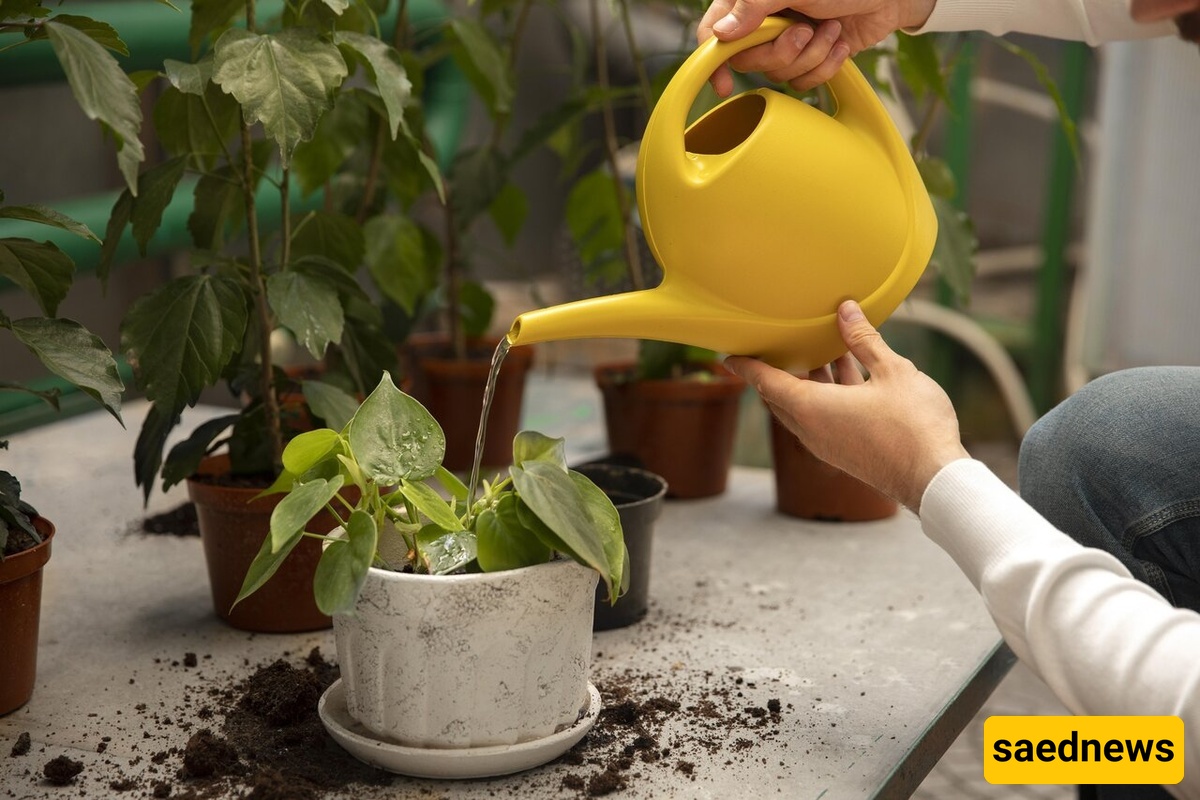
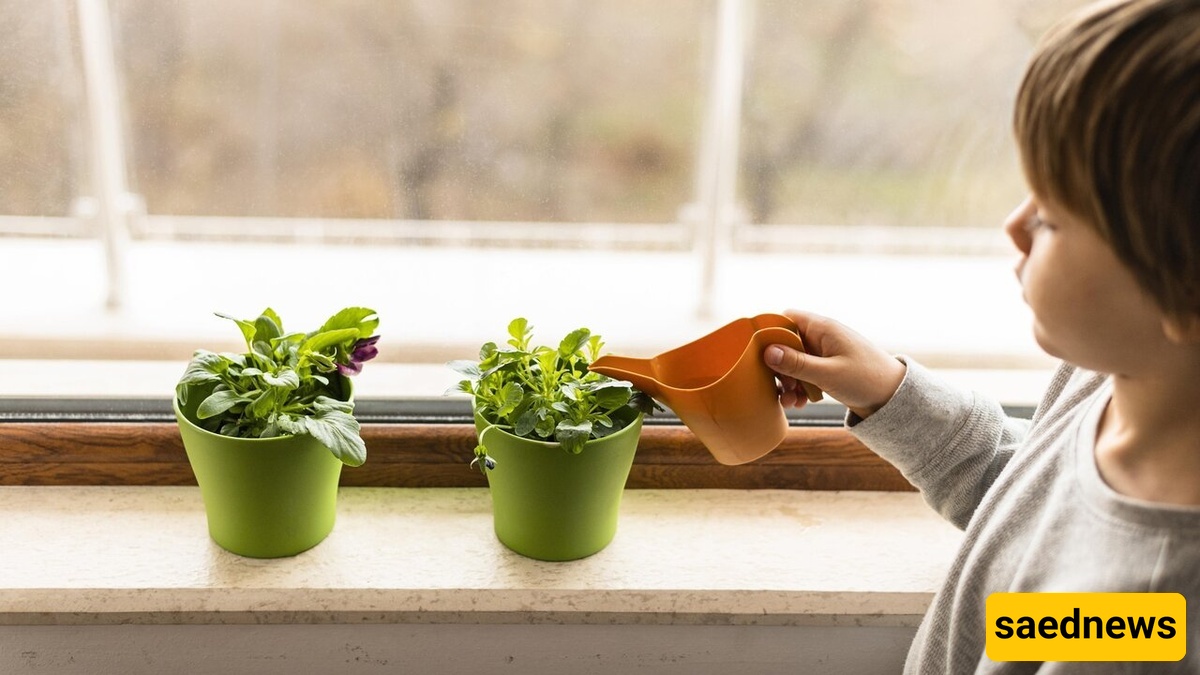
In summer, avoid watering plants during the hottest hours or under direct sunlight. The best time for watering is early morning when temperatures are cooler. Light misting can also be done in the early morning or at sunset.
Watering at night is not recommended because reduced water absorption by the roots may cause water to remain around them, which can eventually lead to root rot and fungal diseases.
Use purified water for irrigation, or if using tap water, let it sit for a while so chlorine can settle. Use lukewarm water rather than cold water. Avoid pouring water directly onto the main stem, and always empty excess water from the saucer under the pot after watering.
At the beginning of the hot season, you can help plants become more resistant to environmental stress by using anti-stress supplements such as amino acids and high-potassium fertilizers.
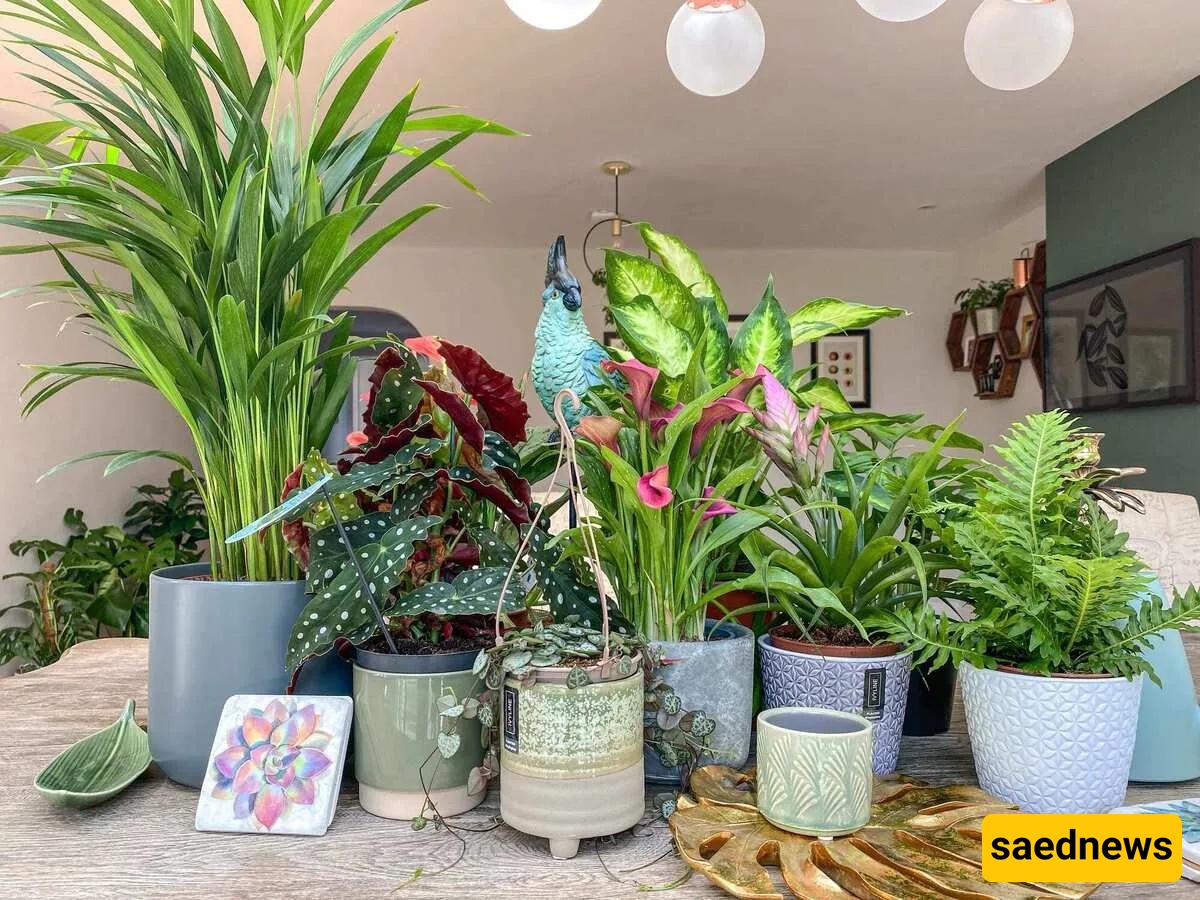
Do not place plants directly in front of air conditioners. Strong direct airflow from both cooling and evaporative air systems can seriously damage or even kill plants.
In summer, cuttings and repotting should be done during cooler hours or in a cool indoor environment to minimize plant stress.
Prolonged exposure to direct sunlight and lack of water can cause heat stress. If a plant becomes wilted, first move it to a cooler place. Then immerse the pot up to half its height in water for about 20 minutes, and afterward create a humidity tray around it.
Each plant has an ideal temperature range for optimal growth, but generally, 12–20°C is suitable for most houseplants.
Spring and summer are suitable seasons for fertilizing plants. However, feeding once a month according to product instructions is enough. Excess fertilizer can damage or even kill the plant.
Pruning helps plants become fuller and encourages side branches. However, in summer, pruning should be light and never done under direct sunlight or during hot hours.