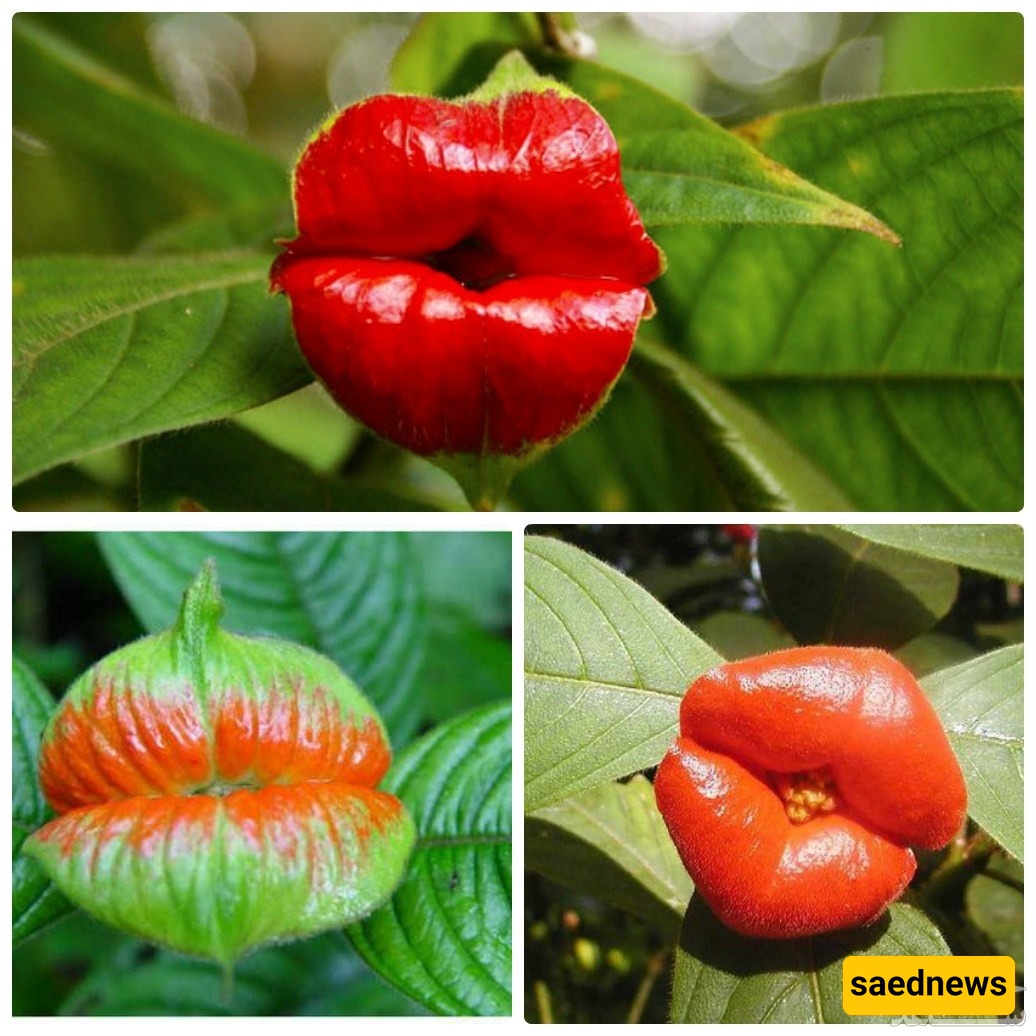
SAEDNEWS: Psychotria elata, known as the “Hot Lips” plant, grows in tropical rainforests of the Americas, including Costa Rica and Colombia. Its bright red bracts resemble human lips, making it a striking and well-known rainforest plant.
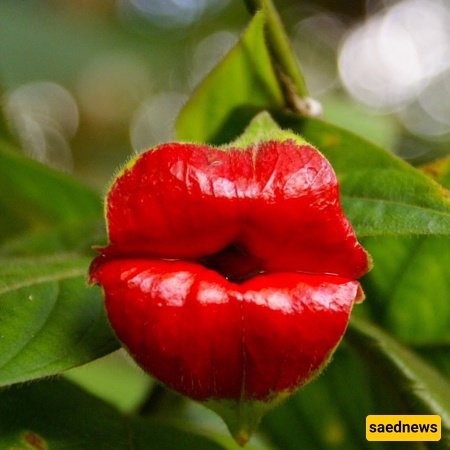
According to Saednews, The unusual lip-shaped structure of this plant may look like the result of photo editing software, but it is completely natural. The “Hot Lips” plant is a unique and extraordinary species with rather inconspicuous flowers, but with striking, almost legendary-looking bracts. In other words, if you ever want to “kiss Mother Nature,” you might just be looking for this remarkable plant.
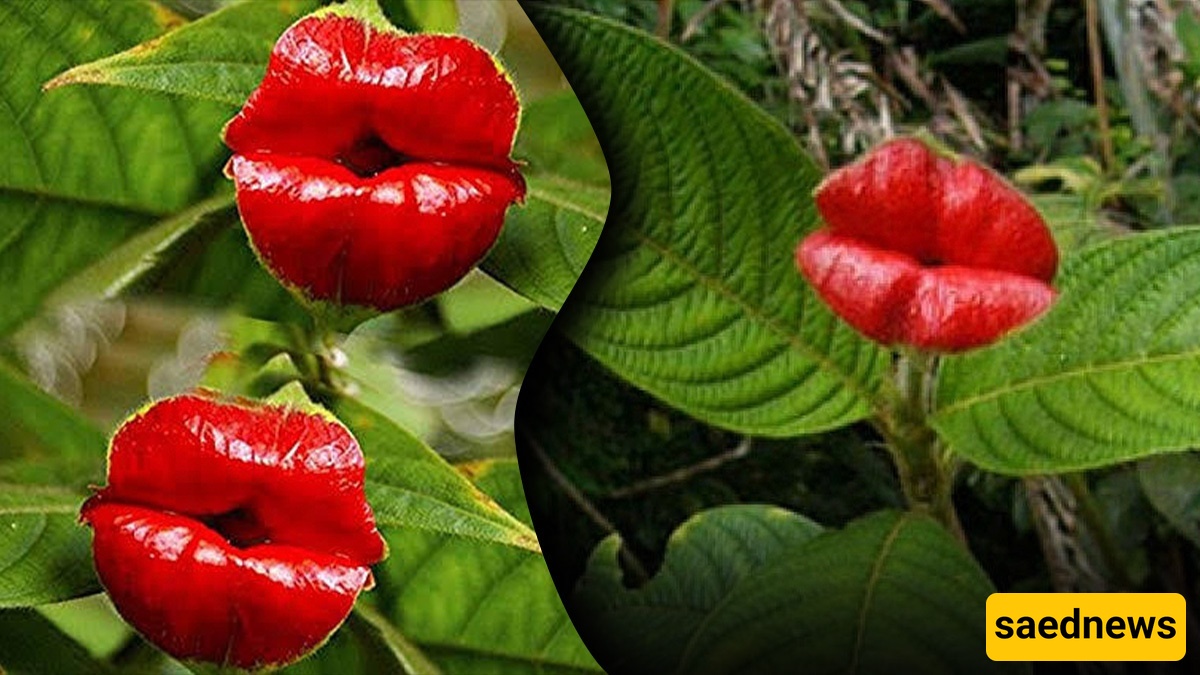
Scientifically known as Psychotria elata, this tropical plant is found in the rainforests of Central and South American countries such as Colombia, Costa Rica, Panama, and Ecuador. It has evolved its distinctive shape primarily to attract pollinators, including birds and butterflies. Unfortunately, due to uncontrolled deforestation in its native regions, this fascinating species is now considered at risk.
The plant has gained significant popularity on the internet because of its lips-like appearance. Its vivid red bracts are initially white and gradually turn deep red as they mature. Psychotria elata thrives in humid environments but can also adapt to mild climates under suitable conditions.
Growing this plant is quite challenging and requires very specific care. In its natural habitat, it grows in rich, moist soil made up of decaying leaf matter under forest canopies. It prefers indirect sunlight filtered through trees. For cultivation outside its natural environment or in greenhouses, a warm and highly humid setting protected from direct sunlight is essential.
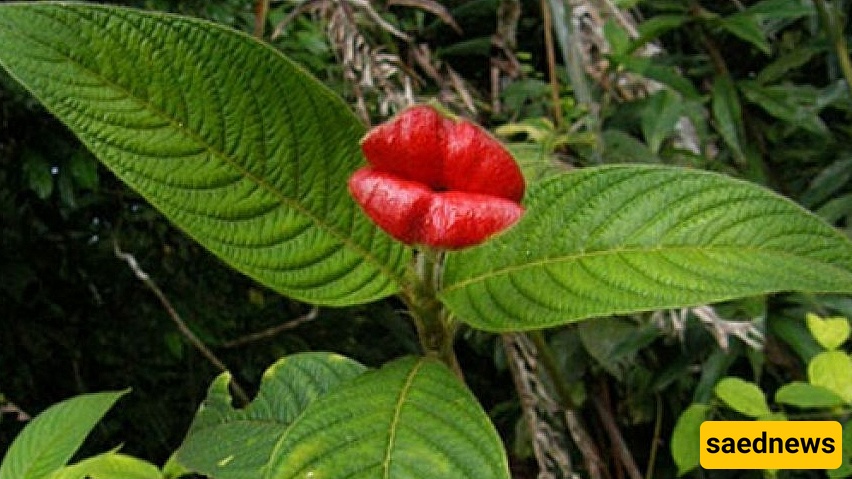
Since most standard potting soils do not provide adequate drainage and moisture retention, it is recommended to mix materials such as vermiculite and peat moss into the growing medium before planting. The ideal temperature for growth is around 21°C, with humidity levels of approximately 60% and consistent protection from direct sunlight.
This “Hot Lips” plant remains especially popular among plant enthusiasts and is sometimes given as a romantic gift, particularly on occasions like Valentine’s Day.