SAEDNEWS: These days, colorful cacti have become some of the most popular indoor plants because of their attractive appearance. They are also easy and simple to care for, making them a favorite choice for home decoration.
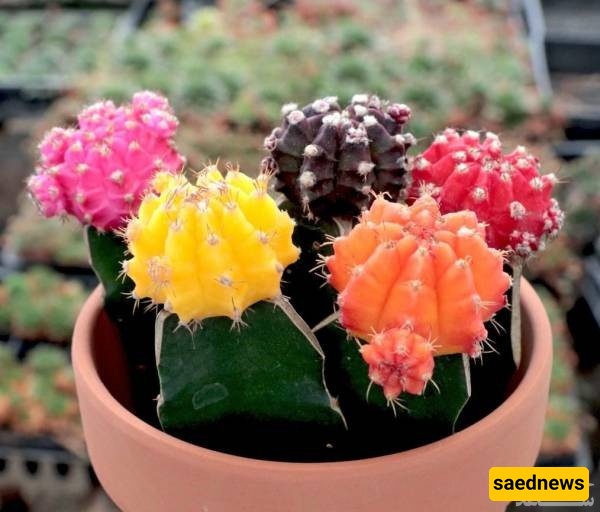
According to Saednews, You may have already seen colorful cacti in red, yellow, pink, and other shades.
The cactus is one of the plants found in many hot and dry regions of the world. It can also be used in Feng Shui for home decoration, and its colorful varieties create a more attractive atmosphere indoors.
If you want to have a beautiful colorful cactus, grafting is the only practical method.
In this process, a cactus species called Gymnocalycium mihanovichii is grafted onto a rootstock cactus such as Dragon Fruit cactus or Hylocereus.
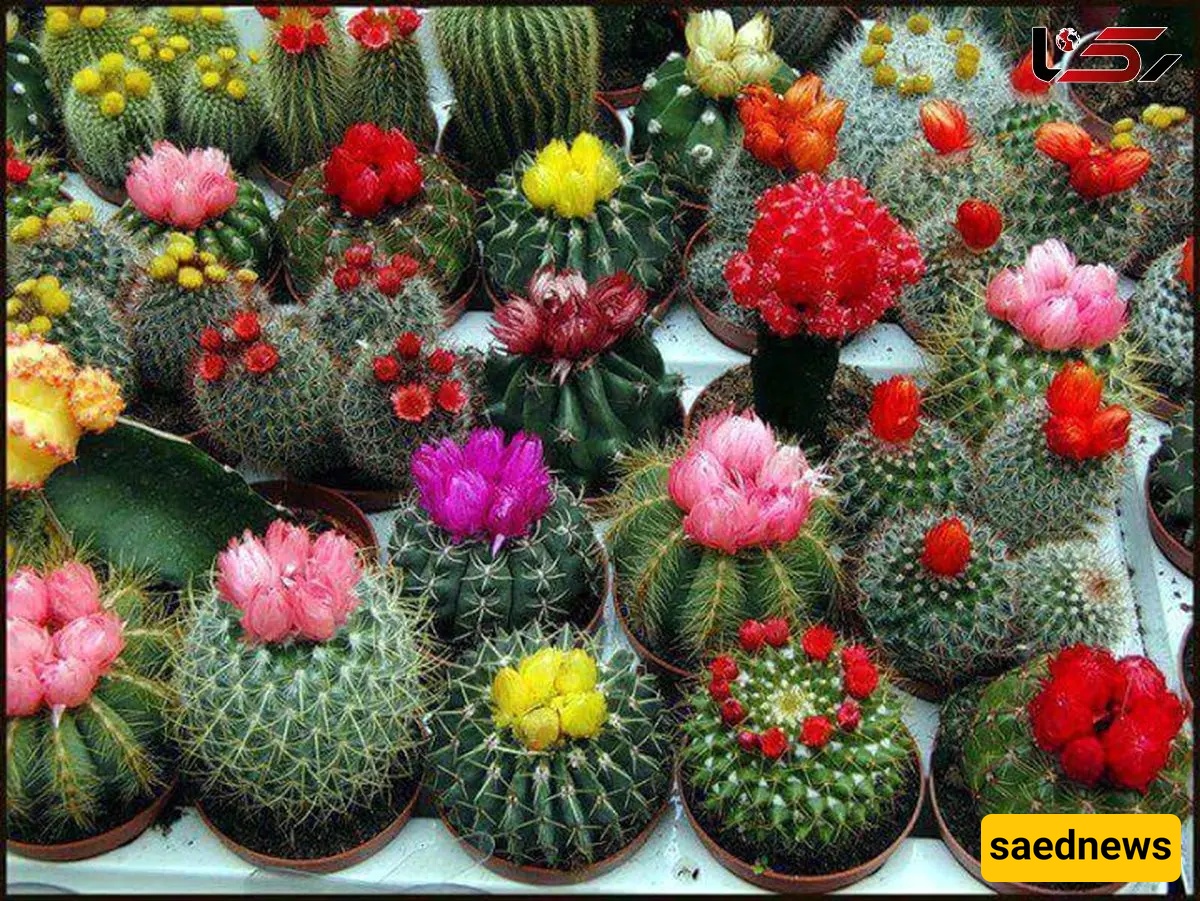
First, prepare a healthy red, yellow, or orange Gymnocalycium mihanovichii cactus and a healthy Hylocereus cactus large enough to serve as a rootstock.
Sterilize a sharp knife to reduce the risk of infection.
Cut the top of the Hylocereus cactus so that the cut surface matches the size of the Gymnocalycium that will be grafted onto it.
Trim the edges of the Hylocereus slightly so they slope downward.
Make a thin additional cut on the top of the rootstock and another thin cut on the bottom of the Gymnocalycium. Place the two cacti on top of each other so their vascular tissues connect. The vascular ring is the circular structure in the center of the cactus visible after cutting.
Secure the two parts together using a rubber band. It should not be too tight or too loose.
Allow the graft to remain connected for about two to three weeks, then remove the rubber band.
Note that the cactus should be kept at temperatures above 60°C (as stated in the source), and during the growing seasons (spring and summer), it should be fertilized monthly. The lifespan of the Gymnocalycium cactus is only a few years.
Summer is the best season for grafting and propagating cacti. In this season, you can also multiply your plants. Many cacti also bloom during summer, allowing seed production through pollination.
Hot seasons are a dormancy period for some cactus species. By understanding different cactus types and adjusting care conditions, you can prevent plant damage. For example, Lithops (living stones) enter dormancy in summer and require reduced watering.
Cacti with dense spines or hair-like structures such as Cephalocereus and Espostoa tolerate more sunlight compared to spineless species.
Watering can be done in a combined way—sometimes from the top of the pot and sometimes from the bottom.
• Too little watering and long dry periods during the growing season can cause root dehydration. Sudden rewatering may then lead to root rot.
• Cacti kept outdoors lose moisture faster than those kept indoors, so they require more frequent watering.
Light: Direct sunlight can damage the plant. The “moon cactus” needs indirect light and should not be exposed to strong direct sun for long periods.
Fertilization: During the growing season (spring and summer), apply cactus fertilizer monthly.
Temperature: Do not keep the cactus in low temperatures or outdoors during cold seasons.
Care must be taken for both the rootstock and grafted cactus. If discoloration appears or the base becomes soft, remove it from the soil, treat the roots with fungicides such as carbendazim or mancozeb, and replant after a few days in fresh soil.
Common fungal diseases can cause blackening or softening of the cactus and may quickly kill the plant. Spider mites may also attack it. Overwatering can lead to root decay.
The moon cactus is a mutated species that lacks chlorophyll (green pigment). Without chlorophyll, it cannot survive on its own and must be grafted onto a chlorophyll-containing cactus.
The only way to propagate it is through offsets, which are then grafted onto a new rootstock. Hylocereus cactus is commonly used because it can be easily propagated through cuttings and seeds. The rootstock is first rooted, and then the colored Gymnocalycium is grafted onto it.
Coconut coir (coir peat) is often used due to its light weight, affordability, and moisture retention.
However, it holds too much water, and since cacti are sensitive to excess moisture, this can cause root rot and plant death.
Therefore, changing the soil after purchase is very important.
A suitable cactus soil mix includes 60% sand, 30% peat moss, and the remainder perlite or cocopeat blend. After repotting, avoid watering the plant for a few days to allow the roots to establish.