SAEDNEWS: Speaking negatively about one’s spouse can have a harmful effect on a child’s upbringing and emotional relationships. This article presents the consequences of criticizing a spouse and offers solutions for building a healthy and stable family.

According to Saednews, Speaking negatively about one’s spouse in front of children is one of the major parenting mistakes that can weaken the foundations of trust and respect within a family. This behavior not only causes serious psychological and behavioral harm to children, but also creates a negative image of the parent in their minds and reduces the level of respect they hold.
The belief that speaking ill of a spouse benefits oneself or diminishes the other partner’s status is often misleading. In reality, it backfires and can lead to emotional and behavioral problems in children later in life. These are only some of the negative consequences of such behavior, which are outlined in detail below.
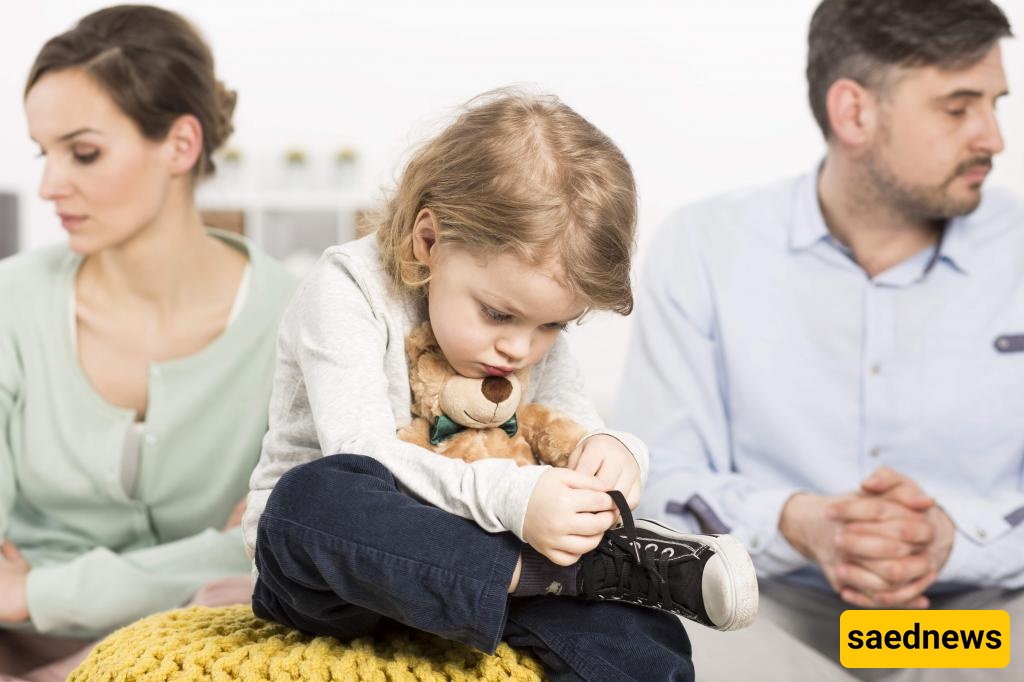
In an environment where children need stability and emotional security for healthy development, speaking negatively about one parent can become deeply damaging and have long-lasting effects. These consequences include:
Escalation of tension and conflict
This behavior can intensify family disputes and place children in unsafe and stressful emotional situations.
Decreased respect for parents
When parents speak ill of each other in front of their children, trust and respect toward both parents can diminish, weakening emotional bonds within the family.
Creating division between parents and children
Such behavior may create emotional distance between children and one parent, shifting focus from positive traits to conflicts and disagreements.
Lowering children’s self-esteem
Children view their parents as role models. Continuous criticism can lead to reduced self-worth and feelings of inadequacy.
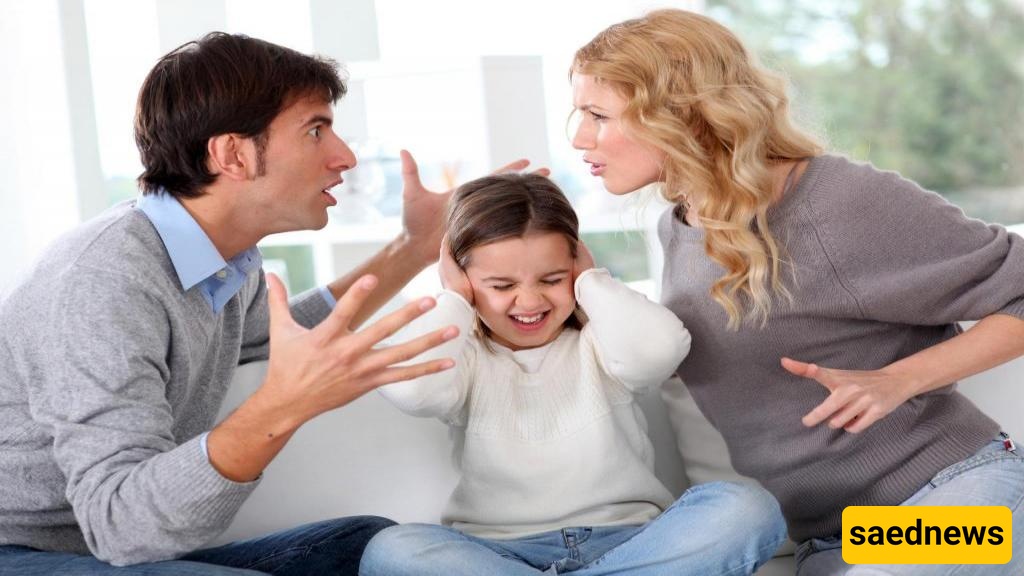
Long-term psychological and behavioral harm
Exposure to parental conflict and negative speech can contribute to future issues such as anxiety, depression, behavioral disorders, and difficulties in social relationships.
Given the importance of this issue, parents should strive to create a healthy and supportive environment for their children by modeling positive behavior. The following strategies can help eliminate the habit of speaking negatively about a spouse in front of children:
Praising the spouse
Acknowledging and highlighting positive behaviors in front of children not only strengthens the spouse’s sense of value but also demonstrates a healthy model of family relationships.
Forgiving minor mistakes
Overlooking small mistakes increases marital intimacy and teaches children a positive way of handling errors.
Respecting privacy
Family conflicts should be resolved away from children to prevent negative emotional impacts and preserve parental respect in their eyes.
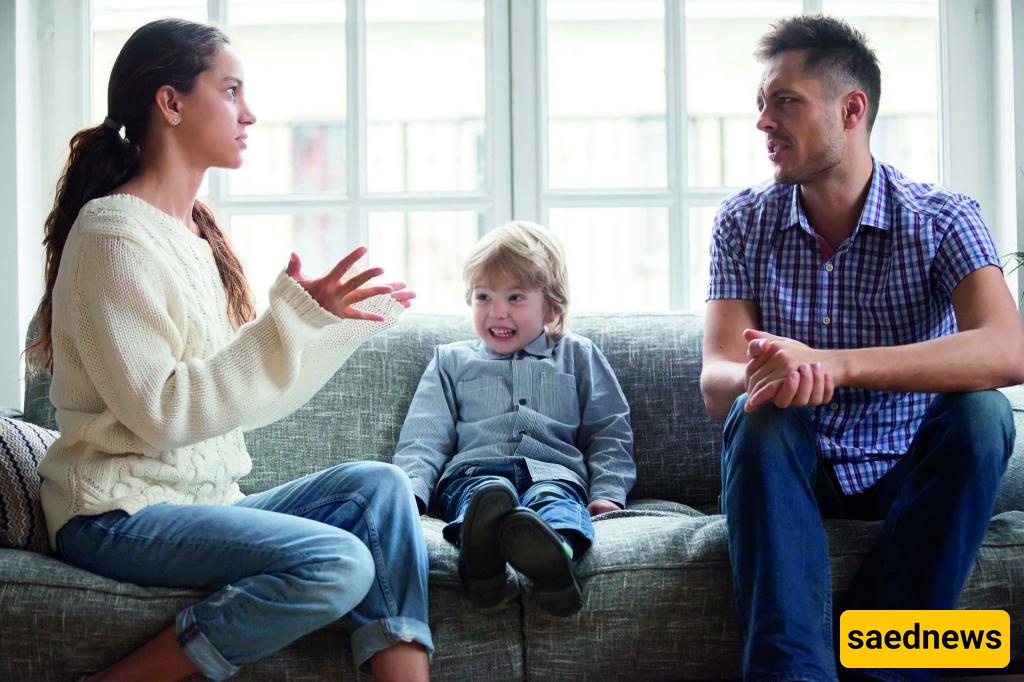
Avoiding suspicion and negativity
Mutual trust is the foundation of a healthy relationship. Preventing the transfer of suspicion and negativity to children supports their emotional development.
Accepting differences
Respecting individual differences helps resolve conflicts peacefully and prevents humiliation or verbal hostility.
Staying calm during anger
Controlling emotions in moments of anger prevents harmful reactions and allows for rational problem-solving after calm is restored.
By applying these strategies, parents can avoid speaking ill of each other in front of their children and create a family environment filled with love, respect, and emotional well-being.