SAEDNEWS: An Indian farmer found a jar full of coins in his almond orchard.
![Farmer Unearths Jar Full of Indian Gold Coins in Almond Orchard [Photo]](https://en.saednews.com/storage/files/post/93678e56-85a1-416a-870d-b046f6f74e18-MWPLtJE5YLocAvig/image.jpg)
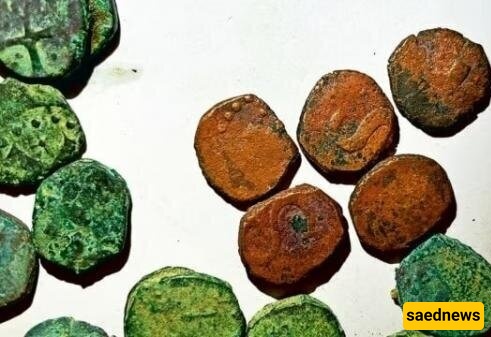
According to Saed News’ history service, citing FaraDID, 832 copper coins have been discovered on a cashew farm in Goa, on India’s western coast. Experts believe the coins date back to the 16th or 17th century, during the period of Portuguese colonial rule in India.
Vishnu Shridhar Joshi, a farmer from the village of Nanoda Bamber, made the discovery two weeks ago while clearing weeds from his cashew orchard. He noticed a buried pot in the soil. After some careful digging, he uncovered a container filled with ancient coins.
Joshi handed the coins over to a team of state archaeologists. Now, Goa’s Department of Archaeology is examining the coins to determine their precise age and historical context.
Nilesh Phal Desai, the department’s director of archaeology, described the find as “a treasure.” He added, “The coins belong to the former kingdoms of Goa and the people of that era, dating back to the 16th or 17th century.”
Goa was a Portuguese colony from 1510 to 1961. The small coastal region was conquered by Afonso de Albuquerque (1453–1515) and became a key trading hub for Eastern spices. For 450 years, Goa served as the capital of Portugal’s entire empire east of the Cape of Good Hope.
The Department of Archaeology notes that the coins likely originate from the 16th or 17th century and could provide valuable insights into the region’s historical trade networks.
This rare discovery is now part of a study being conducted by the state archaeology department, which may shed light on Goa’s trade, commerce, and economic history. Officials say the buried treasure offers a tangible connection to the region’s numismatic past.
Based on the inscriptions and symbols on the coins, they appear to have been minted during the early years of Portuguese rule in the 16th–17th centuries, though the exact dates remain uncertain. Dr. Nilesh Phal Desai explained that some coins feature a cross on one side and letters that may represent the initials of the reigning monarch at the time of circulation.
Joshi reported that the earthen pot containing the coins was found at Jhadiche Baharad, on a hill about one kilometer from the Kalasa Nula site.
Under Indian law, any item officially classified as a “treasure” (any buried or forgotten property) is considered government property. The law also requires that anyone who discovers such a treasure must report it to the authorities.