SAEDNEWS: A comparison of transparency, hygiene, traceability, and price to help you make a more informed choice for your family's health.
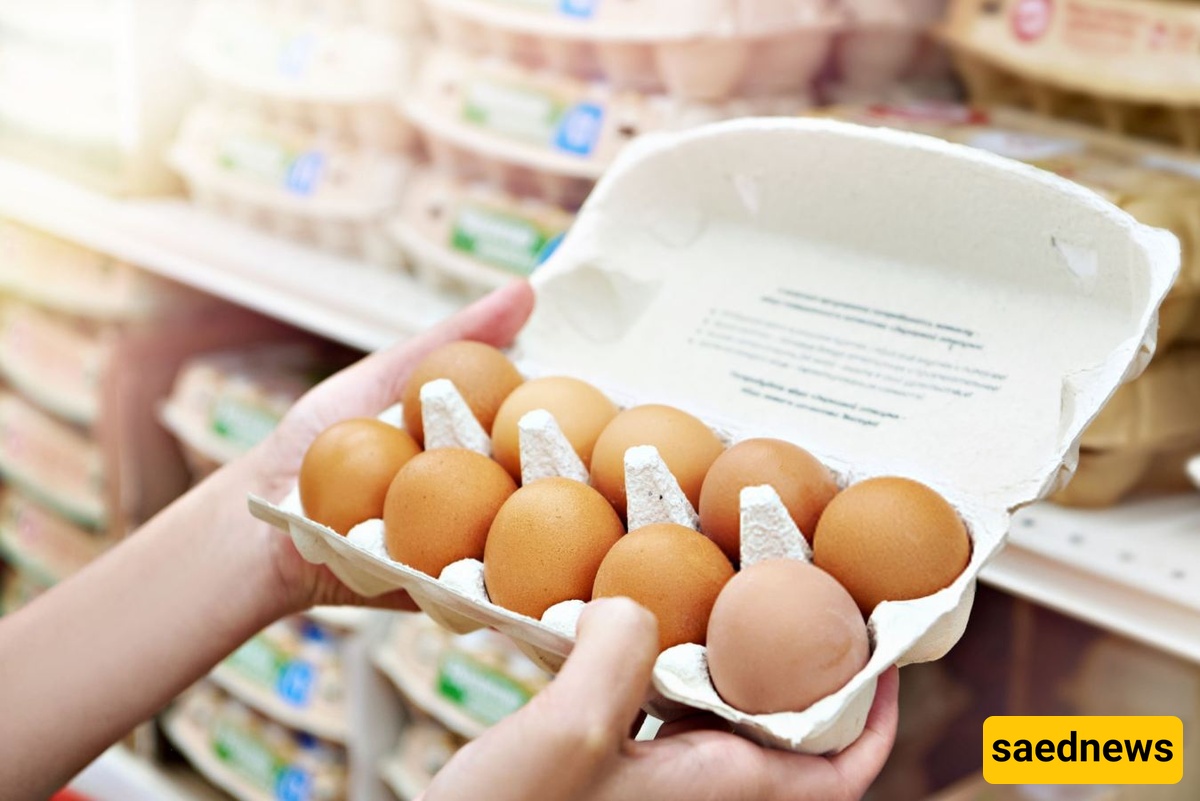
According to Saednews, For most families, packaged and traceable eggs are a more reliable choice because they provide essential information, such as production and expiration dates, storage instructions, producer details, and sometimes a tracking code. However, packaging alone does not guarantee quality. Eggs should be intact, free from cracks, within their expiration date, and stored under proper refrigerated conditions.
Eggs are one of the main sources of protein in a family's diet. Yet, when shopping, many consumers face the same question: Should they choose branded, packaged eggs or loose eggs?
The difference goes beyond appearance and price. It mainly concerns product traceability, transparency, hygiene, quality control, and storage conditions.
This article explores the differences between packaged and loose eggs, the benefits of traceable eggs, and what families should consider when buying eggs for children, older adults, athletes, and other household members.
Comparison Criteria | Packaged Eggs | Loose Eggs |
|---|---|---|
Production and expiration dates | Usually clearly displayed | Sometimes unclear |
Product traceability | Available for traceable products | Generally limited |
Egg size consistency | Usually more consistent | May vary |
Protection during transportation | Better, if packaging is intact | Depends on handling |
Producer information | Usually available | May be unavailable |
Storage condition verification | Easier | More difficult |
Initial price | Sometimes higher | Usually cheaper |
Risk of buying old or damaged eggs | Lower when purchased from a reliable supplier | Potentially higher |
Overall: If food safety, transparency, and reliability matter more to you than finding the lowest possible price, packaged eggs are generally the more sensible option.
Packaged eggs are eggs that are collected, inspected, sorted, and prepared for sale in designated containers. Their packaging typically includes information such as:
Production date
Storage instructions
Product quantity or weight
Producer's name and details
Expiration date or best-before date
Relevant license or registration numbers
Egg size or quality grade, when specified
Traceability code or product tracking information, where available
Food safety guidelines place considerable importance on providing accurate production and expiration information. Selling expired eggs, products with altered labels, or eggs stored under unsuitable conditions can constitute a food safety violation.
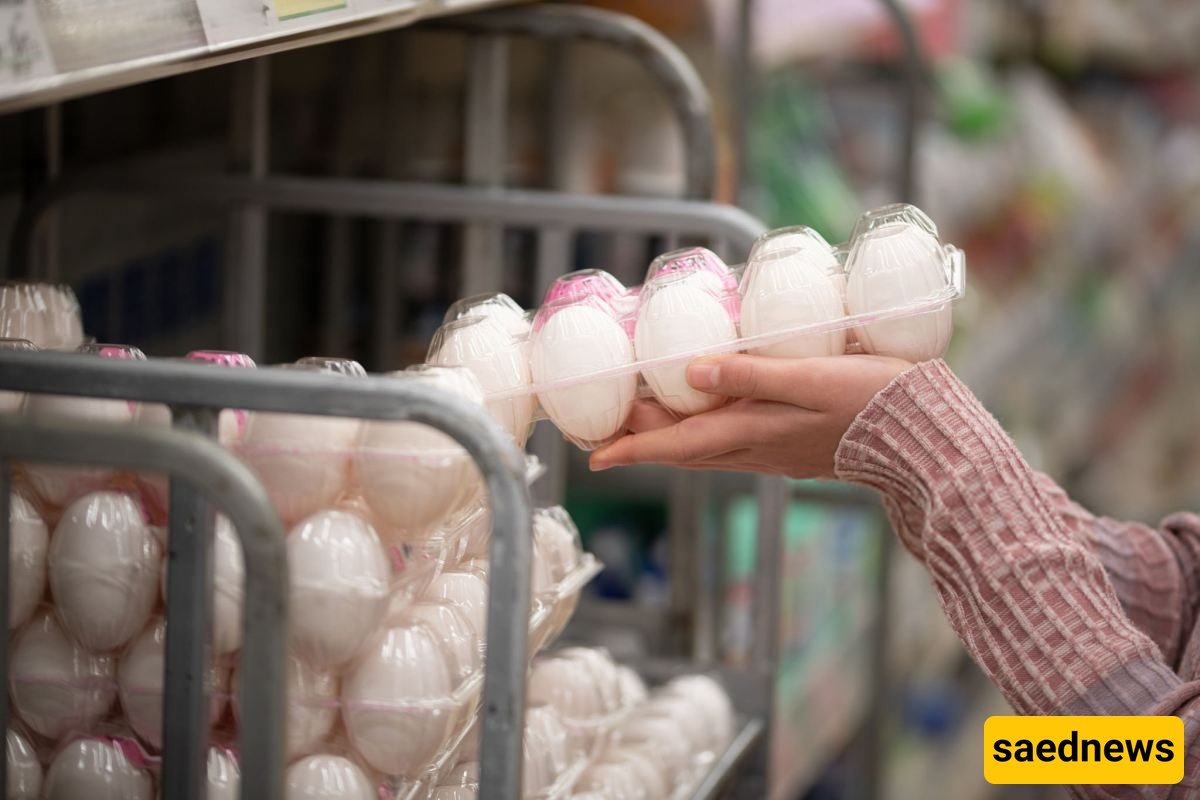
Loose eggs are generally sold without dedicated branded packaging. They may be displayed in trays, cartons, or other generic containers and are commonly available in supermarkets, local shops, and traditional markets.
Loose eggs are not necessarily poor quality. If they come from a reputable farm or supplier and have been handled and stored under appropriate hygienic and temperature conditions, they can be perfectly suitable for consumption.
However, when purchasing loose eggs, consumers may not have clear answers to several important questions:
When exactly were the eggs produced?
Which farm or supply chain did they come from?
Were they kept at an appropriate temperature during transportation?
Were they inspected for cracks and contamination?
Do all eggs in the same tray belong to the same size and quality grade?
This lack of transparency is one of the main disadvantages of buying loose eggs.
One of the biggest advantages of packaged eggs is the information available before purchase.
Consumers can check the production date, expiration date, quantity, weight, and storage instructions before placing the product in their shopping basket.
With loose eggs, this information may be unavailable or based entirely on the seller's statements.
This transparency is particularly valuable for families concerned about the food safety of children, older adults, and people with special dietary or health considerations.
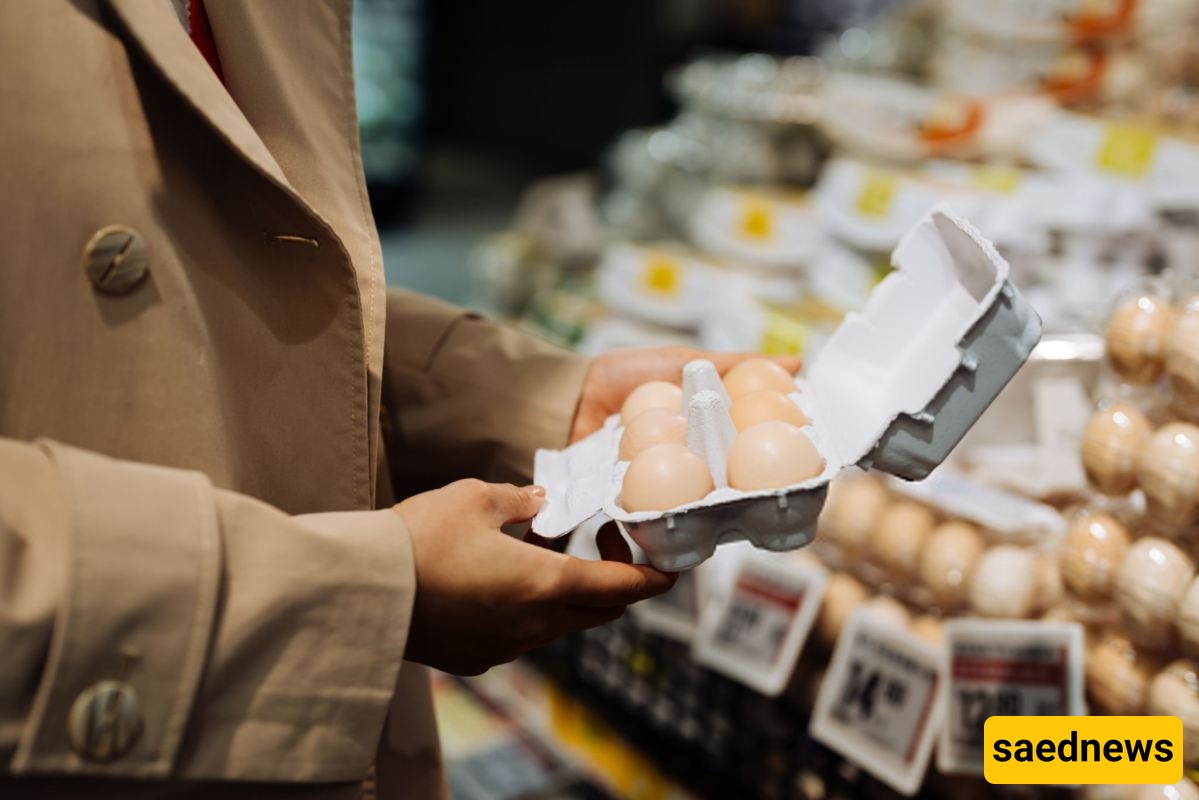
Traceable eggs have a more clearly identifiable origin than products sold without specific identification.
Producer details and tracking information help connect the product to a defined production and distribution chain.
This offers two important advantages:
Consumers can identify the source of the eggs.
If a problem occurs, the product can be investigated and traced more effectively.
A crack in an eggshell is more than a cosmetic problem. The shell acts as a protective barrier, and cracks can increase the risk of bacterial contamination.
In properly designed packaging, eggs are placed in separate compartments, reducing direct contact and the likelihood of damage.
However, packaging should always be inspected before purchase because eggs can still become damaged during transportation.
Before buying:
Check that the packaging is not crushed or torn.
Avoid eggs with cracked, broken, or leaking shells.
Do not choose packages containing unusual contamination or unpleasant odors.
The US Food and Drug Administration (FDA) also recommends purchasing refrigerated eggs with clean, uncracked shells.
Many branded egg packages contain eggs sorted according to predetermined size or grading standards.
This can be particularly useful in cooking and baking because egg size can affect the final result of certain recipes.
For example, if a baking recipe requires several eggs of similar size, a package with clearly specified sizing can provide more predictable results.
With loose eggs, a single tray may contain a mixture of small, medium, and large eggs.
Appropriate packaging can help protect eggs against:
Physical impact
Pressure
Environmental contamination
Improper handling
Direct contact with other food products
However, packaging is only effective when it remains intact. A cracked, wet, or improperly refrigerated package is not necessarily a safe choice.
To make a balanced purchasing decision, it is important to consider the limitations of packaged eggs as well.
Packaged eggs may cost more because of additional expenses associated with:
Sorting and grading
Quality control
Packaging materials
Printing product information
Standardized transportation
Refrigerated storage and distribution
Therefore, consumers should compare prices per egg or per unit of weight rather than looking only at the total package price.
Sometimes, a smaller package offers better overall value because of its quality controls, traceability, and packaging standards.
A box or plastic container alone does not guarantee superior quality.
A properly packaged product should meet several conditions simultaneously:
Valid expiration date
Undamaged packaging
Appropriate refrigeration
Identifiable producer
Verifiable product information
Eggs free from cracks and contamination
Consumers should not rely exclusively on attractive packaging or brand recognition. The information on the label and the conditions in which the product is displayed are equally important.
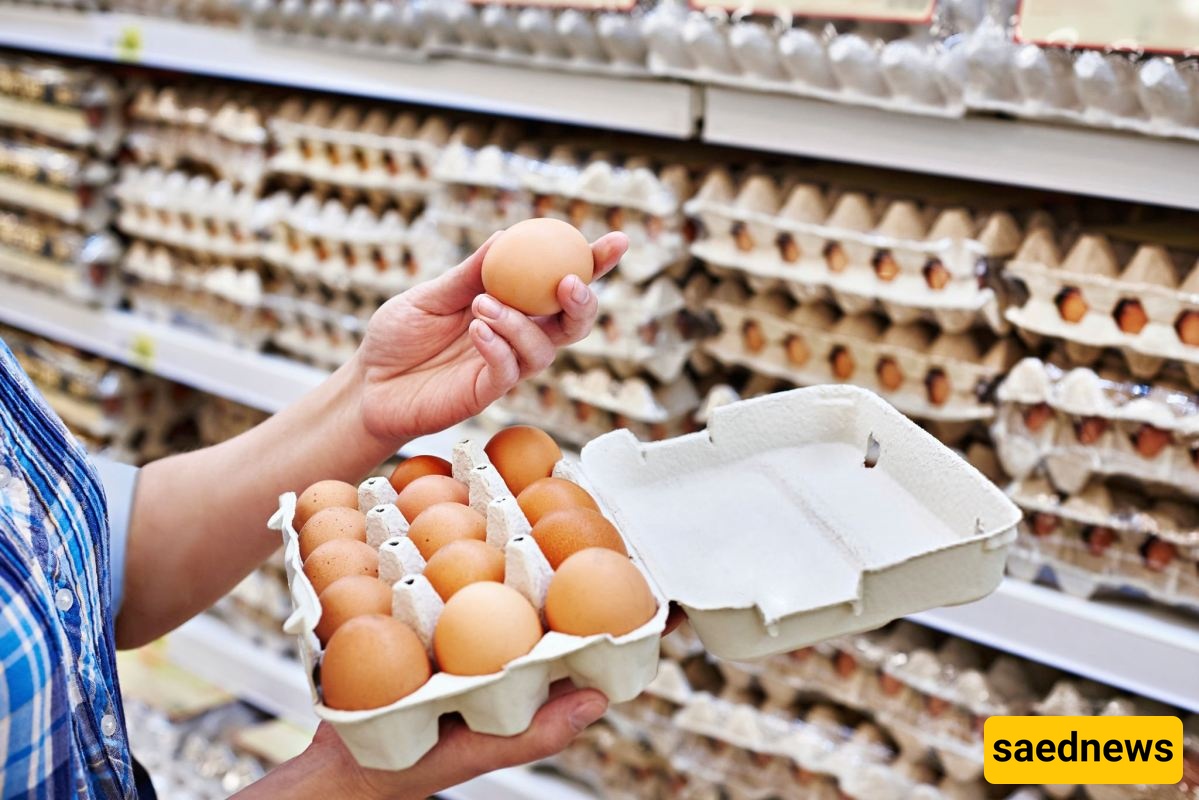
When purchasing loose eggs, consumers can usually select the exact number they need.
Packaged eggs, on the other hand, are sold in predetermined quantities. For example, smaller household packages and larger family packs may be available.
This can be inconvenient for people living alone, smaller households, or consumers who plan to use eggs within a short period.
Choosing a package that matches household consumption can help reduce food waste.
Loose eggs can offer several advantages for certain consumers:
Lower initial purchase price
Flexibility to buy the exact quantity needed
Easy availability in local stores
Opportunity to visually inspect individual eggs
Convenient for bulk purchases when sourced from a reliable supplier
However, these benefits are meaningful only when the seller follows appropriate hygiene, freshness, and storage practices.
The main disadvantages of purchasing loose eggs include:
Unclear production dates
Limited product traceability
Possible storage outside refrigeration
Lack of detailed producer information
Difficulty investigating problems after purchase
Greater exposure to the surrounding environment and handling
Higher possibility of purchasing cracked or contaminated eggs
Potential mixing of eggs with different sizes and quality grades
For these reasons, the safety and quality of loose eggs depend heavily on the seller's reputation and the conditions of the retail environment.
Authentic packaged eggs that have been handled properly and stored under suitable conditions generally offer better transparency and purchasing control.
However, this should not be interpreted as an absolute guarantee of safety.
Packaging cannot replace proper refrigeration and food safety practices. Household egg products should be stored according to the manufacturer's instructions, and refrigerated products should remain within the appropriate cold chain.
Remember these four essential purchasing principles:
Intact packaging
Valid expiration date
Proper refrigerated storage
Eggs with uncracked shells
Many consumers assume that loose eggs are always fresher because they may come directly from farms or local markets.
However, freshness cannot be determined simply by whether eggs are packaged or sold loose.
Egg freshness depends on several factors:
Production date
Transportation time
Storage temperature
Environmental humidity
Shell condition
Stock rotation practices at the store
Production and expiration information
The main advantage of packaged eggs is that consumers can check their dates and product details.
With loose eggs, determining freshness is generally more difficult and may depend on appearance, smell, or trust in the seller.
Before purchasing, pay attention to the following points:
Condition of the packaging
Product weight or quantity
Recommended storage conditions
Producer's name and details
Absence of cracks or broken shells
Egg size or grade, if specified
Absence of unpleasant odors, where inspection is possible
Production and expiration dates or best-before information
Absence of unusual moisture or leakage inside the package
Traceability information, if provided
Whether the product is kept refrigerated or under appropriate cold storage conditions
It is also advisable to select eggs toward the end of your shopping trip so they spend less time outside refrigerated conditions.
Children can be more vulnerable to foodborne illnesses. Choosing traceable eggs helps parents check production dates, producer information, and storage conditions more easily.
However, raw or partially cooked eggs should still be handled carefully. Thorough cooking is particularly important for vulnerable groups.
Athletes often require regular protein intake.
Different package sizes and products such as liquid egg whites can make everyday consumption more convenient and easier to plan.
For people with demanding schedules, packaged eggs offer several practical advantages:
Quick access to product information
Easier storage and organization
Convenient package sizes
More predictable purchasing quantities
These features can simplify everyday grocery shopping.
For these groups, maintaining the cold chain and thoroughly cooking eggs are especially important.
Food safety recommendations generally advise cooking eggs and egg-containing dishes thoroughly. For recipes involving raw or partially cooked eggs, pasteurized eggs or egg products should be used.
Shell color alone is not an indicator of superior quality or nutritional value.
The difference in shell color is generally related to the breed of the hen.
More important factors to consider when choosing eggs include:
Freshness
Expiration date
Shell condition
Storage conditions
Producer information
Product grading and quality
Therefore, white and brown eggs do not have an inherent advantage over one another simply because of their shell color, provided they have been produced and stored under comparable conditions.
If your only purchasing priority is the lowest initial price, loose eggs may seem more economical.
However, food purchases should not be evaluated on price alone.
The actual cost of buying eggs also involves considerations such as:
Limited traceability
Variations in size and weight
Risk of purchasing older products
Concerns about household food safety
Potential waste from cracked eggs
Time spent inspecting individual products
Standardized packaged eggs from reliable producers can reduce some of these uncertainties.
In other words, consumers are paying not only for a carton or tray of eggs but also for product information, traceability, quality control, consistency, and greater peace of mind.
For most households, properly packaged and traceable eggs are the more reliable choice, particularly when food safety, product transparency, and consistent quality are priorities.
Loose eggs can still be a reasonable and economical option when purchased from a trustworthy supplier that maintains proper hygiene, refrigeration, and handling standards.
Ultimately, the best choice is not determined by packaging alone. Freshness, shell integrity, storage conditions, reliable sourcing, and proper handling are the factors that matter most when choosing eggs for your family.