SAEDNEWS: Victorian interior design, known for its rich color palettes, intricately detailed furniture, and luxurious atmosphere, remains one of the most popular decorating styles. In this article, discover the key principles, distinctive features, and essential elements of Victorian design.
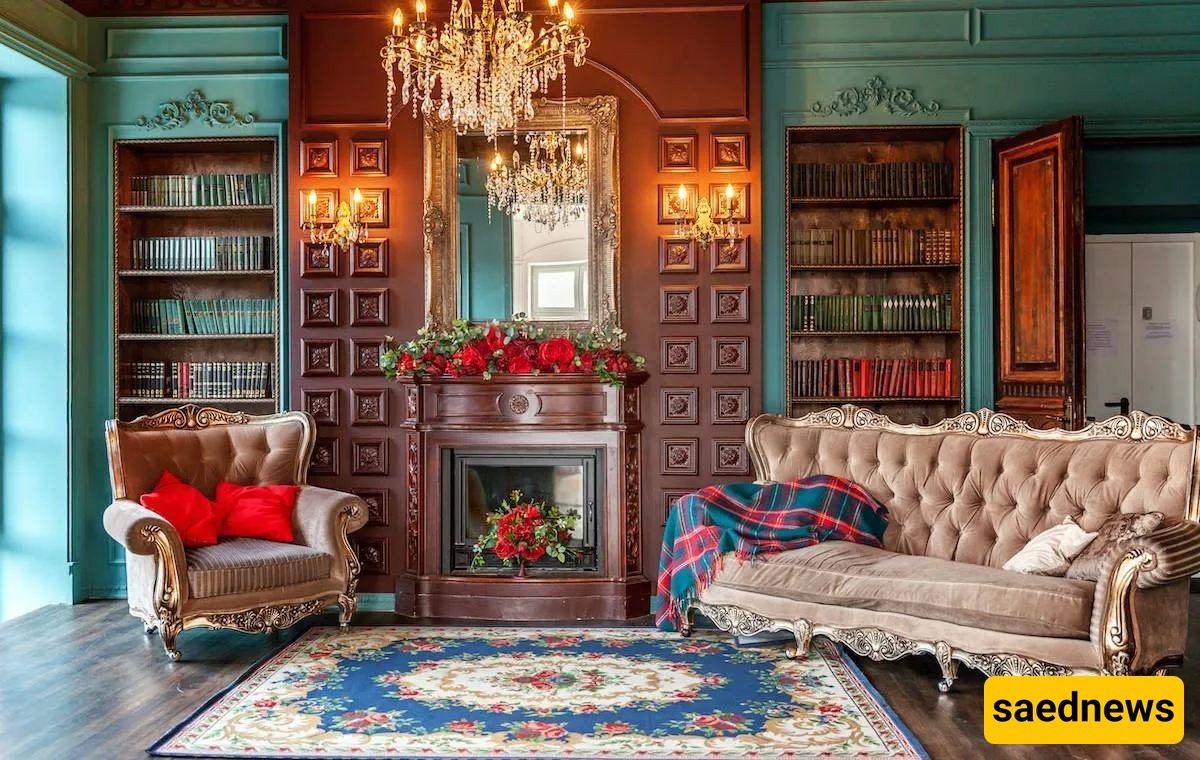
According to Saednews, Victorian home décor is one of the most popular and enduring interior design styles in the world. It is a style that brings together a sense of heritage, grandeur, and family warmth within a single living space.
If you want to give your home more depth, character, and a touch of aristocratic elegance, understanding the principles and details of Victorian design can be an excellent starting point.
In this article, we explore the key features, color palettes, furniture, lighting, and decorative elements of Victorian interiors, while explaining how to adapt this magnificent style to the needs of modern living.
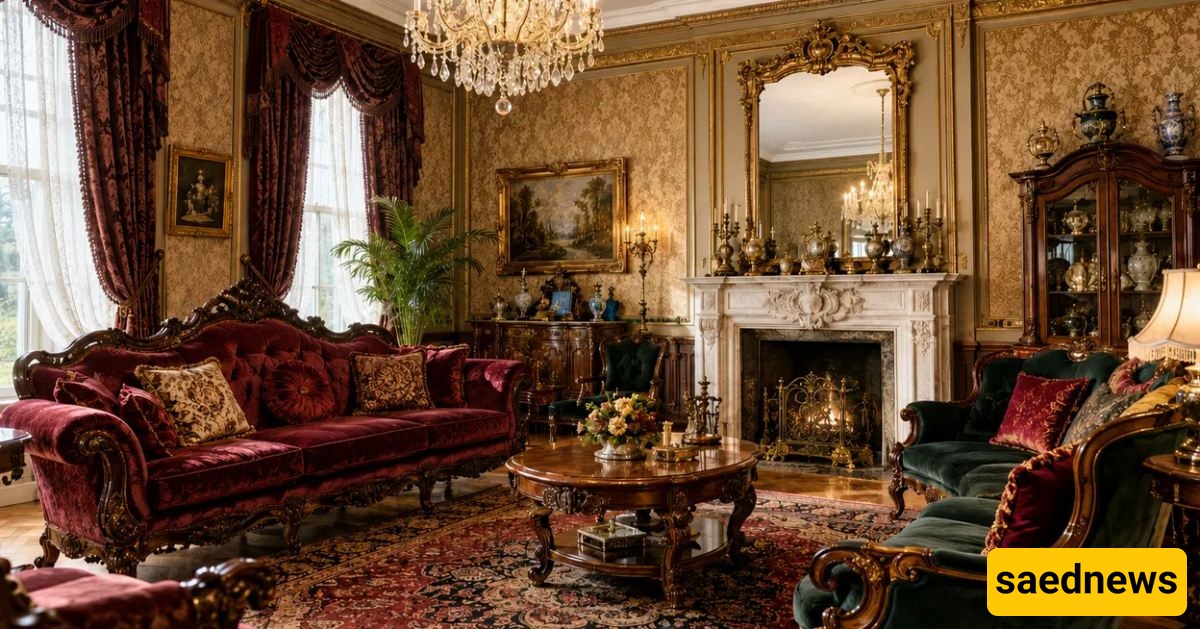
The Victorian style dates back to the reign of Queen Victoria in England, from 1837 to 1901. During this period, the Industrial Revolution made mass production of furniture, fabrics, and decorative objects possible. At the same time, the emerging middle class began looking to aristocratic homes for inspiration, seeking to decorate their own interiors with grandeur and intricate details.
The result was a distinctive style in which more was considered more beautiful. Elaborate patterns, rich and dark colors, substantial furniture, and abundant decorative accessories became its defining characteristics.
One important aspect of Victorian interior design is that, unlike many other interior styles, it is not entirely uniform or consistent. Instead, it combines influences from Gothic, Renaissance, Eastern, and Classical design traditions.
This eclectic character gives Victorian interiors considerable creative freedom and makes the style adaptable to contemporary homes.
To successfully incorporate Victorian design into your home, it is important to understand its essential elements. Below are the most distinctive characteristics of this timeless style.
One of the most recognizable features of Victorian interiors is the use of dark, rich, and warm color palettes. Popular choices include burgundy, forest green, navy blue, chocolate brown, gold, and purple.
These colors create a sense of intimacy, depth, and sophistication.
Wood tones are equally important. Victorian furniture and wooden frames were traditionally made from dark woods such as walnut, mahogany, and oak.
If your room is relatively small, consider painting one wall in a rich, dramatic color while keeping the remaining three walls in lighter shades. This approach helps maintain visual balance without losing the Victorian character.
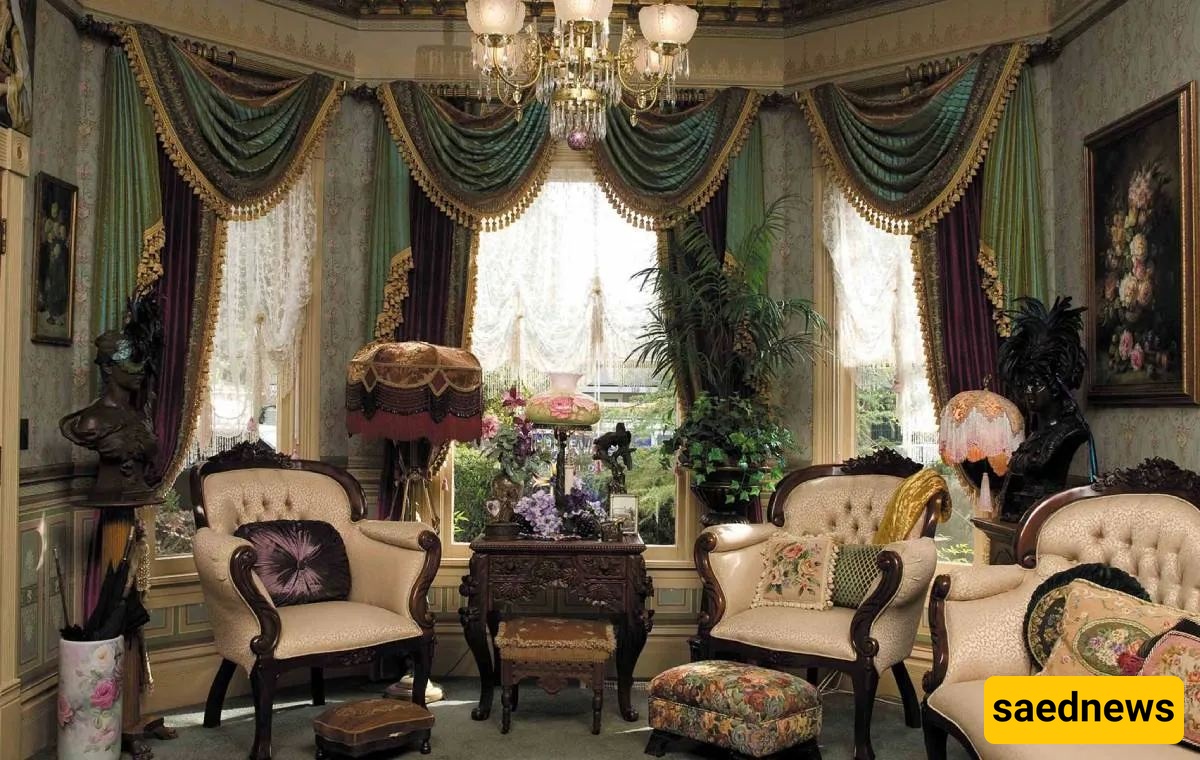
Wallpaper plays a significant role in Victorian interior design. Floral patterns, arabesque motifs, damask designs, and repeating geometric patterns are among the most popular choices.
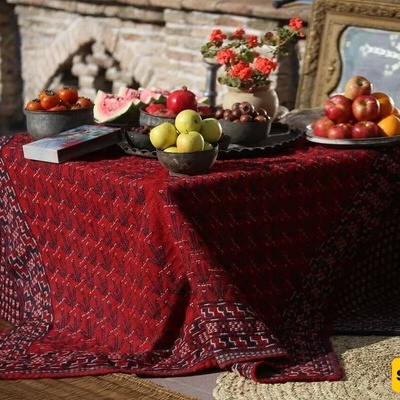
Patterns are not limited to wallpaper. They often appear throughout the interior, including curtains, bedspreads, cushions, and tablecloths.
Victorian interiors typically feature heavy and luxurious fabrics such as velvet, suede, satin, lace, and netting. Long, layered curtains with decorative valances and tiebacks are also essential elements of this style.
To prevent a room from looking excessively busy, especially in smaller spaces, choose larger patterns selectively and limit the number of different designs.
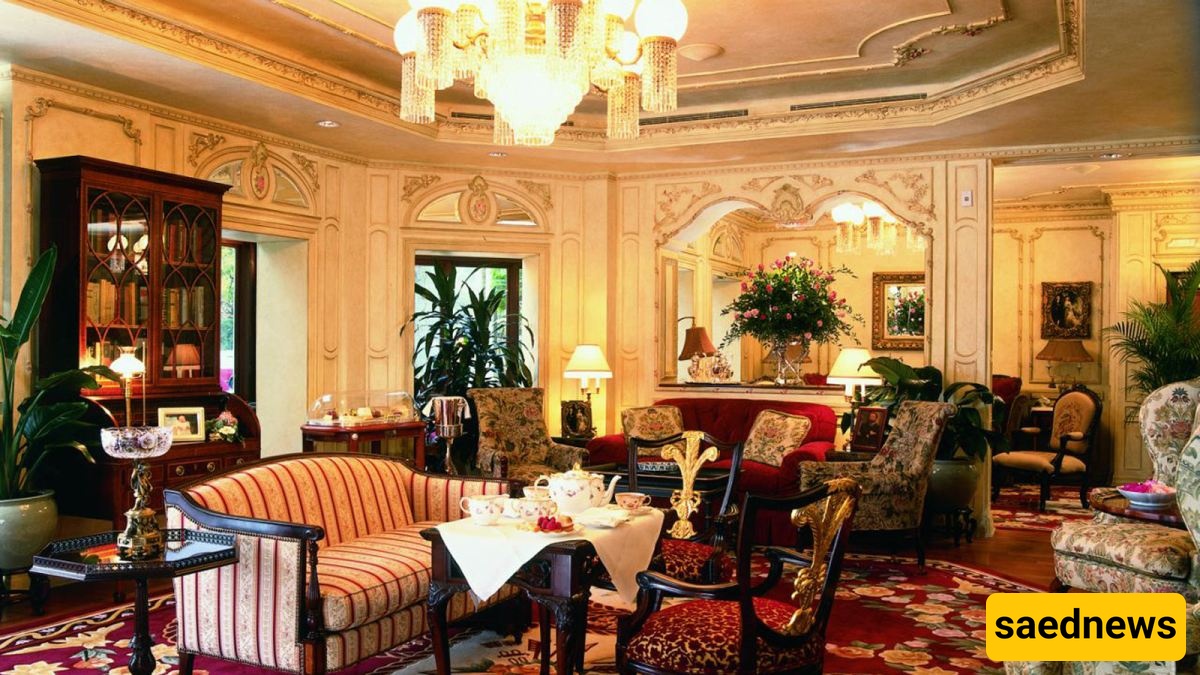
Victorian furniture is generally substantial, sturdy, and richly decorated.
Some of the most recognizable pieces include Chesterfield sofas with button-tufted upholstery, wooden chairs featuring hand-carved details, console tables with sculpted legs, and armchairs with tall backs.
When selecting Victorian furniture, quality and craftsmanship are particularly important because these pieces are intended to become focal points within the room.
Pay attention to the type of wood, upholstery fabric, and stitching quality when purchasing Victorian-style furniture. It is also advisable to measure your room carefully beforehand, as oversized furniture can make smaller spaces feel cramped.
Lighting in Victorian interiors should feel warm, soft, and layered.
Crystal chandeliers, wall sconces with fabric shades, and table lamps featuring bronze or porcelain bases are all suitable choices.
Warm yellow lighting, rather than cool white light, helps enhance the traditional and welcoming atmosphere of the space.
Instead of relying on a single powerful central light source, use several smaller lighting fixtures throughout the room. This creates greater visual depth while making the interior feel more comfortable and inviting.
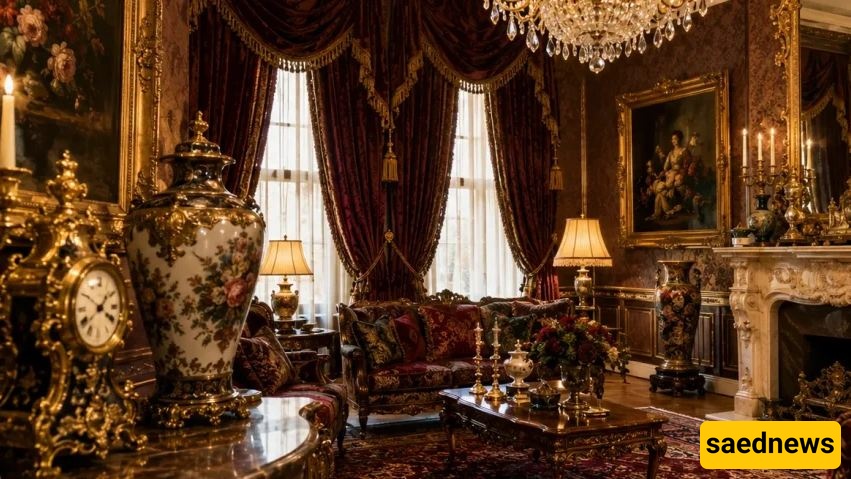
Dark wooden flooring, particularly parquet patterns, was common in Victorian homes.
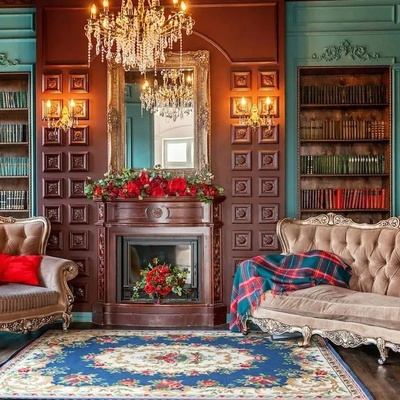
These floors were often covered with richly patterned and colorful rugs featuring Oriental or floral designs.
If your home has ceramic or stone flooring, adding decorative rugs in warm colors can help recreate the traditional Victorian atmosphere.
The fireplace holds a special place in Victorian interior design and is traditionally considered the heart of the home.
Fireplace surrounds were commonly made from marble, carved wood, or cast metal. Above the fireplace, a large mirror with an elaborate decorative frame was often displayed.
If your home does not have a fireplace, you can create a similar atmosphere by installing a decorative fireplace surround and arranging several candles inside it.
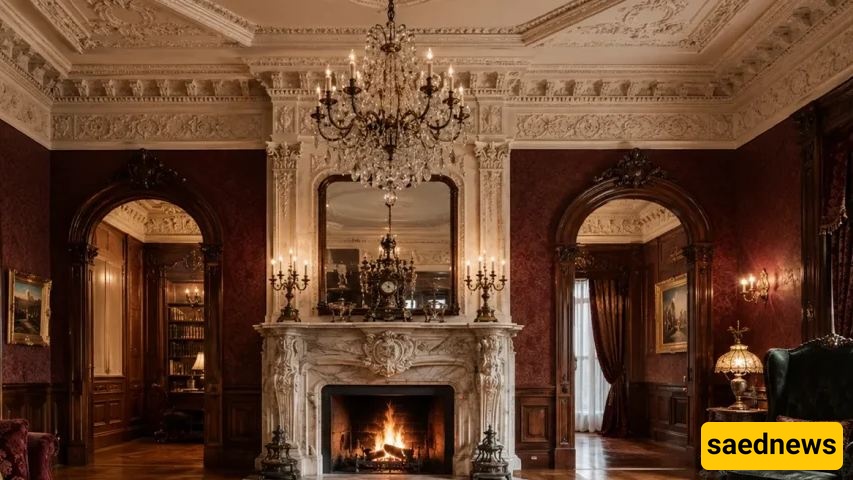
One of the most appealing aspects of Victorian décor is its generous use of decorative accessories.
Antique clocks, bronze picture frames, porcelain vases, crystal candleholders, arched mirrors, and vintage books can all add personality and character to a room.
In traditional Victorian interiors, walls are rarely left empty. They are often decorated with framed paintings, decorative plates, and ornate mirrors.
The key is to create a carefully curated collection of objects that complement one another rather than making the space feel cluttered.
Plants also play an important role in Victorian interior design.
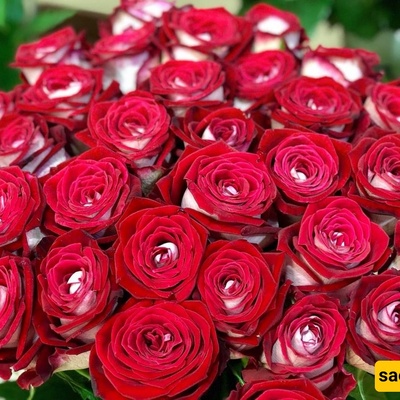
During the Victorian era, keeping indoor plants and fresh flowers was particularly fashionable. Today, plants such as ferns, ficus, and pothos, along with flowers such as roses and orchids, can introduce freshness and natural beauty into a Victorian-inspired interior.
They provide a pleasant contrast to the darker colors, heavy furniture, and elaborate decorative details commonly associated with this style.
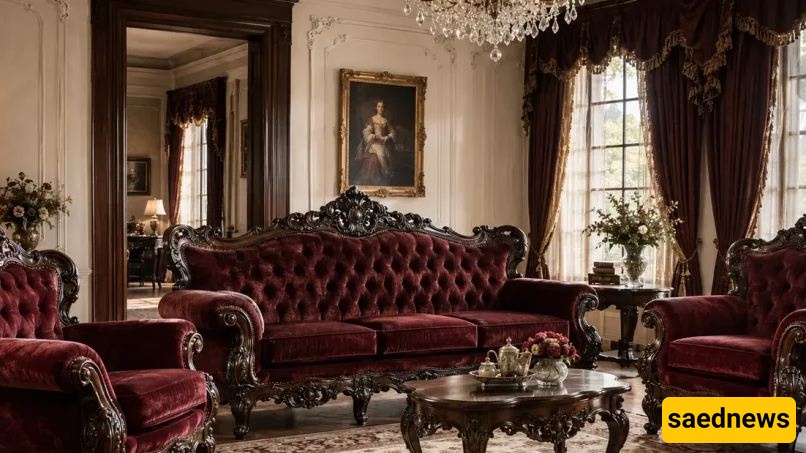
Many people assume that Victorian décor is unsuitable for contemporary homes, particularly smaller apartments. However, with a few thoughtful design decisions, this elegant style can be incorporated into modern living spaces.
First, maintain balance. You do not need to use every Victorian element at once. Choose one or two statement pieces, such as a Chesterfield sofa and floral wallpaper, while keeping the rest of the room relatively simple.
Second, introduce lighter colors. In smaller spaces, combining rich Victorian shades with neutral colors such as cream, beige, and light gray can reduce the feeling of heaviness.
Third, make natural light a priority. Large windows and lighter curtains can make a Victorian-inspired interior feel brighter, more spacious, and more welcoming.
Fourth, embrace a mix of styles. Combining a traditional Victorian sofa with a modern minimalist coffee table can create an attractive balance between classic elegance and contemporary design.
When creating a Victorian-inspired interior, certain common mistakes can make the result look cluttered rather than elegant.
The first is using too many different patterns and colors, which can make the room feel visually chaotic.
The second is ignoring the relationship between furniture dimensions and room size. Oversized furniture can overwhelm a small interior and limit functionality.
The third is choosing low-quality or imitation decorative pieces instead of authentic or well-crafted alternatives. Poor-quality materials can undermine the sophisticated appearance of the entire space.
The fourth is overlooking proper lighting. Inadequate lighting can diminish the beauty of even the most carefully selected furniture, fabrics, and decorative accessories.
Victorian interior design offers a unique combination of historical charm, luxurious details, rich colors, and inviting warmth. From ornate furniture and patterned wallpaper to crystal lighting and carefully selected accessories, every element contributes to creating a distinctive atmosphere.
The secret to successfully incorporating this style into a modern home is balance. By combining traditional Victorian features with contemporary functionality, lighter colors, and thoughtful furniture arrangements, you can create an interior that feels both timeless and comfortable.
Whether you choose a fully Victorian-inspired interior or simply introduce a few classic elements, this enduring design style can transform an ordinary living space into a home filled with character, elegance, and personality.