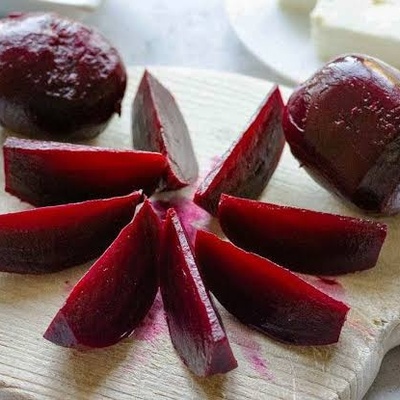
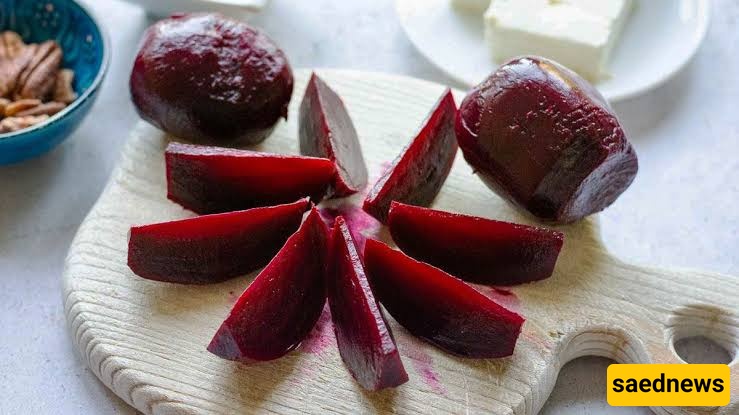
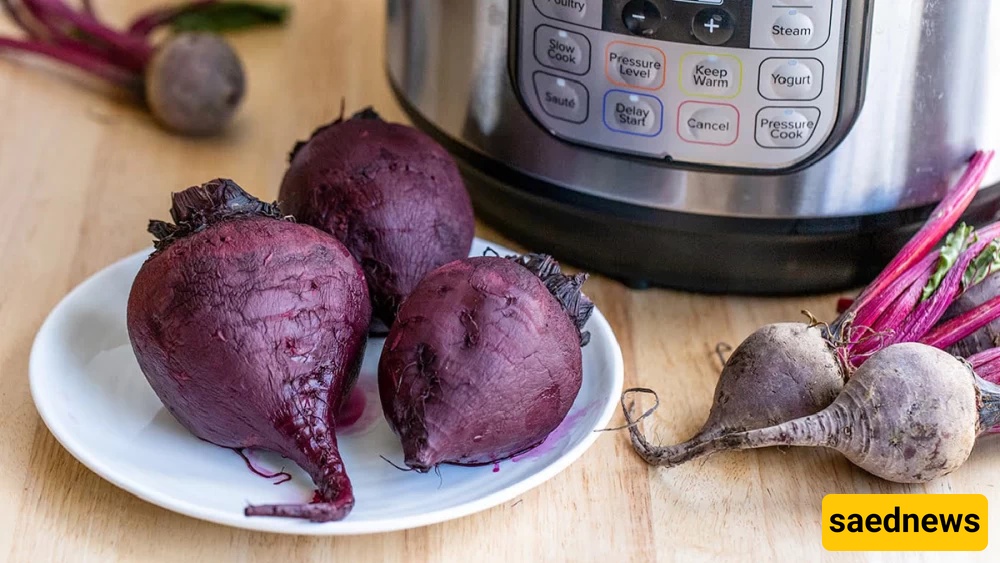
SAEDNEWS: Cooked beetroot is one of the most popular foods during the winter season. Thanks to its naturally sweet taste and numerous health benefits, it holds a special place in many people’s diets. However, some people avoid eating beetroot because it is traditionally considered a “cold-natured” food. So, what can be done?
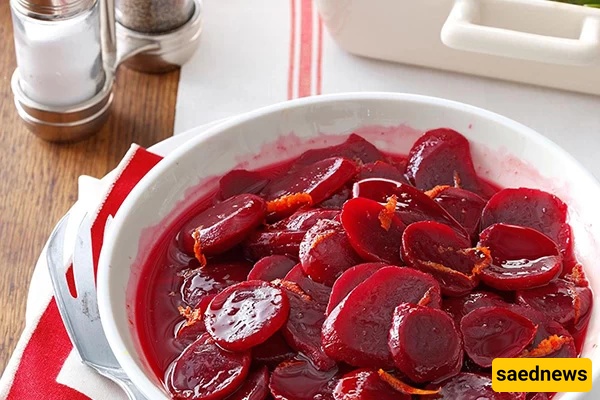
According to Saednews, Beetroot is also a popular and delicious street food. During the colder months, you can often find vendors selling hot cooked beetroot from carts in different parts of Iran. It is an affordable treat that people can easily buy and enjoy while walking outdoors, helping them warm up during the cold winter weather.
However, despite its popularity, cooked beetroot can cause digestive discomfort for some people. Some may experience stomach pain, bloating, or difficulty digesting it after eating. This has led to the common belief that beetroot has a “cooling” nature and raises the question: How can you reduce the cooling effects of beetroot?
In traditional medicine, foods are classified according to their perceived nature as warm, cold, dry, or moist. According to this system, cooked beetroot, commonly known as laboo, is considered moderate in nature, while raw beetroot is considered warm and moist.
Therefore, the claim that cooked beetroot is inherently cold is not entirely accurate. Nevertheless, some people may experience discomfort after eating it due to individual differences, dietary habits, or digestive sensitivity.
The sensation of coldness or digestive discomfort after eating beetroot can have several causes. In many cases, other foods consumed alongside beetroot may contribute to the problem. Common reasons include:
A naturally cold and moist constitution: According to traditional medicine, people with a cold and moist constitution may feel heaviness or coldness after eating beetroot.
Eating too much: Large amounts of beetroot, particularly in people who are sensitive to it, may cause bloating or digestive discomfort.
Combining it with other “cold” foods: Eating beetroot together with foods such as cucumber or yogurt may increase the perceived sensation of coldness.
Individual sensitivity: Some people may be more sensitive to certain foods because of genetic factors or other individual characteristics.
If you experience discomfort after eating beetroot, several traditional approaches may help make it easier to consume.
Beetroot can be prepared in several ways, including boiling, steaming, or roasting. Regardless of the cooking method, making sure that it is thoroughly cooked is considered one way to reduce its perceived cooling effect.
Cooked beetroot already has a naturally sweet and pleasant flavor, so it does not necessarily need additional seasoning. However, if you want to enhance its flavor, traditional food practices recommend adding warming spices such as ginger, cinnamon, black pepper, or turmeric.
Adding ingredients such as honey or rock candy is not only intended to make beetroot sweeter or improve its appearance. According to traditional dietary practices, these ingredients are also believed to help balance its nature.
You can pair cooked beetroot with honey, rock candy, grape molasses or other fruit syrups, walnuts, almonds, sesame seeds, or tahini.
One of the simplest ways to avoid unwanted effects is to consume beetroot in moderate amounts. Like many other foods, excessive consumption may cause side effects in some people.
One reason moderation is sometimes recommended is the presence of oxalates in beetroot. Oxalates may increase the risk of kidney stone formation in people who are susceptible to kidney stones. Eating large quantities may also cause bloating or digestive discomfort in some individuals.
People with liver problems should also be cautious about consuming large amounts of beetroot.
Cooking beetroot may reduce its oxalate content, making cooked beetroot a preferable option for people who tolerate it better this way. It can also be combined with other vegetables and fruits to create a more balanced meal.
Adding a small amount of lemon juice or vinegar while cooking beetroot or after it has been prepared can enhance its flavor. In traditional dietary practices, lemon juice and vinegar are also considered useful for balancing the perceived cooling nature of beetroot.
Although beetroot offers many nutritional benefits, excessive consumption may cause problems for certain people. It may be better to exercise caution if you:
Have digestive conditions such as irritable bowel syndrome (IBS)
Are particularly sensitive to foods considered “cold” in traditional medicine
Experience increased sensitivity or digestive discomfort during menstruation
Overall, cooked beetroot does not need to be considered inherently “cold.” If it causes digestive discomfort, eating smaller portions, cooking it thoroughly, and pairing it with other foods may make it easier to tolerate.