SAEDNEWS: In this article, we will explore the various uses of margarine and discuss whether it can be considered a suitable alternative to butter.
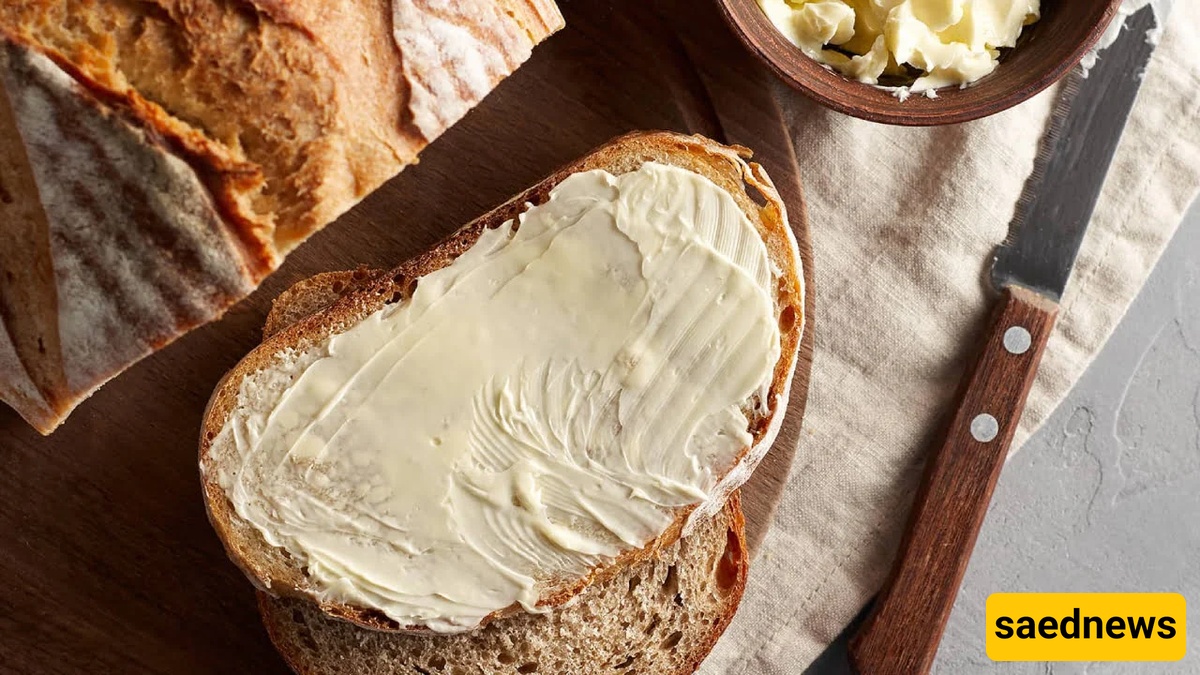
According to Saednews, As a food that has been available for several centuries, margarine is often associated with breakfast and bread. Although margarine can make toast considerably more flavorful, many people also use it in everyday recipes to give their dishes a different taste and texture.
Beyond its appealing flavor, margarine also contains several notable nutrients. Vitamins A, D, and E, essential fatty acids, and omega-3 and omega-6 fatty acids are among the key components found in margarine. For this reason, it may be worth incorporating margarine into a variety of dishes. Here are several interesting ways to use it.
Almost everyone loves snacks such as chocolate chip cookies and coffee biscuits, especially as the New Year approaches. To get the best results when making snacks, choose firm margarine, as soft margarine can result in cookies that are too thin and lack structure.
Adding a little margarine to biscuits and cookies can give them a crispier texture and a more pleasant flavor. When baking with margarine, keep in mind that it melts faster than regular butter.
There are countless ways to prepare fish. Whether you want to make fish cakes or grilled trout, margarine can be useful when seasoning and flavoring fish. If you decide to fry or sauté fish, make sure the temperature remains moderate so that the margarine does not burn and lose its flavor.
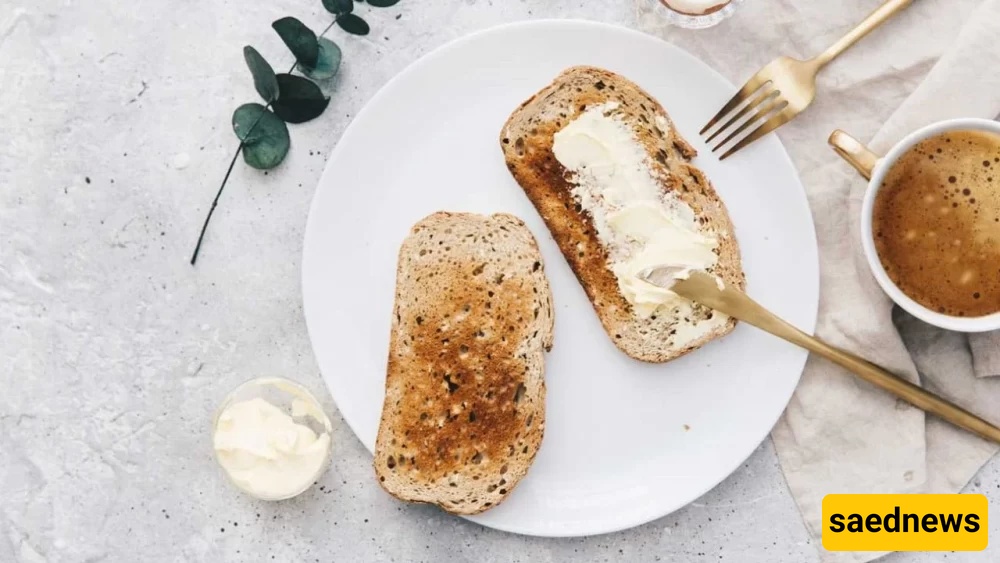
Both children and adults love starting their morning with pancakes, and margarine can make this popular breakfast even more enjoyable. When making pancakes, use melted margarine and mix it with the milk. This is one of the most practical ways to use margarine instead of butter, and you can easily notice the difference in the pancakes' flavor.
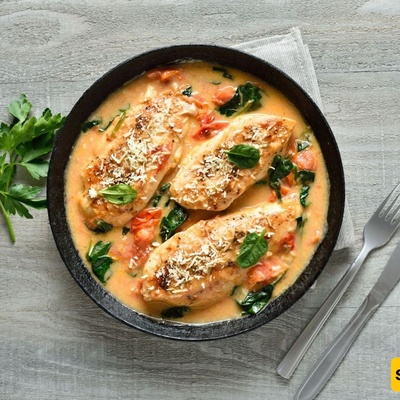
When preparing homemade tomato sauce, let the margarine melt in a pan before adding the onions. Sautéing softens the onions and prepares them for the remaining ingredients. This sauce pairs wonderfully with Italian pasta, and the flavor of the margarine will be noticeable without overpowering the dish.
Whether you spread margarine over a croissant or use it as one of the ingredients, the result can be excellent. French bakers used margarine to make croissants for a long time, although this type of croissant has a somewhat different shape from the classic crescent-shaped version.
Whether you have dietary restrictions or are simply looking for an alternative to butter, you may wonder whether margarine can be used instead of butter in baking. In general, yes. Margarine can replace butter in many breads and baked goods unless a recipe specifically states otherwise.
If you decide to use margarine for baking bread and pastries, there is usually no need to change the quantity. In other words, if a recipe calls for one cup of butter, you can generally use one cup of margarine instead.
Margarine can be used as an alternative to butter, but what are the potential advantages?
Whether margarine is healthier than butter depends on the specific product and its ingredients. Some margarines contain less saturated fat than butter, which may make them a preferable option for people who are trying to reduce their saturated-fat intake.
It is important to check the type of margarine you buy. Read the ingredient and nutrition labels carefully and choose a product that fits your dietary needs.
Some margarines, but not all, are suitable for vegan diets. If you are looking for a completely plant-based alternative to butter, you may find suitable options among different types of margarine.
Always check the ingredients, as some margarines contain dairy ingredients such as milk or casein.
Margarine is sometimes referred to as plant-based butter. While the term can be used informally, plant-based butter is a broader category that includes several types of butter alternatives.
When it comes to baking, margarine can sometimes produce baked goods that are softer and more tender than those made with butter. If you want to make soft cookies, sponge cakes, peanut brownies, or other homemade desserts, margarine may be worth considering.
Like most ingredients, margarine has both advantages and disadvantages. Here are some potential drawbacks to keep in mind.
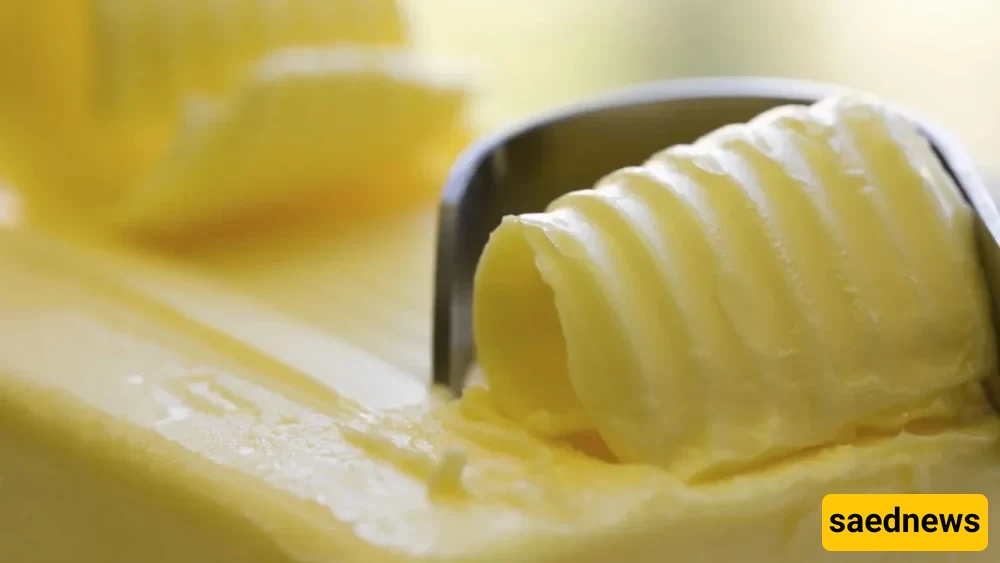
Although the health effects of margarine depend heavily on its formulation, margarine is generally a more highly processed product than butter. Some varieties contain numerous additional ingredients, while butter typically has a much simpler composition.
For this reason, it is a good idea to check the ingredient list before choosing a margarine.
Many people associate desserts with rich, thick, indulgent textures. Butter can contribute significantly to this richness and creaminess.
Margarine can behave differently. While it can work well in many recipes, it may provide less richness and a different mouthfeel compared with butter. If richness is important to your recipe, this difference may be noticeable.
Margarine can generally be used in a wide variety of foods, but its higher water content compared with butter can affect baking. When margarine is used in pastries and baked goods, the additional moisture can change the texture and spread of the dough.
However, this is not necessarily a disadvantage. The extra moisture can sometimes result in cookies with a crispier texture.
Overall, margarine can be a versatile ingredient for cooking and baking. Whether it is the right choice for you depends on the recipe, the specific type of margarine, and your dietary preferences.