SAEDNEWS: Small, bland meals and easy-to-tolerate foods may help pregnant women manage days when nausea is more intense while maintaining fluid and nutrient intake.
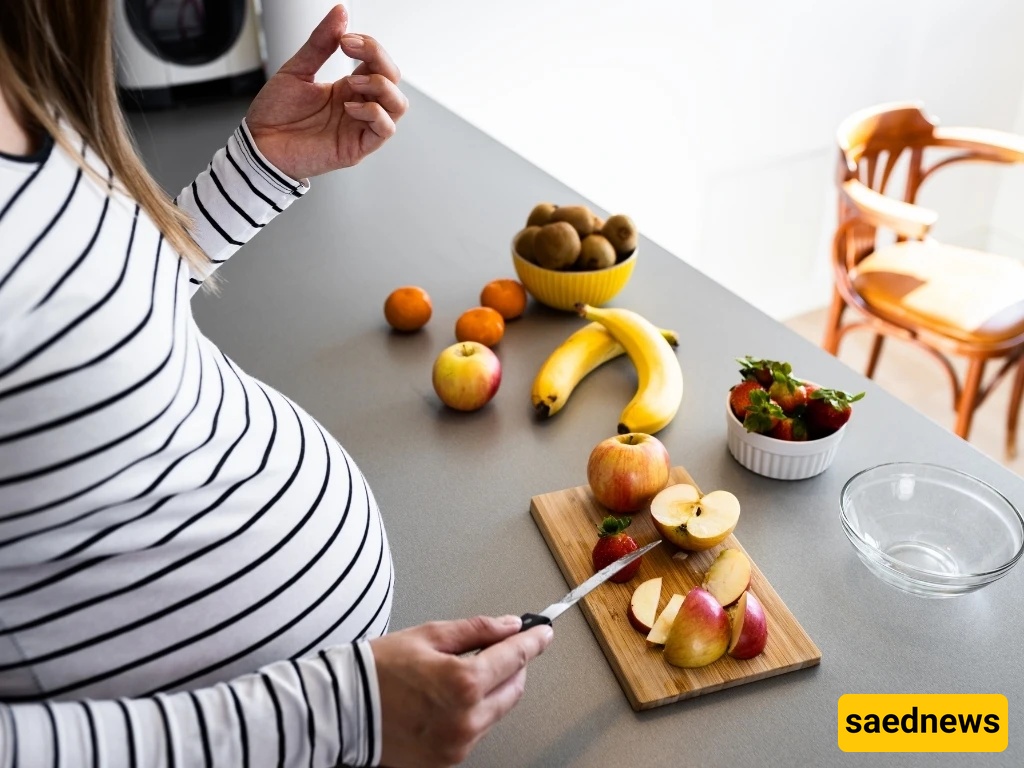
According to SAEDNEWS, pregnancy nausea can become more difficult on some days, making large meals or strongly flavored foods harder to tolerate. Instead of forcing a full meal, eating small amounts more frequently may be easier. Foods that are relatively plain, low in strong odors, and easy to digest can be practical choices when nausea is at its worst.
When appetite is low, the goal is not to eat a large amount at once but to find foods that can be tolerated. Options may include:
Plain toast or crackers
Rice or plain potatoes
Oatmeal
Bananas
Applesauce
Plain yogurt
Soup with mild ingredients
Well-cooked vegetables
Eggs, if their smell and texture are tolerated
Nuts or nut butter in small amounts, when comfortable
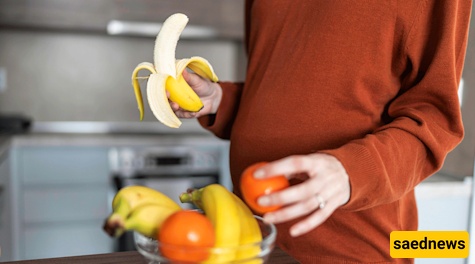
Dry foods such as crackers or toast may be easier to tolerate before getting out of bed for some people. Keeping a small portion nearby can make it easier to eat something before nausea becomes stronger.
Large meals can feel overwhelming when the stomach is unsettled. A more manageable approach is to divide food into several small portions throughout the day. Combining a carbohydrate with a source of protein can also provide more lasting nourishment. For example, toast with nut butter, oatmeal with yogurt, or a small portion of rice with an egg may be easier to manage than a large meal.
Cold or room-temperature foods can sometimes be more comfortable because they may produce less smell than hot foods. If cooking odors trigger nausea, choosing foods that require little preparation can make eating easier.
Maintaining fluid intake is particularly important when nausea is accompanied by vomiting. Taking small, frequent sips of water may be easier than drinking a large amount at once. Some people may also tolerate fluids better between meals rather than with food. If drinking is difficult, trying different temperatures or mild flavors may help identify an option that is easier to tolerate.
If nausea or vomiting becomes severe enough that keeping fluids down is difficult, medical advice is important. Persistent vomiting during pregnancy can lead to dehydration and may require professional assessment.
There is no single food that works for everyone with pregnancy nausea. Smells, textures, meal sizes, and individual food preferences can all affect tolerance. On particularly difficult days, choosing a few foods that are manageable and eating small amounts regularly may be more realistic than trying to follow a normal meal pattern.
Severe or persistent vomiting, signs of dehydration, inability to keep food or fluids down, fainting, significant weight loss, or other concerning symptoms should be discussed promptly with a healthcare professional. Pregnancy nutrition needs also vary between individuals, so ongoing difficulty eating should not be managed through dietary changes alone.