SAEDNEWS: This article provides a comprehensive look at the benefits of maple syrup, from supporting heart health and the immune system to promoting youthful-looking skin.

According to Saednews, Maple syrup is a natural sweetener obtained from the sap of the sugar maple tree (Acer saccharum). The sap is typically amber to brown in color and is mainly produced in Canada and the United States.
Because maple syrup undergoes relatively little processing, it is considered a natural food. During production, the collected sap is boiled to remove excess water and concentrate its sugars and flavor.
Research suggests that pure maple syrup may offer some nutritional advantages over refined sugar because it contains small amounts of minerals, amino acids, antioxidants, and other plant compounds. However, it is still high in sugar and should be consumed in moderation.
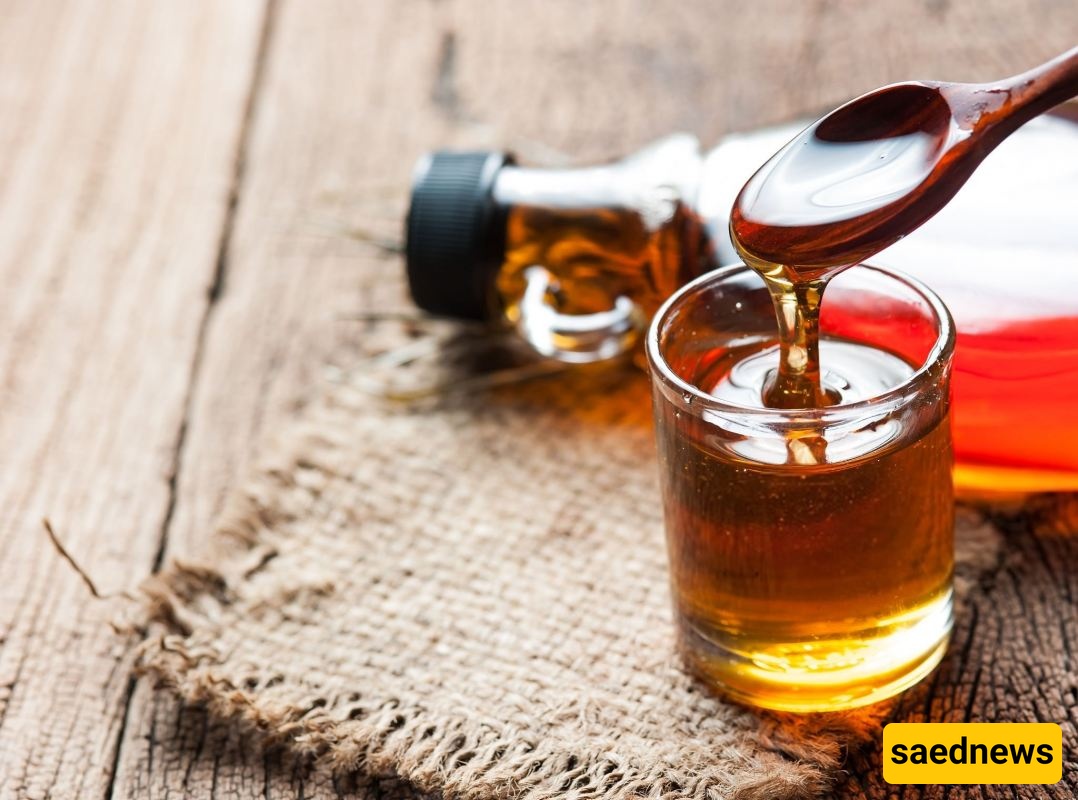
One tablespoon (20 grams) of pure maple syrup contains approximately:
52 calories
12 grams of sugar
Small amounts of minerals such as manganese, zinc, calcium, potassium, magnesium, and iron
Maple syrup also contains various antioxidant compounds, which may contribute to some of its potential health benefits.
Its glycemic index is generally lower than that of table sugar, meaning it may cause a somewhat slower rise in blood glucose. Nevertheless, maple syrup remains a concentrated source of sugar.

Pure maple syrup contains numerous antioxidant compounds. Antioxidants help protect cells from oxidative stress caused by free radicals, which can contribute to cellular damage and aging.
Maple syrup contains small amounts of minerals, particularly manganese and zinc. These nutrients play important roles in normal metabolism, immune function, and cellular processes.
However, its relatively high sugar content means maple syrup should not be considered a major source of minerals.
The antioxidants found in maple syrup may help reduce oxidative stress associated with aging. Some people also use maple syrup in homemade skin treatments, although there is limited scientific evidence that applying maple syrup directly to the skin provides significant anti-aging benefits.
Maple syrup is a simple source of carbohydrates and is generally easy to digest. Replacing some refined sugar with maple syrup may be preferable for people who tolerate it well, although it should not be considered a treatment for digestive problems.

Maple syrup provides small amounts of zinc and manganese. Zinc is important for normal immune-system function, while manganese contributes to antioxidant defenses and other metabolic processes.
However, maple syrup should not be relied upon as a treatment or prevention method for colds and infections.
Pure maple syrup contains potassium and zinc, nutrients involved in normal cardiovascular function. Potassium, in particular, helps maintain normal muscle and nerve function, including the heartbeat.
Because maple syrup is still high in sugar, excessive consumption would not be considered heart-healthy.
The antioxidant compounds and minerals present in maple syrup may contribute to the body's normal defenses. Zinc is especially important for maintaining normal immune function.

Maple syrup contains phenolic compounds and other antioxidants that have demonstrated biological activity in laboratory research. Some experimental studies have investigated their effects on cancer-related cellular processes.
However, this does not mean that eating maple syrup prevents or treats cancer. More research, particularly in humans, is needed.
Pure maple syrup generally has a lower glycemic index than table sugar. This means it may raise blood glucose more slowly than an equivalent amount of some refined sugars.
Nevertheless, maple syrup still contains substantial amounts of sugar, so people with diabetes should account for it as part of their overall carbohydrate intake.

Certain compounds found in maple sap and syrup, including abscisic acid, have been investigated for their potential effects on glucose metabolism and insulin sensitivity.
Early research is interesting, but there is not enough evidence to conclude that maple syrup can prevent or treat diabetes.
Zinc and manganese are involved in several processes related to reproductive and hormonal health. Maple syrup contains small amounts of these minerals.
However, consuming maple syrup should not be regarded as a treatment for reproductive or prostate conditions.
Some compounds in maple syrup have been studied for their potential prebiotic effects, meaning they may influence beneficial microorganisms in the digestive tract.
More human research is required to determine whether the amounts consumed through a normal diet have meaningful effects on gut health.
Pure maple syrup provides a small amount of iron, which is necessary for producing hemoglobin and transporting oxygen throughout the body.
However, maple syrup is not an effective treatment for iron-deficiency anemia. Foods such as meat, legumes, leafy greens, and iron-fortified foods are much better sources.
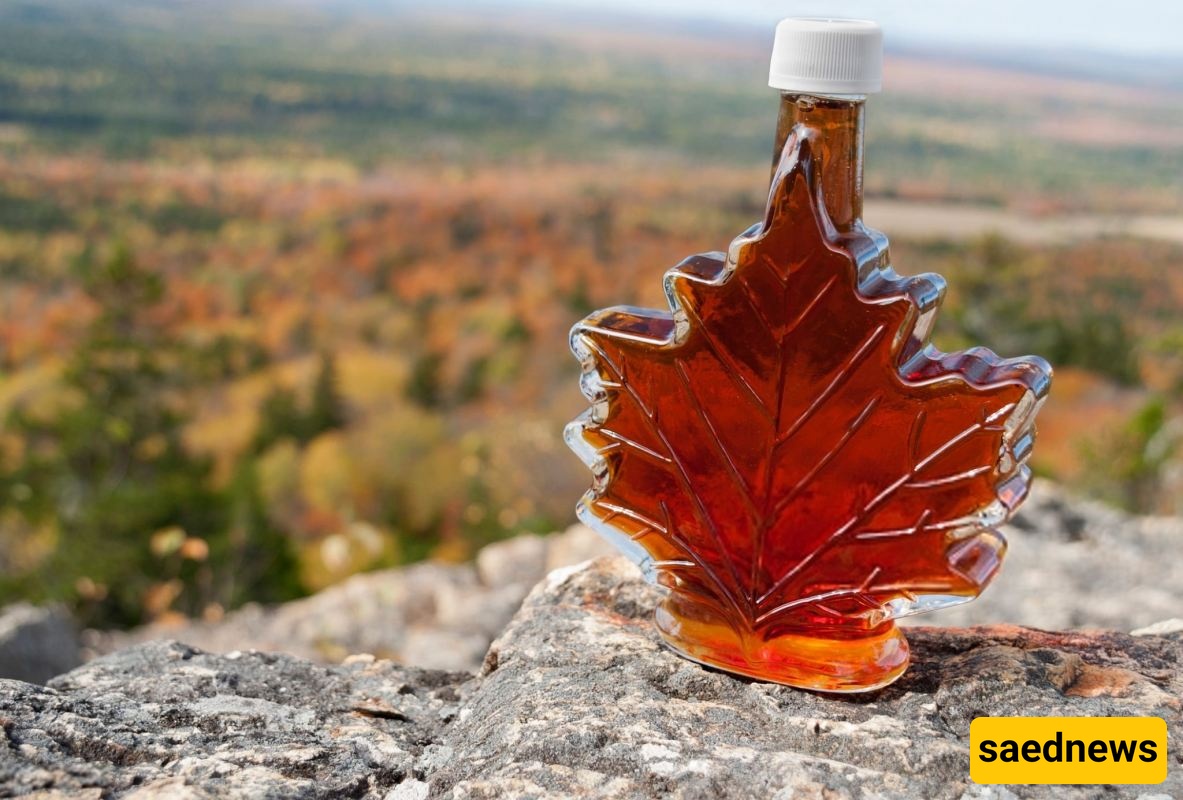
The antioxidant compounds in pure maple syrup may have potential benefits for skin health. Some people use maple syrup as an ingredient in homemade facial masks.
Evidence for applying maple syrup directly to the skin remains limited, and it may cause irritation in some individuals.
Some compounds in maple syrup have demonstrated antioxidant and anti-inflammatory activity in laboratory research. These properties have generated interest in maple syrup as a source of potentially beneficial plant compounds.
However, maple syrup should not be used as a treatment for acne or inflammatory skin conditions.
Pure maple syrup can be a flavorful alternative to refined sugar and provides small amounts of minerals and antioxidant compounds. However, it is still a high-sugar food, so moderation is important.
The strongest evidence supports viewing maple syrup as a natural sweetener with some additional nutrients—not as a medicine or treatment for cancer, diabetes, infections, anemia, or other diseases.