SAEDNEWS: With this expert recipe, prepare a rich, crystal-clear, and aromatic orange syrup with no bitter aftertaste. Learn the essential tips for preventing crystallization and extending its shelf life.
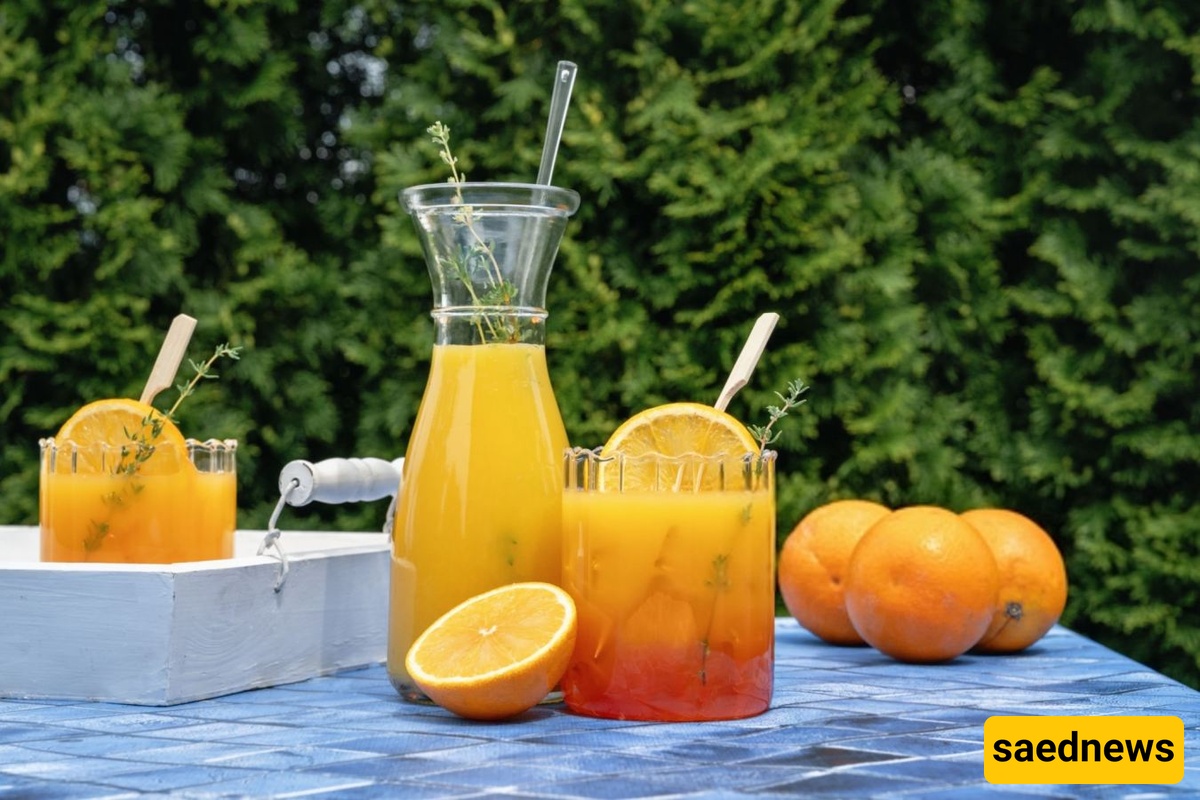
According to Saednews, Orange syrup is one of Iran’s most traditional and beloved homemade beverages. It is especially popular during iftar and hot summer days, but it is also a beautiful choice for serving guests on special occasions.
With its refreshing citrus aroma, golden color, and the natural goodness of fresh oranges, this syrup has become a favorite homemade drink. However, two common problems can affect the result: an unpleasant bitterness caused by the white part of the orange peel and a syrup that is too thin to deliver a rich flavor.
This guide explains how to make a thick, fragrant, clear, and completely balanced orange syrup at home, along with practical tips for achieving the best texture and flavor.
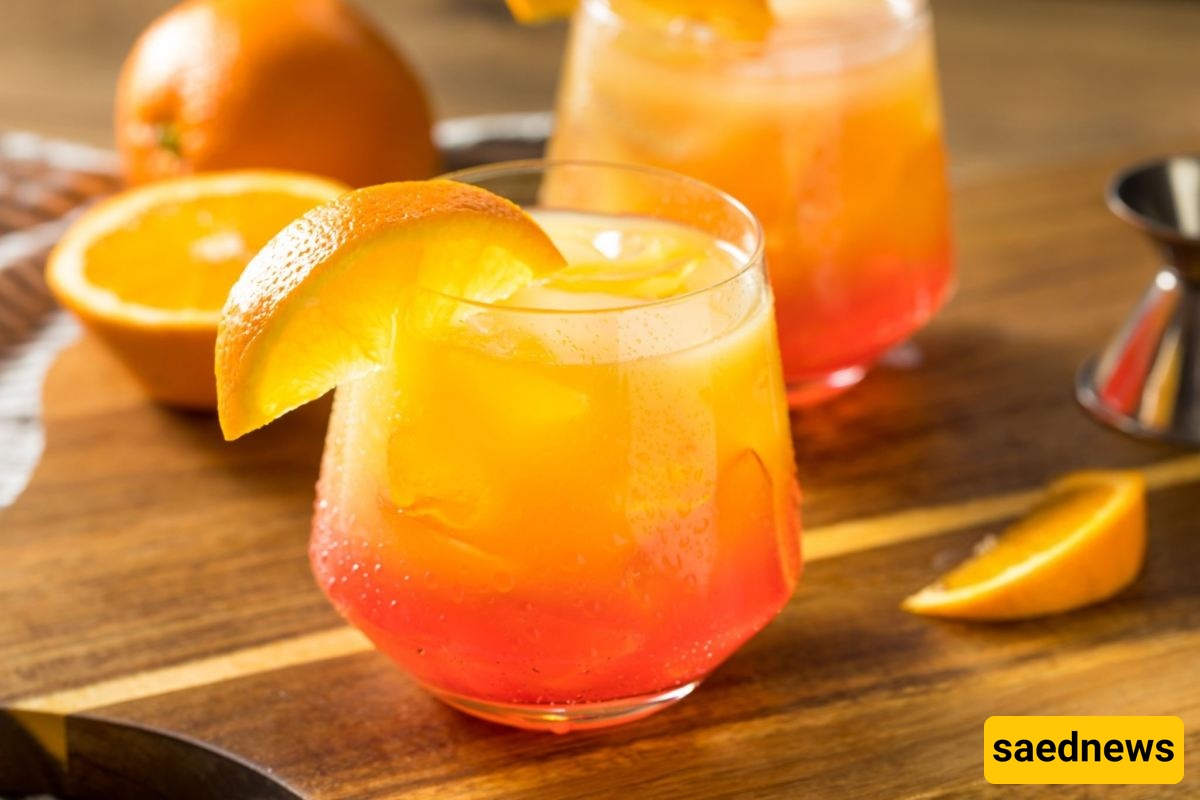
For a high-quality orange syrup, use fresh ingredients. The quality and sweetness of the oranges will have a major impact on the final result.
5 large fresh oranges with thick peels — about 1 kg. Sweet, juicy varieties such as Valencia or Thomson oranges work well.
2 cups white sugar — about 400 g. Brown sugar can also be used for a deeper, caramel-like flavor.
2 cups water — about 500 ml.
2–3 tablespoons fresh lemon juice — helps balance the sweetness and reduce crystallization.
Optional: rose water, cardamom, saffron, or fresh mint for additional aroma.
Prepare the orange zest:
Wash and dry the oranges thoroughly. Finely grate the zest from two oranges, taking only the orange-colored outer layer. Avoid the white pith, as it is the main source of bitterness. Set the zest aside.
Extract the juice:
Cut the oranges in half and squeeze out the juice using a juicer. If you do not have a juicer, squeeze them by hand, taking care to remove seeds and excessive pulp. You will need approximately 2½ cups of fresh orange juice.
Make the sugar syrup:
Pour the water and sugar into a suitable saucepan and place it over medium-low heat. Stir until the sugar has completely dissolved. Add the grated orange zest.
Infuse the orange flavor:
Bring the mixture to a boil, then reduce the heat and allow it to simmer gently. This helps release the citrus aroma into the syrup.
Add the orange juice:
After about 5 minutes of gentle simmering, add the fresh orange juice and lemon juice. Increase the heat slightly until the mixture reaches a boil, then reduce the heat again.
Simmer until thickened:
Allow the syrup to simmer gently for approximately 35–45 minutes. Remove any foam that forms on the surface with a spoon. This helps produce a clearer and more attractive syrup.
Check the consistency:
The syrup should be thick and syrupy, but not as thick as honey. Place a spoonful on a cold saucer. If it has a slightly elastic, syrup-like consistency and does not run quickly, it is ready.
Avoid overcooking because the syrup will become thicker as it cools.
Cool and strain:
Remove the saucepan from the heat and allow the syrup to cool completely. Pass it through a fine strainer or clean cloth to remove the orange zest and any remaining particles.
Store properly:
Transfer the strained syrup to a clean, dry glass bottle. The bottle should be thoroughly sterilized and completely dry to help extend the syrup's shelf life.
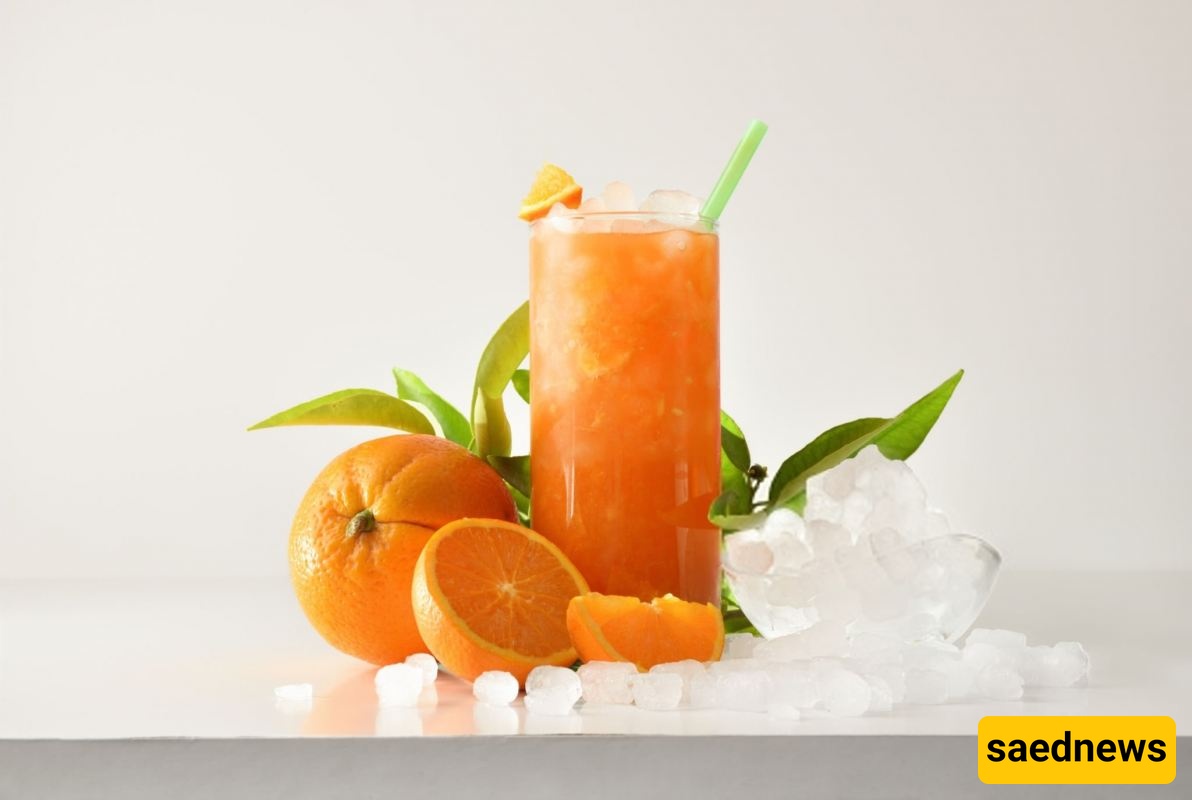
Bitterness is one of the most common challenges when making orange syrup. Fortunately, a few simple techniques can make a significant difference.
When zesting or peeling the oranges, use only the thin orange-colored layer. The white inner layer contains bitter compounds, including naringin, which can negatively affect the flavor.
Freshly squeezed juice generally produces a better-tasting syrup than old or processed orange juice. Choose fresh, juicy oranges for the best results.
Simmering the zest in the sugar mixture helps release its aroma, but prolonged cooking can increase unwanted bitterness. If the syrup starts tasting too bitter, remove the peel earlier.
Lemon juice helps balance the flavor and can also improve the appearance of the syrup while reducing the likelihood of sugar crystallization.
A common mistake is to assume that longer cooking automatically produces better, thicker syrup. Excessive cooking can reduce the fresh orange aroma and make the color darker.
Keep these tips in mind:
Maintain a balanced sugar-to-water ratio: Two cups of sugar to two cups of water provide a good starting point. For a thicker syrup, an additional ½ cup of sugar can be added toward the end of cooking.
Use the spoon test: Coat a wooden spoon with syrup. If a thin layer remains on the spoon instead of immediately running off, the syrup is approaching the right consistency.
Remember that cooling thickens the syrup: Do not wait for the syrup to reach its final thickness while it is still hot.
Dilute before serving: The concentrated syrup can be mixed with cold water or mineral water when serving.
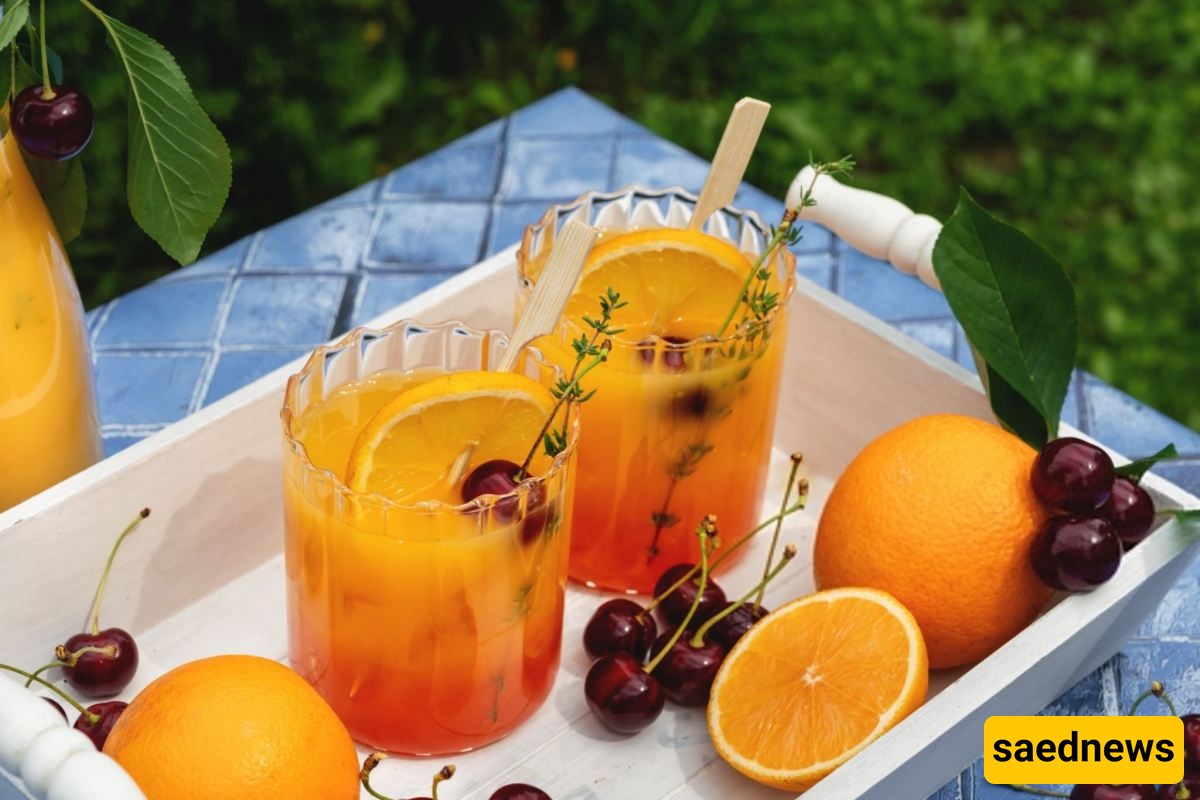
The basic recipe can easily be customized with different ingredients.
Add a few strands of brewed saffron for a luxurious aroma, beautiful color, and a distinctly Persian character.
Add about one tablespoon of rose water during the final five minutes of cooking. This gives the syrup a delicate floral fragrance.
Crush a few fresh mint leaves and add them to the syrup. Strain the syrup before serving for a refreshing, cooling flavor.
Crushed cardamom pods or a cinnamon stick can add a warm, spiced character that is especially suitable for autumn and winter.
Orange syrup is more than just a refreshing drink. Oranges provide vitamin C and various antioxidants, including flavonoids. They also contain potassium, an important mineral that contributes to normal blood pressure regulation.
In traditional Persian medicine, orange-based drinks have been regarded as refreshing beverages that may help stimulate the appetite and relieve feelings of physical and mental fatigue.
However, because this recipe contains a significant amount of added sugar, it should be enjoyed in moderation. People with diabetes should be particularly mindful of their intake and may consider an appropriate alternative sweetener.
Proper storage helps preserve the syrup's flavor and quality.
Store the syrup in a tightly sealed glass bottle.
Make sure the bottle is completely clean and dry.
Keep the syrup refrigerated.
Under proper refrigeration, homemade orange syrup can generally maintain good quality for around 2–3 weeks.
Always use a clean, dry spoon when serving to prevent contamination.
If sugar crystals develop, gently reheat the syrup with a small amount of boiling water until the sugar dissolves, then allow it to cool again.
Making homemade orange syrup is surprisingly simple when a few key techniques are followed. Fresh, juicy oranges, careful removal of the white pith, gentle cooking, and proper consistency testing are the secrets to achieving a fragrant and well-balanced syrup without excessive bitterness.
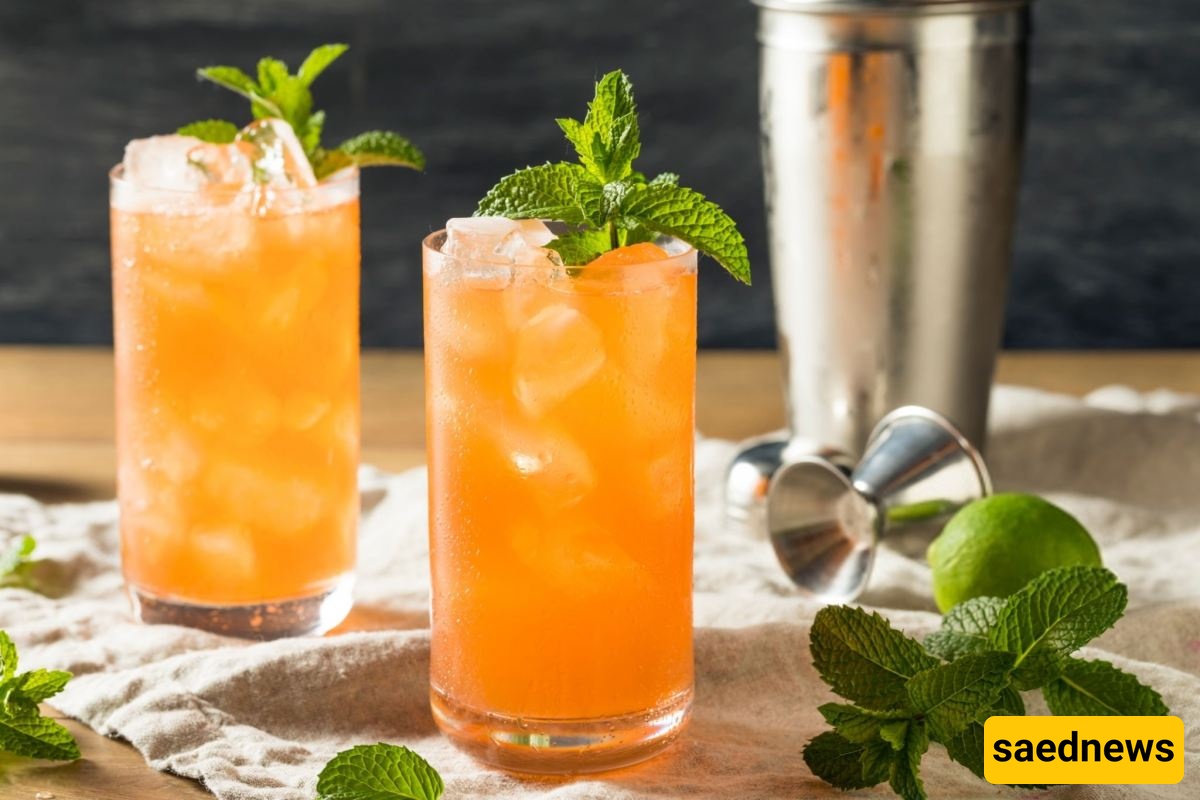
The result is a versatile homemade drink that can be served chilled with ice and fresh mint, mixed with cold water or sparkling mineral water, or offered as an elegant refreshment for guests.
A well-made orange syrup combines the bright flavor of fresh citrus with a rich, concentrated sweetness—making it a refreshing addition to both everyday meals and special occasions.