SAEDNEWS: Honey is known for its remarkable ability to remain fresh for a very long time. Its unique natural structure, low moisture content, and special chemical properties help protect it from spoilage. Understanding the science behind honey’s durability reveals why it has been valued as a long-lasting food for generations.
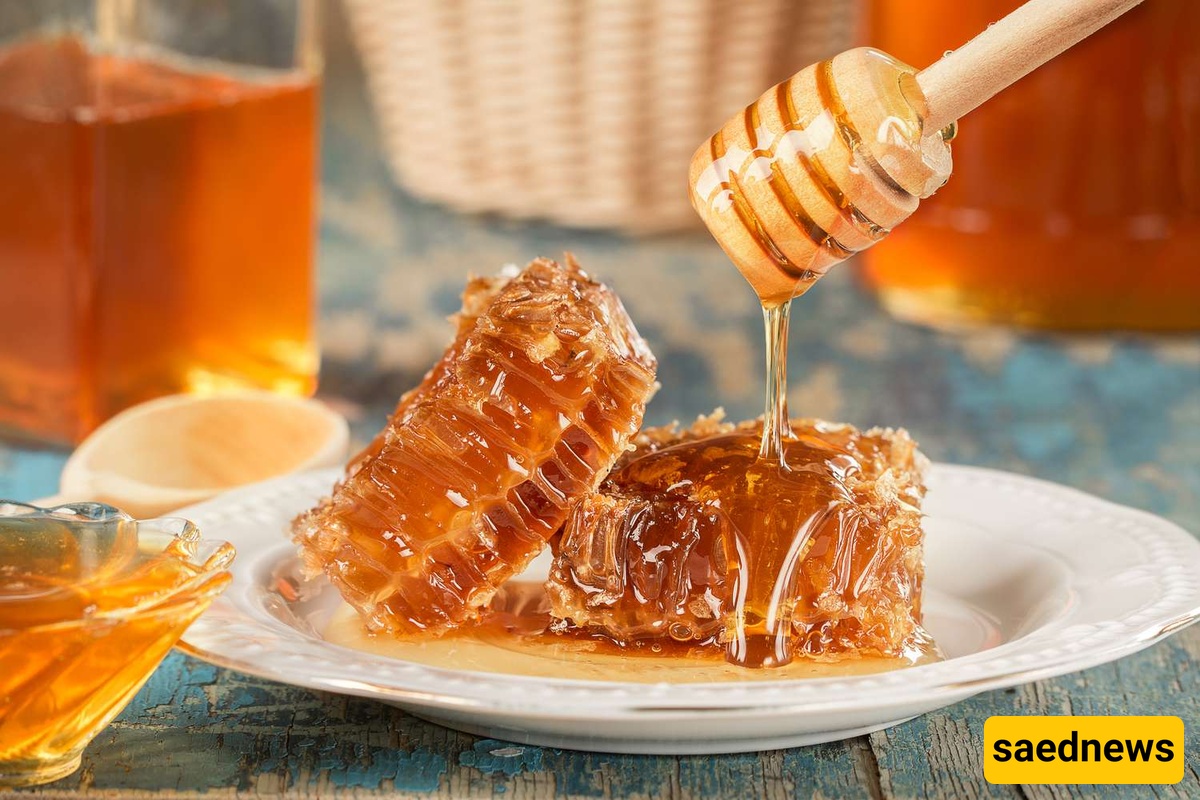
According to SAEDNEWS, honey has a special composition that allows it to maintain its quality for extended periods. Unlike many foods, honey contains very little water, making it difficult for microorganisms to grow. This natural feature plays an important role in preserving its taste, texture, and nutritional value.
One of the main reasons behind honey’s long shelf life is its low moisture level. Since most microorganisms need enough water to multiply, the dry environment inside honey limits their activity. This helps honey stay stable without quickly losing its freshness.
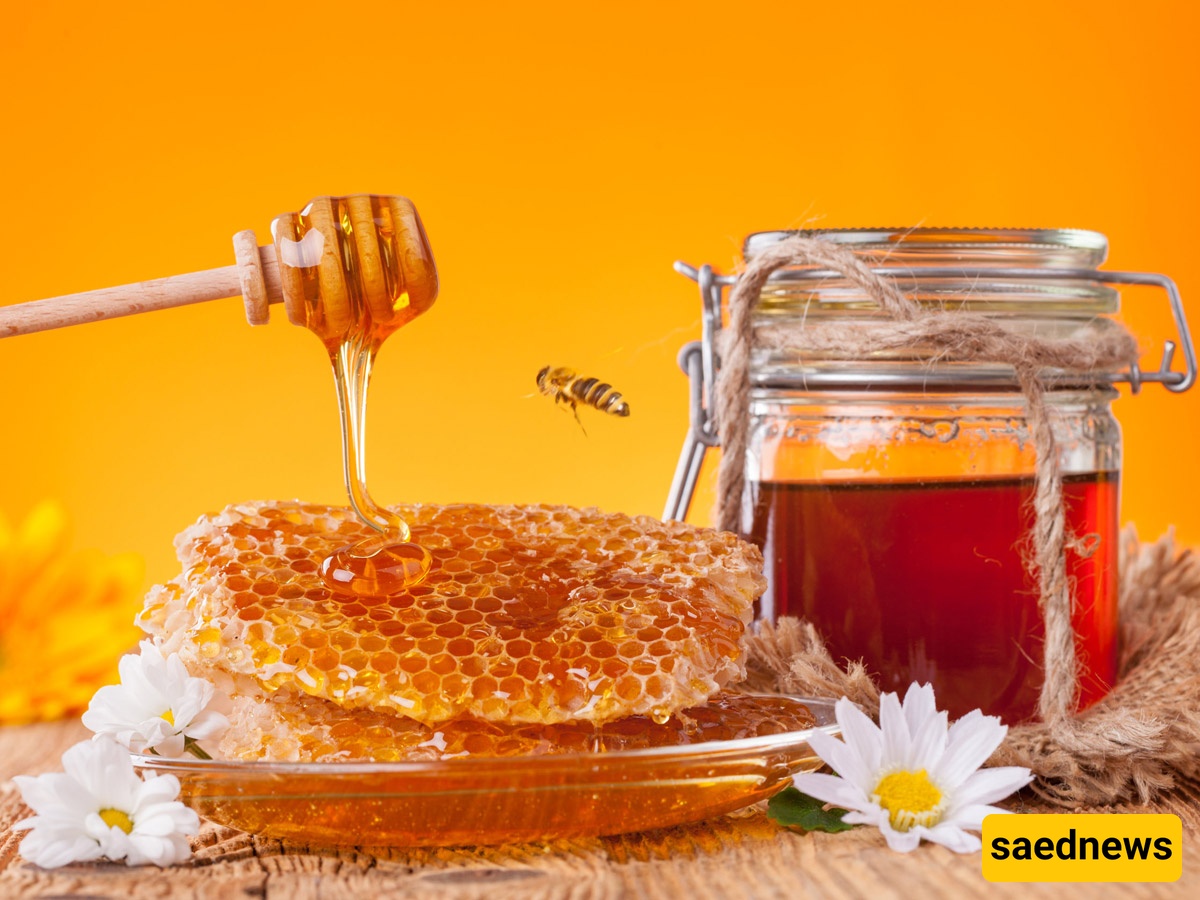
Honey naturally has a slightly acidic environment that supports its preservation. This acidity creates conditions that are less suitable for the growth of unwanted microorganisms. Together with other natural properties, it helps maintain honey’s quality over time.
Honey contains various natural compounds that contribute to its protective abilities. These elements help slow down changes that could affect its flavor and appearance. The combination of these compounds makes honey one of the foods with an exceptionally long storage life.
Although honey is naturally durable, proper storage is still important. Keeping it in a clean, closed container and protecting it from excessive heat and moisture can help preserve its original quality. With suitable conditions, honey can remain enjoyable for a very long time.
The long-lasting nature of honey is the result of several scientific factors working together. Its low water content, natural acidity, and unique composition create a protective environment that helps maintain freshness and quality for years.