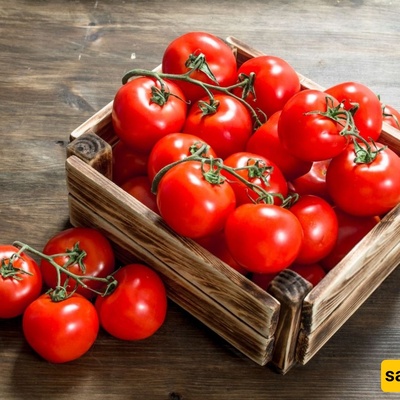
SAEDNEWS: Onion pasta is a light, aromatic, and completely plant-based meal made by sautéing onions, garlic, and tomatoes. It is an ideal choice for vegetarians and anyone who enjoys simple and quick dishes.

According to Saednews, Onion is one of the oldest and most widely used vegetables in the world, holding a special place in kitchens everywhere. This versatile ingredient adds a unique flavor to dishes and is rich in vitamins, minerals, and antioxidants. Pasta with onion sauce is a smart choice, as it is suitable for vegetarians and vegans and is also ideal for anyone looking for a light yet energizing meal.
To prepare this delicious plant-based dish at home, you only need simple and accessible ingredients that are often already available in the kitchen.
Olive oil – 2 tablespoons: Use high-quality, pure olive oil for better aroma and flavor.
Large onions – 4: Yellow or white onions work best for this sauce, although red onions can add a distinctive flavor.
Garlic – 2 cloves, crushed: Fresh garlic gives the sauce an excellent aroma and taste.
Tomato paste – 1 tablespoon: Thick, high-quality tomato paste enhances the color and flavor of the sauce.
Peeled tomatoes – 1 can (400 g): Canned peeled tomatoes work well, or you can use grated fresh tomatoes when they are in season.
Salt – 1 teaspoon: Adjust the amount according to your taste.
Ground black pepper – ½ teaspoon: Freshly ground pepper provides a stronger aroma.
Fresh basil, chopped – 1 tablespoon: Fresh oregano or parsley can also be used as an alternative.
Water – ¼ cup: Helps balance the consistency of the sauce.
Pasta – 500 g: Spaghetti, fettuccine, penne, or any pasta of your choice works well.
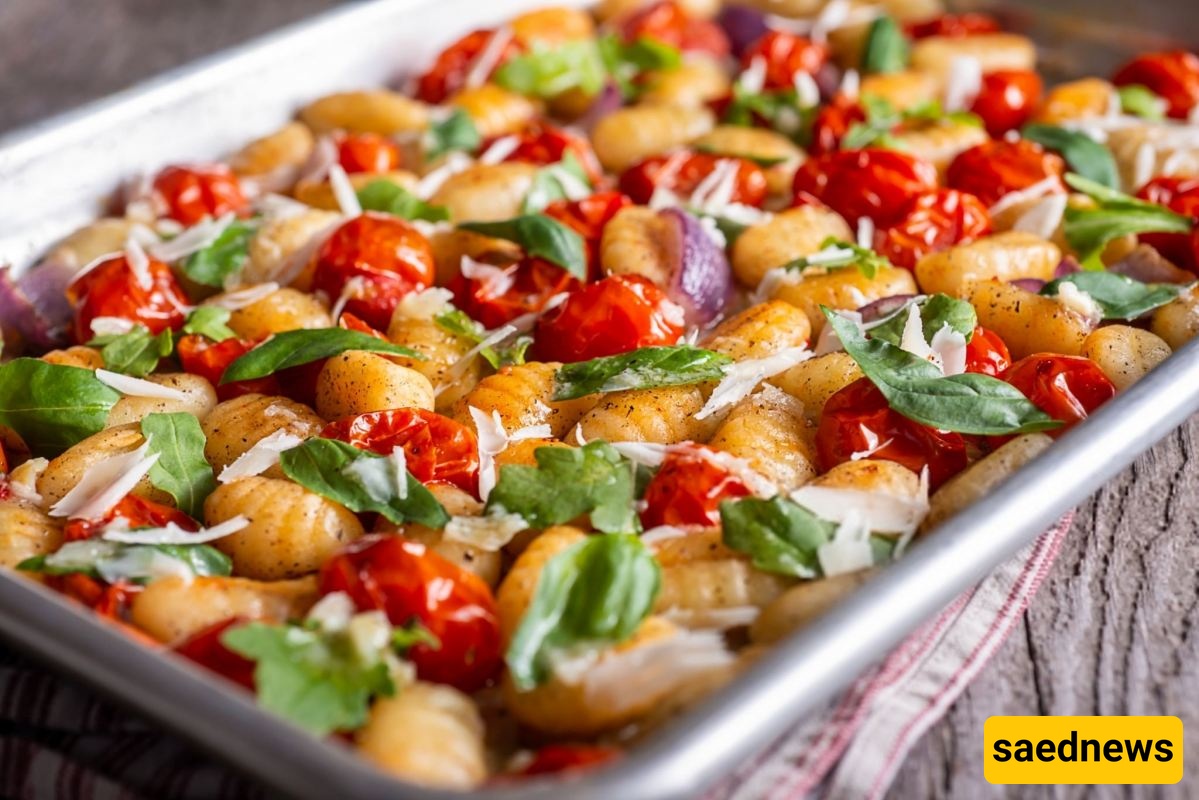
This flavorful pasta is very easy to prepare and can be ready in less than half an hour.
Clean and prepare all the ingredients. Slice the onions thinly into strips. If you prefer a smoother sauce, you can dice them instead. Crush or finely chop the garlic. Wash, dry, and finely chop the fresh basil.
Place a large pan or pot over medium heat. Add the olive oil and allow it to warm slightly. Add the sliced onions and garlic, then sauté for 10 to 15 minutes.
Keep the heat moderate. The onions should become soft and translucent and begin to turn golden. For a sweeter sauce, continue cooking until the onions caramelize and develop a deep golden-brown color.
Once the onions reach your desired level of softness, add the tomato paste and cook for one to two minutes to remove its raw taste and release more flavor.
Add the peeled tomatoes. If using canned tomatoes, crush them with a fork first for a smoother sauce. Mix well, then add the salt, black pepper, and half of the chopped basil.
Add the water and stir well. Cover the pot, reduce the heat, and let the sauce simmer gently for about 20 minutes. During this time, the sauce will thicken and the flavors will blend together.
If the sauce becomes too thick, add a small amount of hot water.
While the sauce is simmering, fill a large pot with water and bring it to a boil. For every 500 g of pasta, use approximately 4 to 5 liters of water.
Once boiling, add 1 tablespoon of salt. Add the pasta and cook according to the package instructions, usually 8 to 10 minutes depending on the type of pasta. Stir occasionally to prevent it from sticking together.
Once the pasta is cooked, drain off the excess water. Do not rinse the pasta with cold water.
Immediately add the hot pasta to the sauce and toss gently over low heat until the sauce coats the pasta evenly. Sprinkle the remaining fresh basil over the pasta and mix gently.
Your onion pasta is ready to serve. Enjoy it hot with a simple green salad or toasted bread. If desired, garnish with grated Parmesan or another cheese of your choice.

Choose the right onions: Large, sweet onions are ideal for this sauce. If the onions cause excessive eye irritation, soak them in cold water for about 20 minutes before cutting. Red onions are naturally sweeter and are a good option for those who prefer a milder flavor.
Cook the onions patiently: Allow the onions enough time to soften and caramelize properly. This gives the sauce a naturally sweet and rich flavor. Rushing this step may leave the sauce with a raw or slightly bitter taste.
Use pasta water: For a smoother and silkier sauce, replace the plain water with half a cup of reserved pasta water. Its starch helps the sauce cling better to the pasta and improves its consistency.
Add aromatic spices: In addition to salt and black pepper, you can add a little dried thyme, oregano, or paprika for extra depth of flavor.
Choose quality pasta: Long pasta such as spaghetti or linguine works particularly well, but short pasta such as penne also combines nicely with the sauce. Choose according to your preference, ideally using good-quality pasta with a rougher surface that absorbs the sauce more effectively.