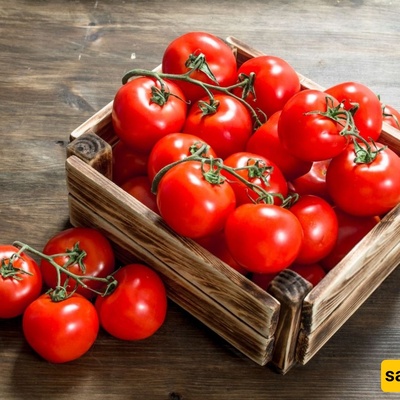
SAEDNEWS: A few seemingly harmless cooking habits can turn a quick pasta dinner into a greasy, heavy and disappointing meal. From using too much oil to throwing away starchy pasta water, these six mistakes can make a surprising difference in the final dish.
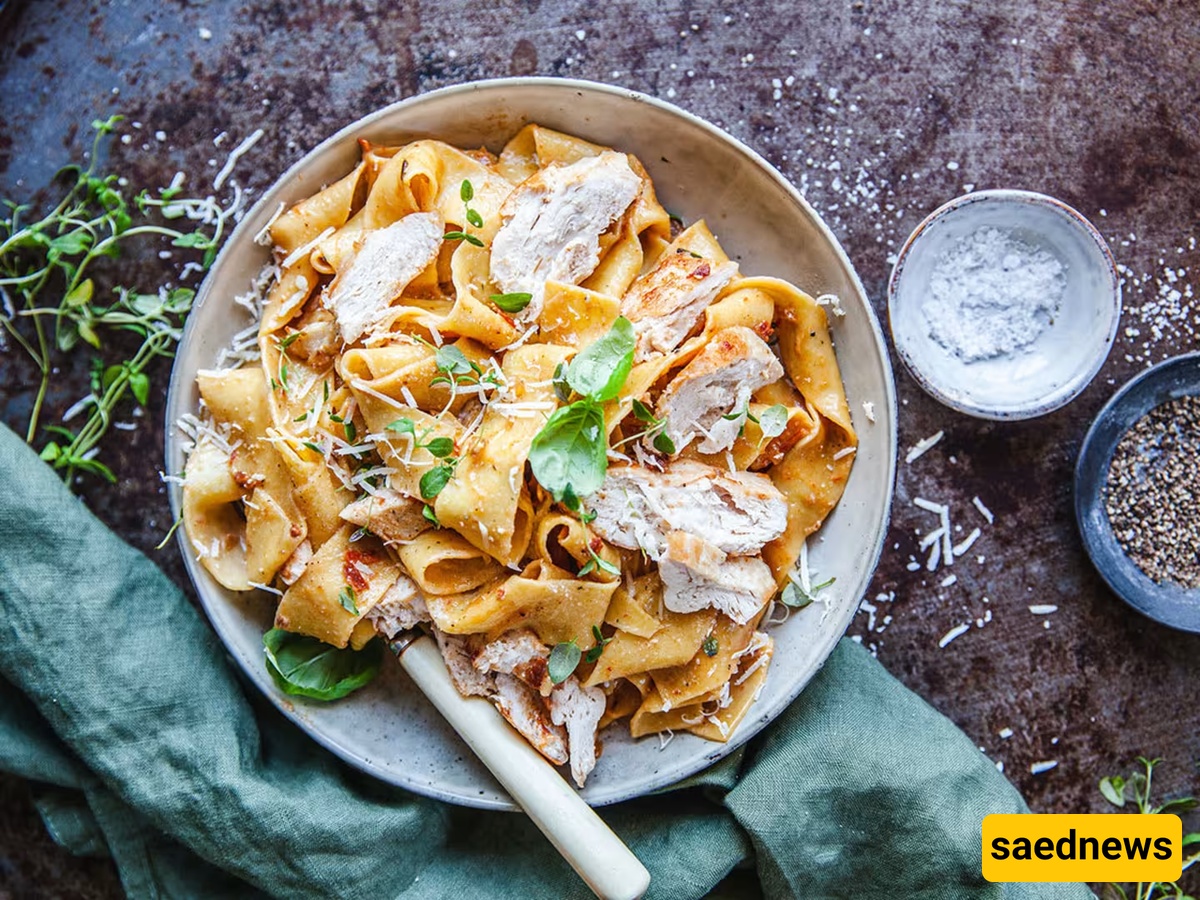
According to SaedNews: Pasta has a reputation for being one of the easiest meals to prepare: boil the pasta, make a sauce, combine the two and dinner is ready. Yet the simplicity of the dish can be deceptive. A few small mistakes in the kitchen can leave the final plate swimming in oil, weighed down by cream and cheese, or strangely bland despite all the ingredients that went into it.
The good news is that fixing these problems does not necessarily require a complicated recipe or expensive ingredients. In many cases, the key is simply changing how familiar ingredients are used.
Here are six common mistakes that can make pasta unnecessarily greasy and less flavorful—and what you can do instead.
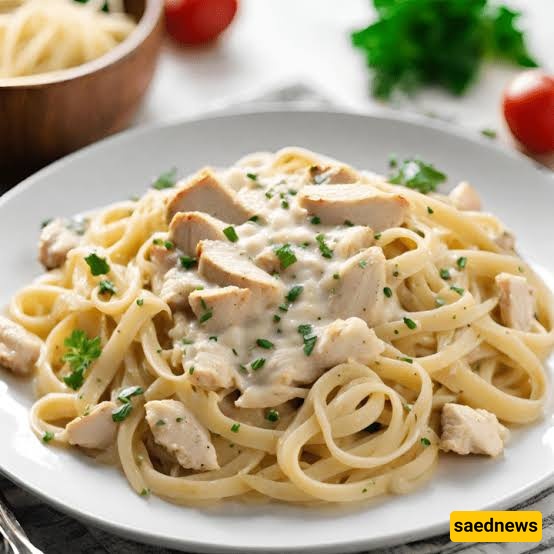
It is easy to assume that more oil means more flavor. In reality, excessive oil can work against the dish.
When too much oil is used while sautéing the ingredients, the finished pasta can become heavy and greasy. More importantly, an overly oily mixture can make it harder for the sauce to cling properly to the pasta, leaving the noodles and sauce feeling less integrated.
For sautéing the ingredients, a small amount of oil is generally enough. The goal is to help cook and flavor the ingredients rather than leave a layer of excess fat throughout the dish.
This is one of those cases where restraint can actually produce a better result.
One of the simplest ingredients in the kitchen is also one of the easiest to overlook: the water left behind after boiling pasta.
Because it contains starch released from the pasta, this water can help thicken and bring together a sauce. Adding a few spoonfuls to the sauce can give it a smoother, more cohesive texture.
That matters because it can reduce the temptation to add extra oil or cream simply to make the sauce thicker.
Instead of immediately draining the pasta and pouring all the cooking water down the sink, reserve some of it. A small amount can help transform the consistency of the sauce and allow it to coat the pasta more evenly.
Creamy pasta can be comforting and delicious, but more cream, butter and cheese do not automatically mean a better dish.
Using too much of these ingredients can make pasta excessively rich and greasy, eventually overwhelming the other flavors. The sauce may feel heavy rather than smooth and balanced.
There is a simple way to keep the creamy character while making the sauce lighter: part of the cream can be replaced with milk or some of the reserved pasta water.
This approach allows the sauce to remain soft and pleasant without relying entirely on high-fat ingredients. The result can be a dish in which the pasta, sauce and other ingredients remain recognizable instead of being buried under richness.
Pasta does not have to depend entirely on oil, cream and cheese for flavor or substance.
Vegetables such as mushrooms, spinach, zucchini, broccoli, bell peppers and tomatoes can add variety while increasing the overall volume of the meal. They also bring different textures and flavors to the dish.
Adding vegetables can therefore make it easier to create a satisfying portion without simply increasing the amount of fatty ingredients.
A few colorful vegetables can also change the character of a pasta dish entirely. Mushrooms can add a savory element, tomatoes can bring freshness, while spinach or broccoli can provide a different texture.
The point is not to overload the pasta with vegetables, but to use them intelligently so the dish feels full and flavorful without becoming unnecessarily heavy.
Another mistake is mixing everything together without first getting the sauce ready.
A better approach is to prepare the sauce first and add the cooked, drained pasta toward the end. This gives you more control over the amount of sauce and fat that goes into the finished dish.
It also helps the sauce spread more evenly across the pasta. Rather than having some noodles heavily coated while others remain relatively dry, combining the pasta with a prepared sauce allows the two components to come together more consistently.
This small change can make the final dish feel more deliberate and balanced.
Texture can be just as important as flavor.
When pasta is cooked far beyond the ideal point, it becomes excessively soft and can absorb too much sauce. The result may be a heavier texture that makes the entire dish feel less appealing.
Cooking pasta al dente—meaning it retains a slight firmness—can help preserve a more satisfying bite.
The aim is not to leave the pasta undercooked. Instead, it should have enough firmness to maintain its texture when combined with the sauce. This can make a noticeable difference, particularly in dishes where the sauce is rich or creamy.
A flavorful pasta dish does not necessarily require more oil, more cream or more cheese. In fact, piling on rich ingredients can sometimes hide the very flavors that make the meal enjoyable.
The better strategy is to focus on balance: use oil in moderation, save some of the starchy cooking water, keep creamy ingredients under control, add vegetables when appropriate, prepare the sauce before combining it with the pasta, and avoid overcooking the noodles.
None of these changes requires a dramatic overhaul of the way pasta is prepared. They are small adjustments, but together they can make the dish lighter, better coated and more enjoyable.
So the next time a plate of pasta seems greasy or strangely bland, the solution may not be another spoonful of cream or another handful of cheese. It may simply be a matter of changing the way the existing ingredients come together.
And that is perhaps the most useful pasta lesson of all: when it comes to a satisfying bowl of pasta, more is not always better—better balance is.