SAEDNEWS: Refreezing some foods after they have completely thawed can reduce their quality, change their texture, and increase the risk of food safety problems. Understanding which foods should not be frozen again helps maintain freshness, flavor, and proper storage conditions in the kitchen.
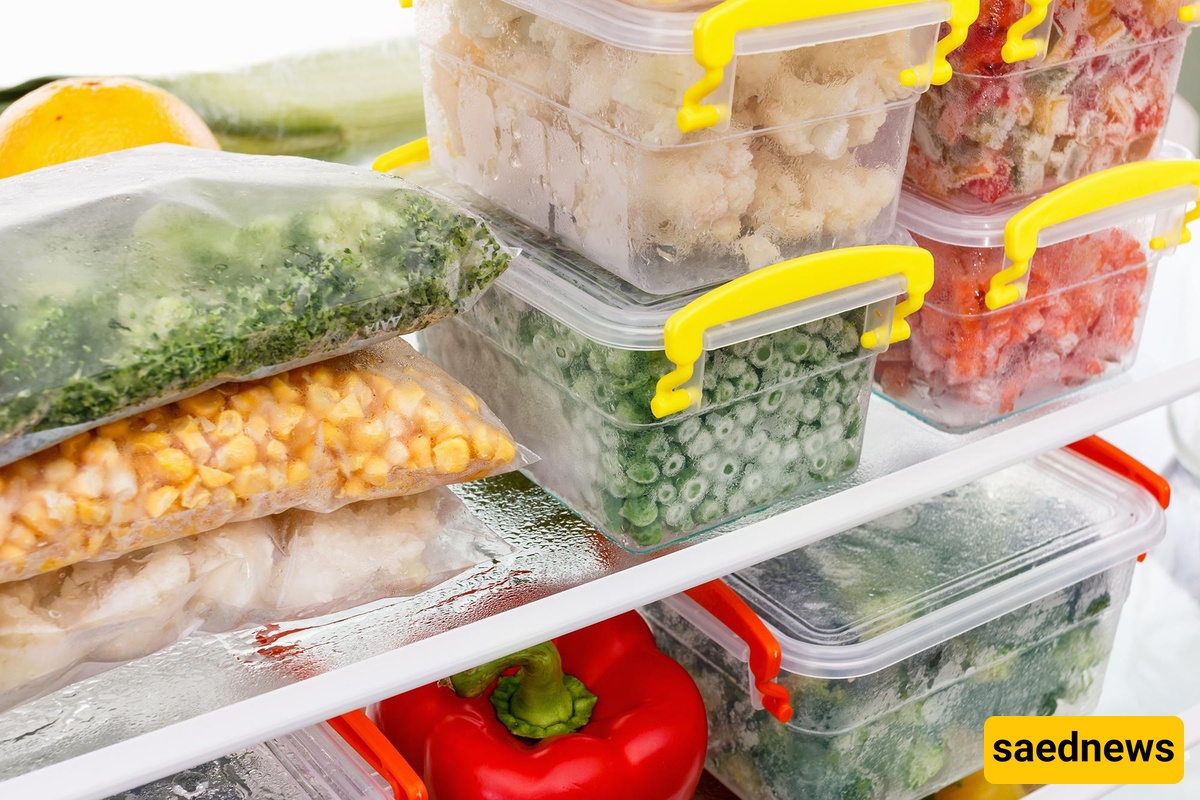
According to SAEDNEWS, freezing is one of the most useful methods for preserving food, but not every food can safely go through repeated freezing and thawing cycles. When frozen foods thaw, moisture levels, texture, and freshness can change. Refreezing them may lead to lower quality and possible safety concerns, especially if they have remained at room temperature for a long time.
Foods that have thawed completely and stayed outside the refrigerator for an extended period should not be frozen again. During this time, unwanted changes can occur, and refreezing will not remove any problems that may have developed. It is better to use these foods immediately or store them properly before they lose their quality.
Some foods that contain a lot of water can lose their original texture after being frozen and thawed. Vegetables with high moisture levels, soft fruits, and similar foods may become watery or soft when frozen again. For the best results, it is recommended to freeze them only once and use them after the first thawing.
Cooked meals should only be frozen again if they have been handled safely after thawing. If a meal has been left in unsuitable conditions, refreezing it may affect both taste and safety. Proper cooling and storage after cooking are important steps to preserve food quality.

Some foods naturally experience texture changes after the first freezing process. Repeating the cycle can make them less enjoyable and reduce their original appearance. Foods that become dry, mushy, or separated after thawing are usually better consumed rather than frozen again.
Planning portions before freezing is an effective way to prevent waste. Dividing food into smaller amounts allows people to thaw only what they need. Labeling frozen items with dates also helps maintain better organization and freshness.
If frozen food has thawed in the refrigerator and remains in good condition, it may sometimes be used in another meal instead of being frozen again. Cooking and consuming it within a suitable time is often a better choice. Careful storage habits help protect flavor, texture, and overall food quality.