SAEDNEWS: Discover how to make turmeric tea, a warm and soothing drink that may help support the immune system, reduce inflammation, and promote overall health.
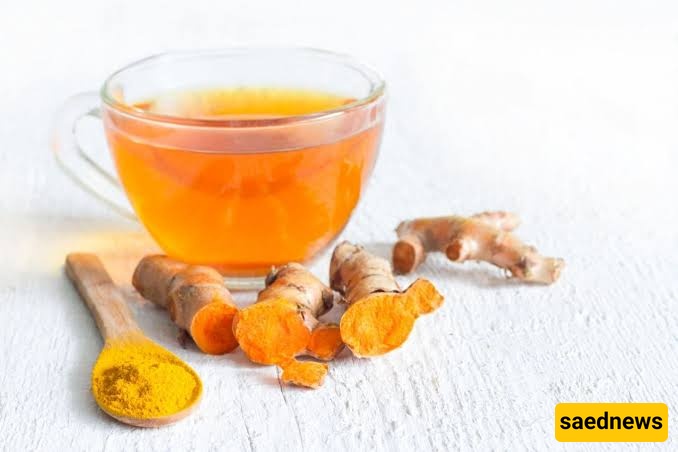
According to Saednews, In today’s busy world, many people are looking for natural ways to support their immune system, manage inflammation, and improve overall well-being. Turmeric tea has become a popular choice because of its vibrant color, warming flavor, and the beneficial compounds found in turmeric.
Turmeric has been valued for centuries in traditional Iranian and other herbal traditions, as well as in cooking. Preparing it as a tea offers a simple way to incorporate this versatile spice into a daily routine.

In this guide, we’ll look at how to prepare turmeric tea, what potential benefits it may offer, ways to improve its flavor and absorption, and important precautions to keep in mind.
Turmeric (Curcuma longa) is a plant from the ginger family. One of its best-known compounds is curcumin, which has antioxidant and anti-inflammatory properties and has been widely studied by researchers.
One important consideration is that the body absorbs curcumin relatively poorly on its own. This is why the way turmeric is consumed can matter. Combining turmeric with ingredients such as black pepper and a small amount of healthy fat may improve curcumin absorption.
For approximately one to two cups of turmeric tea, you can use:
2 cups of water: The base of the tea. Filtered water can provide a clean flavor.
1 teaspoon freshly grated turmeric or about 1 teaspoon turmeric powder: Fresh turmeric has a milder flavor, while powdered turmeric is convenient and concentrated.
A pinch of freshly ground black pepper: Black pepper contains piperine, a compound that may increase curcumin absorption.
1 teaspoon coconut or olive oil: Curcumin is fat-soluble, so adding a small amount of healthy fat may help absorption.
A small piece of fresh ginger (optional): Adds warmth and a spicy flavor.
Honey or another preferred sweetener: Optional, for balancing turmeric’s earthy taste.
½ teaspoon cinnamon (optional): Adds a naturally sweet and warming aroma.

If you are using fresh turmeric, wash it thoroughly, peel it, and finely grate about one teaspoon. If you are using turmeric powder, simply measure the recommended amount. Freshly grind or crush the black pepper as well.
Pour two cups of water into a small saucepan and bring it to a boil over medium heat.
Once the water begins boiling, add the turmeric, black pepper, coconut oil, and, if desired, ginger and cinnamon. Reduce the heat and allow the mixture to simmer gently for about 10–15 minutes.
Remove the saucepan from the heat and strain the tea into a cup to remove the remaining turmeric and spices.
If you want to sweeten the drink, add honey after the tea has cooled slightly. This creates a smoother and more pleasant flavor.
Serve the tea warm and enjoy it slowly.
Another popular way to enjoy turmeric is by combining it with milk. This version is often known as a golden latte because of its distinctive golden color.
1 cup milk, such as dairy, almond, or coconut milk
1 cup water
1 teaspoon turmeric
A pinch of black pepper
1 teaspoon honey
½ teaspoon coconut oil
Add the milk and water to a saucepan and warm them over low heat. Stir in the turmeric, black pepper, and coconut oil.
Continue heating gently for around five minutes, stirring occasionally, until the mixture is hot and slightly creamy.
Remove it from the heat and allow it to cool slightly before adding honey. Stir well and serve warm.
Turmeric contains antioxidant compounds that help protect cells from oxidative stress. Including turmeric in a balanced diet may support normal immune function.
Turmeric also contains compounds that have demonstrated antimicrobial activity in laboratory research. However, turmeric tea should not be considered a treatment or a replacement for medical care when someone is ill.
Curcumin is particularly well known for its anti-inflammatory properties. Research has investigated its potential role in conditions associated with inflammation and joint discomfort.
Some studies suggest that turmeric or curcumin preparations may help reduce certain measures of joint pain and improve physical function in some people. Results vary, however, and turmeric tea generally contains much less curcumin than concentrated supplements used in research.

Turmeric has traditionally been used to support digestive health. It may influence bile production and digestive processes, although the evidence for turmeric tea specifically remains limited.
Some people enjoy a cup after a meal because of its warm, soothing flavor.
The antioxidant properties of turmeric have attracted interest in relation to skin health and oxidative stress.
However, claims that drinking turmeric tea can “detoxify the blood,” cure acne, or dramatically increase collagen production are not well established. Skin health is influenced by many factors, including nutrition, sleep, sun exposure, genetics, and skincare.

Research on curcumin has explored its possible effects on cholesterol levels, blood vessels, inflammation, and blood sugar regulation.
Some studies have reported modest improvements in certain cardiovascular or metabolic markers, but evidence is still developing. Turmeric tea should therefore be viewed as one small part of an overall healthy lifestyle rather than a treatment for diabetes or heart disease.
Black pepper contains piperine, which can increase the body's exposure to curcumin. This is one reason turmeric and black pepper are frequently combined.
Because curcumin is fat-soluble, adding a small amount of coconut oil, olive oil, or milk may help with its absorption.
Fresh turmeric root and good-quality turmeric powder can both work well. Look for turmeric with a fresh aroma and vibrant color, and store powdered turmeric in a cool, dry place away from direct sunlight.
Gentle simmering is sufficient for making turmeric tea. There is no need to boil the mixture aggressively for a long period.
Turmeric is generally well tolerated in the amounts commonly used in food, but larger amounts may not be appropriate for everyone.
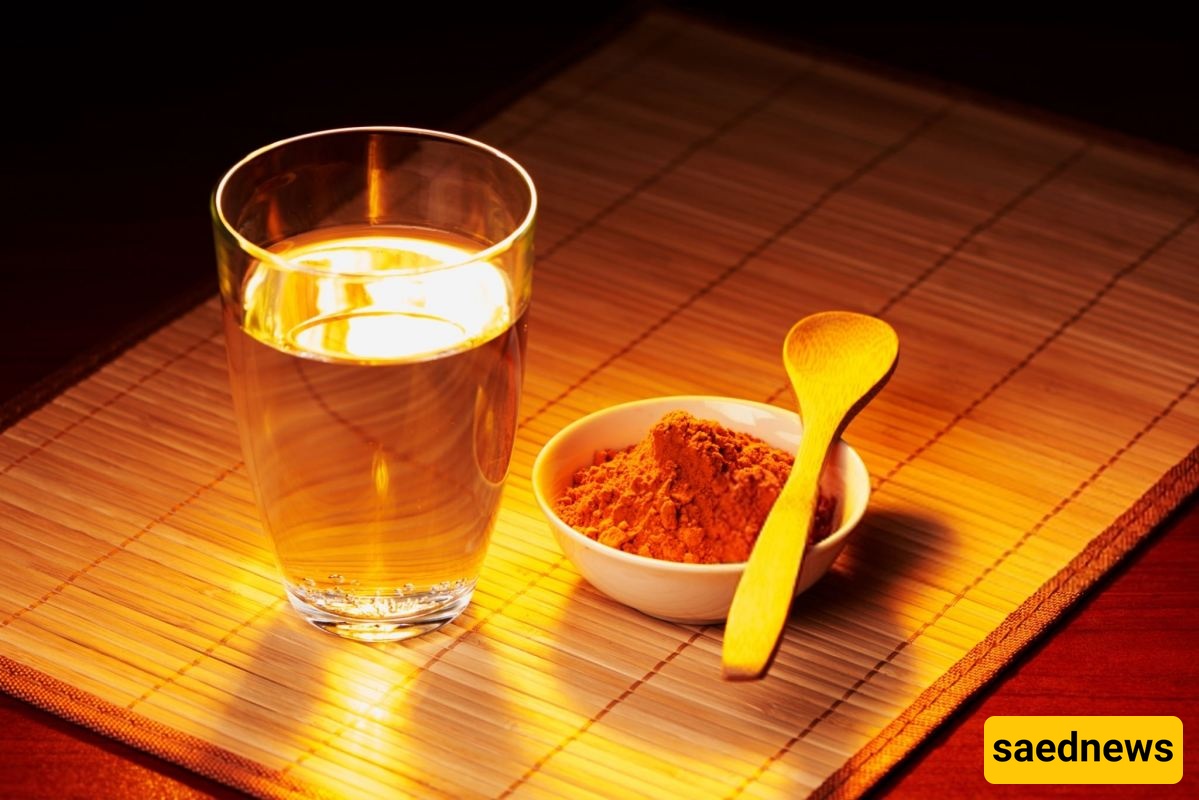
Turmeric may stimulate gallbladder activity. People with gallstones or bile-duct obstruction should speak with a healthcare professional before consuming concentrated amounts of turmeric.
Culinary amounts of turmeric are generally different from concentrated turmeric or curcumin supplements. Pregnant individuals should avoid high-dose turmeric preparations unless their healthcare professional recommends them.
Turmeric and curcumin may affect blood clotting. People taking anticoagulant or antiplatelet medications, including warfarin, should consult their healthcare professional before regularly consuming concentrated turmeric preparations.
Some people may experience stomach irritation, nausea, or worsening reflux after consuming larger amounts of turmeric. If turmeric tea causes discomfort, reduce the amount or stop drinking it.
There is no universally established daily dose for turmeric tea because its strength varies considerably depending on the amount and type of turmeric used.

For most healthy adults, one or two moderate cups a day can be a reasonable dietary amount. However, more is not necessarily better, particularly when turmeric is being consumed in concentrated forms.
If you take regular medication or have a chronic medical condition, it is sensible to ask a healthcare professional whether regular turmeric consumption is appropriate for you.
Turmeric tea is a simple, warming beverage that can be incorporated into a balanced diet. Turmeric contains curcumin and other compounds with antioxidant and anti-inflammatory properties, while ingredients such as black pepper, ginger, cinnamon, and milk can add flavor and may influence how the drink is absorbed.
At the same time, turmeric tea should not be viewed as a miracle cure. Most research on curcumin has involved specific extracts or supplements rather than ordinary turmeric tea, so the effects of a homemade cup are likely to be more modest.
A balanced diet, regular physical activity, adequate sleep, and appropriate medical care remain the foundations of good health. Turmeric tea can simply be an enjoyable addition to that routine.