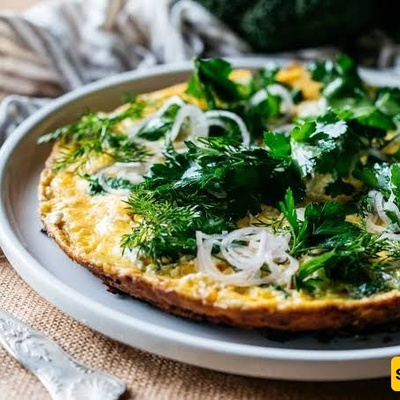
SAEDNEWS: The right cooking temperature can make the difference between a perfectly cooked meal and a disappointing one. Knowing when to use low heat and when to turn up the flame helps preserve flavor, improve texture, and prevent common cooking mistakes.
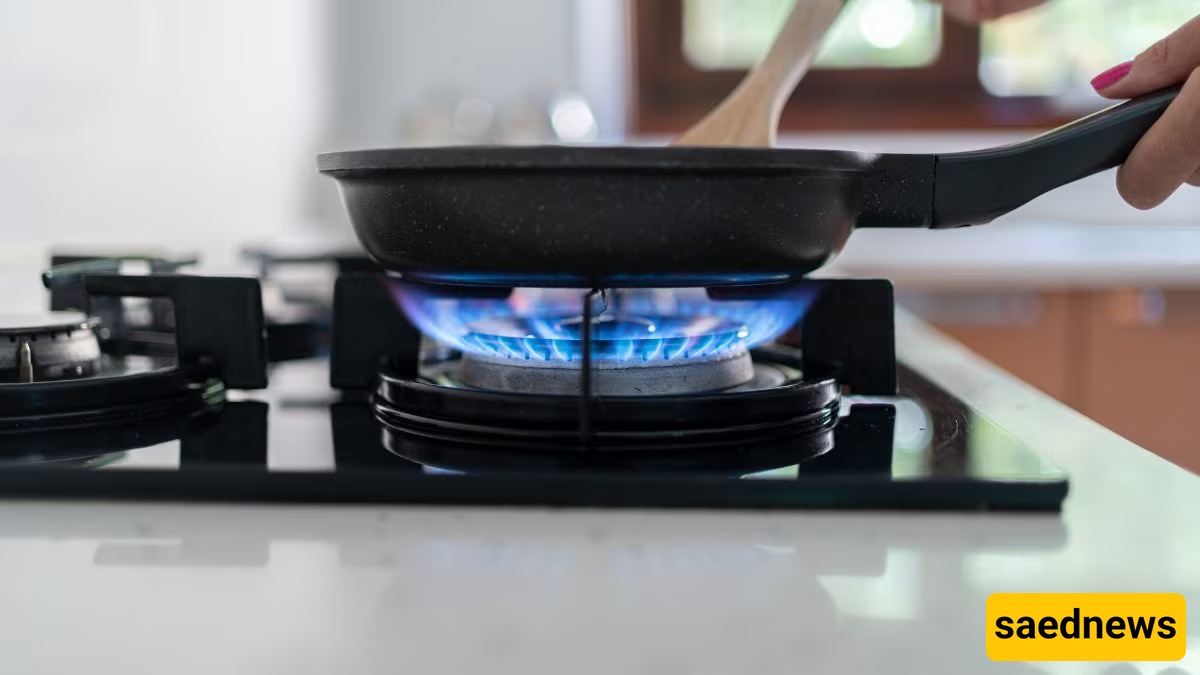
According to SAEDNEWS, Understanding heat control is one of the most valuable skills any home cook can develop.
Low heat is ideal for dishes that require slow, even cooking. Soups, stews, sauces, braised meats, and delicate foods such as custards benefit from gentle heat because it allows flavors to develop gradually without burning. Cooking over low heat also helps tougher cuts of meat become tender while reducing the risk of scorching ingredients that contain dairy or sugar.
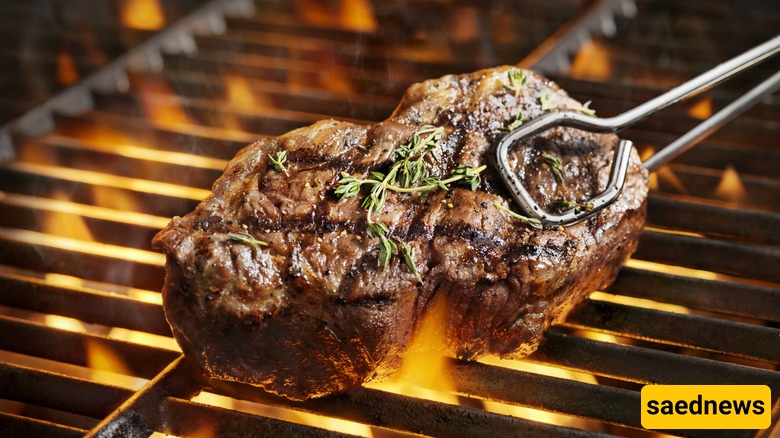
High heat is best for tasks that require quick cooking or browning. Searing steaks, stir-frying vegetables, grilling, and sautéing all depend on high temperatures to create a flavorful crust while keeping the inside tender. Using high heat for a short period locks in moisture and produces the rich color and caramelization that enhance both taste and appearance.
Many recipes produce the best results by using both high and low heat. For example, meat is often seared over high heat to develop a golden crust before being finished over low heat until fully cooked. Rice dishes, pasta sauces, and many casseroles also begin with high heat to bring ingredients to a boil and then continue on low heat to cook evenly and absorb flavors without drying out.
Successful cooking depends on paying attention to both the food and the cookware. Heavy-bottomed pots distribute heat more evenly, reducing hot spots that can burn food. Avoid constantly switching between high and low temperatures unless the recipe requires it, and always allow pans to preheat before adding ingredients. Learning to adjust heat according to the cooking stage will improve texture, preserve nutrients, and help you achieve consistently delicious meals.