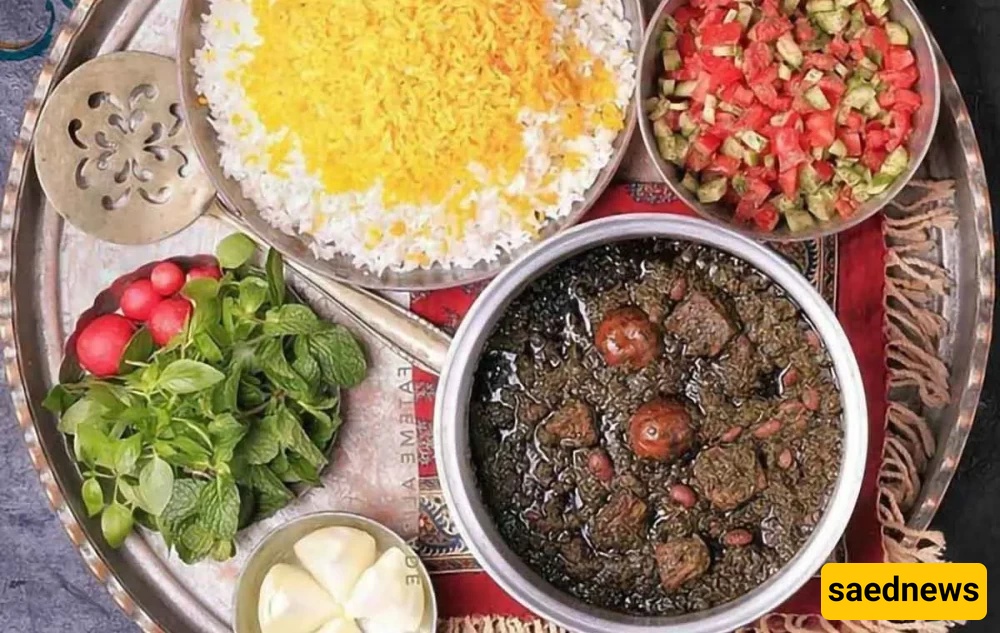
SAEDNEWS: In this article, we will introduce the best spice blend for Ghormeh Sabzi, the beloved Persian herb stew. The right combination of spices can elevate its rich, aromatic flavor and give the dish its authentic taste. Stay with us until the end to discover the ideal seasoning mix for a delicious and flavorful Ghormeh Sabzi.
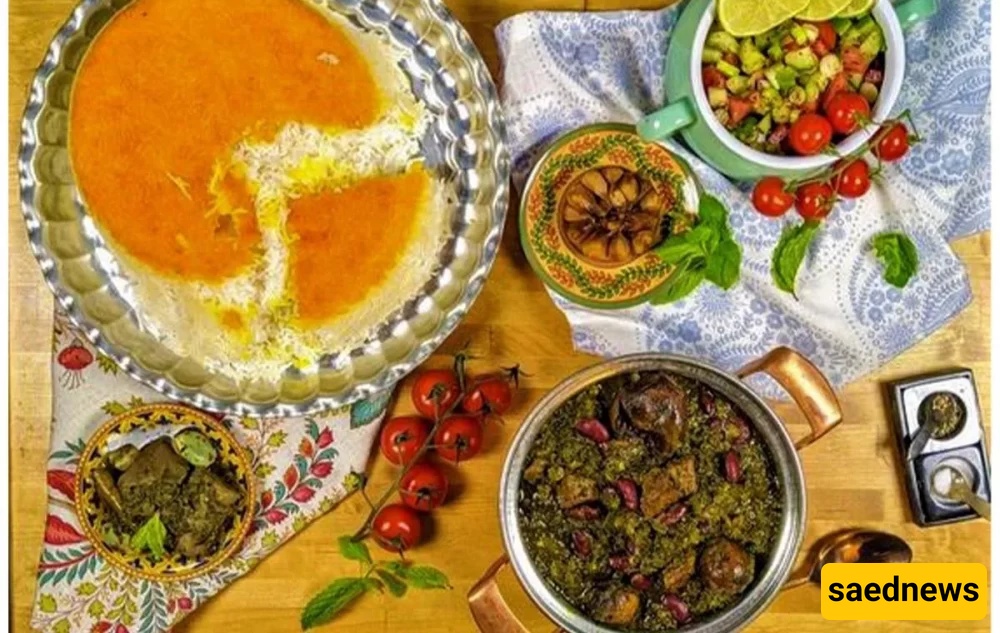
According to Saednews, Ghormeh Sabzi is one of Iran's most authentic and beloved dishes, celebrated for its rich aroma, deep herbal flavor, and slow-cooked perfection. The secret to an exceptional Ghormeh Sabzi lies in selecting the right combination of fresh herbs and carefully balanced spices.
Choosing the best spices for Ghormeh Sabzi has a significant impact on the final taste and aroma of the stew. Understanding which spices to use and when to add them allows you to recreate the authentic flavors of traditional Persian cooking at home.
This guide explores the essential and optional spices used in Ghormeh Sabzi, along with a homemade spice blend recipe for achieving restaurant-quality results.
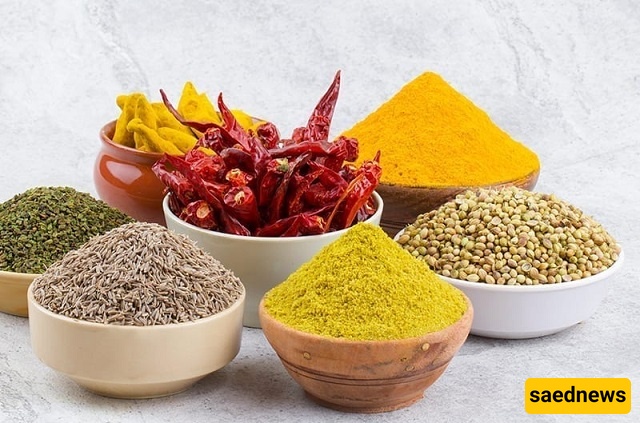
The foundation of every authentic Ghormeh Sabzi starts with a few key spices. These ingredients create the stew's signature flavor and should be included in every recipe.
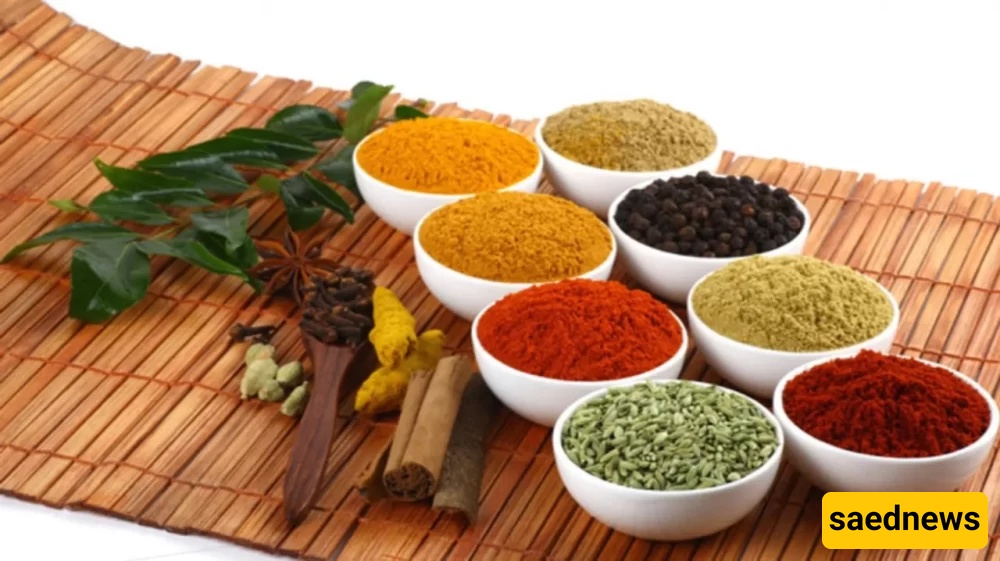
Turmeric is one of the most widely used spices in Persian cuisine and is indispensable in Ghormeh Sabzi. It gives the stew a beautiful golden color while adding a warm, earthy flavor.
Beyond its culinary role, turmeric is known for its antioxidant and anti-inflammatory properties. It is also believed to support immune health, liver function, and overall wellness.
How to use:
Add 1 teaspoon of turmeric while sautéing the onions.
Fry it briefly to release its aroma before adding the meat.
This step allows the turmeric to fully infuse the base of the stew with both flavor and color.
Black pepper adds gentle heat and depth without overpowering the herbs. Freshly ground black pepper produces a stronger aroma than pre-ground pepper.
It also aids digestion and contains natural antibacterial compounds.
How to use:
Add it while browning the onions and meat.
For a fresher aroma, you can add a small amount during the final stages of cooking.
Adjust the quantity according to your preferred spice level.
Salt is essential for enhancing all the other flavors in Ghormeh Sabzi. Rather than adding flavor itself, it helps bring out the natural taste of the herbs, meat, and spices.
How to use:
Avoid adding salt at the beginning, as it may toughen the meat.
Add salt during the middle or final stage of cooking after the meat has become tender.
Taste and adjust gradually.
If you're using dried limes or sour grape powder, remember they may slightly influence the overall seasoning.
For those who enjoy spicy food, red pepper provides extra warmth and a pleasant kick.
Besides enhancing flavor, red pepper contains vitamins A, B, C, and K along with beneficial minerals such as potassium and calcium.
How to use:
Add it while sautéing the onions with turmeric.
Alternatively, sprinkle a small amount just before serving for adjustable heat.
Use sparingly, as too much can overpower the delicate herbal flavors.
These spices are optional but commonly used to create more complex and aromatic variations of Ghormeh Sabzi.
Often called the "Seven Spice Blend," this mixture commonly contains:
Cinnamon
Cardamom
Cumin
Red pepper
Black pepper
Cloves
This aromatic blend enhances both the fragrance and flavor of the stew while balancing its richness.
How to use:
Add the curry blend after the onions and meat have been fully sautéed, then continue with the remaining cooking process.
Ground coriander seed is one of the finest spices for Ghormeh Sabzi. It contributes a fresh citrusy aroma that complements the herbs beautifully.
It is also traditionally valued for supporting digestion and reducing bloating.
Sour grape powder adds a pleasant tartness that balances the richness of the stew.
How to use:
Add it early so the flavor fully develops during cooking.
Alternatively, stir it in about 20 minutes before serving for a brighter sour note.
Fresh unripe grapes may also be added together with the herbs for a milder natural acidity.
Cardamom is not considered a primary spice in Ghormeh Sabzi but is sometimes used to introduce subtle warmth and fragrance.
How to use:
Place a few whole cardamom pods into the stew during cooking, then remove them before serving after they have released their aroma.
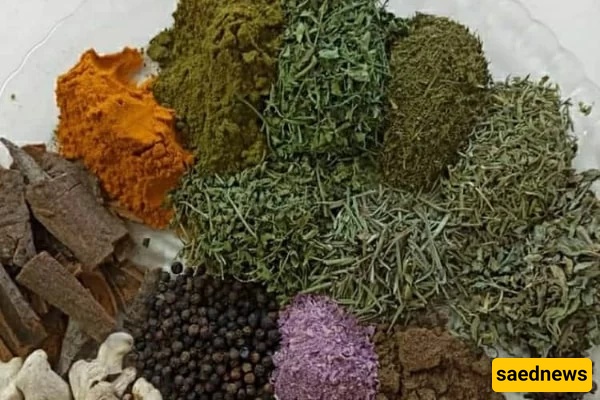
To prepare one jar of homemade Ghormeh Sabzi seasoning, combine:
2 tablespoons dried rose petal powder
2 tablespoons dried spinach
2 tablespoons fennel powder
2 tablespoons sour grape powder
2 tablespoons dried leek
2 tablespoons dried parsley
2 tablespoons dried cilantro
1 tablespoon turmeric
1 tablespoon black pepper
1 tablespoon red pepper
1 tablespoon curry powder
1 tablespoon dried fenugreek
1 tablespoon ground cardamom
Mix thoroughly and store the seasoning in an airtight container in a cool, dry place.
If you'd like to prepare the seasoning entirely from scratch:
Wash all the fresh herbs thoroughly.
Spread them on a clean cloth.
Divide them into smaller batches for quicker drying.
Dry the herbs in the shade rather than direct sunlight to preserve their color and aroma.
Remove any stems or impurities.
Grind the dried herbs into a fine powder.
Mix them with the remaining spices in the recommended proportions.
Store the finished blend in a sealed container away from moisture and heat.
If fresh herbs are unavailable, you can simply purchase high-quality dried herbs and combine them with the spices.
While every spice contributes to the stew's unique character, turmeric, black pepper, coriander seed, and dried fenugreek are considered the most essential for authentic Ghormeh Sabzi. A carefully balanced combination of these spices, together with fresh herbs and slow cooking, creates the rich, aromatic flavor that has made this classic Persian stew famous around the world.