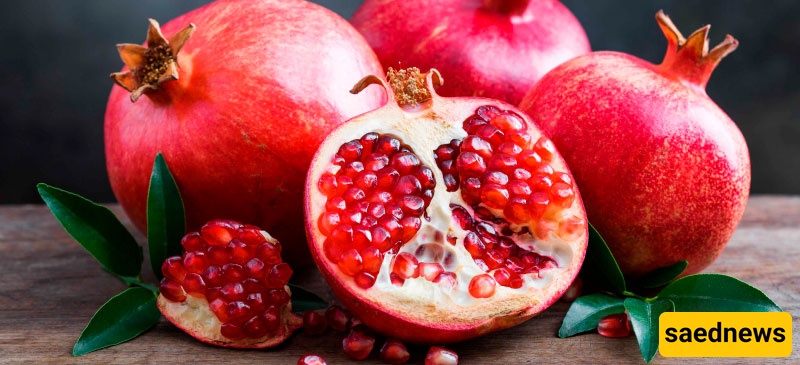
SAEDNEWS: Pomegranate is considered an ideal fruit because it is rich in medicinal compounds and essential nutrients, including vitamins A and E, potassium, iron, fiber, and folic acid. To help ensure that your child receives these valuable nutrients, it is a good idea to include an appropriate amount of pomegranate in their daily diet.
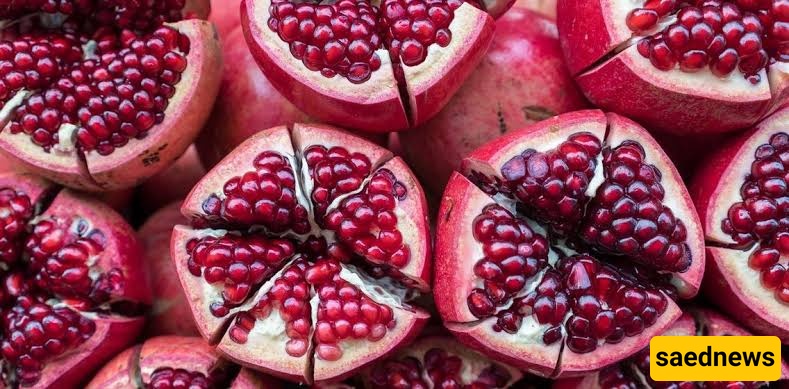
According to SAEDNEWS, Pomegranate is rich in vitamins and minerals, especially vitamin C. This powerful antioxidant helps protect the body by neutralizing free radicals. The fruit is also an excellent source of fiber, potassium, iron, and folate (vitamin B9), a water-soluble vitamin. Every 100 grams of pomegranate seeds contain 10.2 milligrams of vitamin C, providing approximately seventeen percent of the recommended daily intake. Vitamin C also promotes wound healing, supports healthy gums, aids in the production of collagen and elastin, and enhances iron absorption.
Pomegranate can be introduced into a child's diet after six months of age. However, at this stage, it is best to offer pomegranate juice rather than the seeds. Since infants do not yet have the ability to chew properly, whole seeds may pose a choking hazard.
Helps Reduce Inflammation
Medical studies suggest that pomegranate juice possesses antibacterial properties that help eliminate harmful microorganisms from the body. It may also help reduce inflammation by removing irritating substances and supporting the body's natural defense mechanisms.
Supports Digestive Health
Children often experience digestive problems such as diarrhea and dysentery, which may result from viral or bacterial infections. Pomegranate is one of the fruits traditionally recognized for its beneficial effects on digestive health and may help alleviate symptoms associated with these conditions.
Supports the Body During Colds and Fever
The antioxidants found in pomegranate may help strengthen the immune system and support the body's response to common illnesses such as colds and influenza. Its nutrient-rich profile can also contribute to overall wellness during periods of fever and infection.
Promotes Oral and Dental Health
Dental problems are becoming increasingly common among children. Pomegranate may help support oral health by reducing discomfort associated with teething and protecting teeth and gums from certain oral conditions, including gum inflammation. Its natural antibacterial and antiviral properties may help reduce dental plaque formation and lower the risk of oral health issues.
Supports Liver Health
Pomegranate consumption may contribute to healthy liver function in children. Oxidative stress can affect the body even during childhood, and the antioxidants present in pomegranate may help protect liver cells by combating oxidative damage.
Because pomegranate contains numerous seeds, some children may find it difficult or inconvenient to eat the fruit directly. Offering freshly prepared pomegranate juice is an easy and enjoyable alternative that allows children to benefit from its nutrients. If your child shows signs of an allergic reaction, such as swelling of the face or tongue, stop giving them pomegranate immediately and seek medical advice if necessary.