SAEDNEWS: Mung bean rice with neck meat is a traditional and delicious Iranian dish that combines protein, fiber, and carbohydrates in a complete and balanced meal.
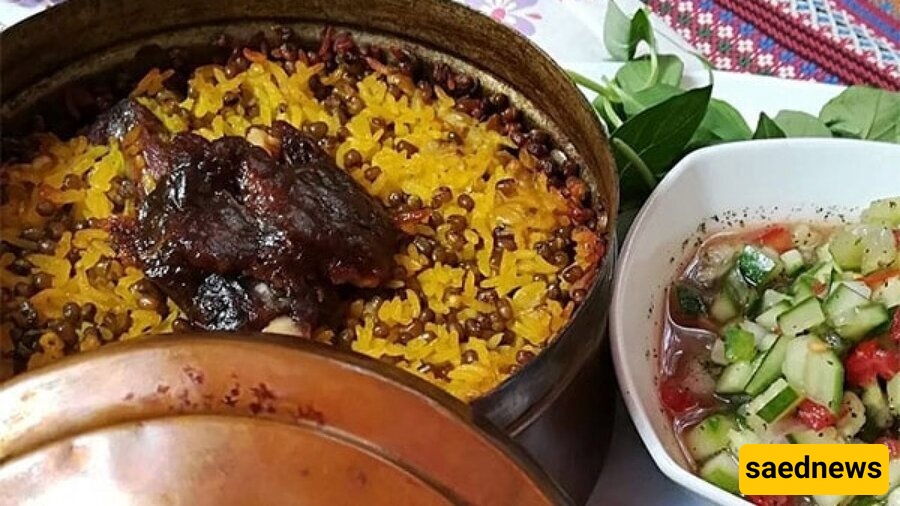
According to Saednews, Mung bean rice with lamb neck is one of those traditional and delicious Iranian dishes that offers a complete meal combining protein, fiber, and carbohydrates in a single serving. It has an exceptional taste and, thanks to the unique nutritional properties of mung beans and lamb neck, is considered an excellent choice for family meals.
Mung bean rice is especially popular in the northern provinces of Iran, particularly Gilan and Mazandaran. It is prepared using rice, mung beans, and aromatic herbs such as dill, and is typically served with various types of meat such as lamb neck, shank, or chicken. Lamb neck is a particularly suitable choice due to its tender texture and rich flavor. Proper preparation of this dish requires attention to several important details, which are explained below.
Mung beans: 1 cup
Rice: 3 cups
Lamb neck or shank: 500 grams
Fresh or dried dill: 3 tablespoons
Salt, black pepper, cinnamon, turmeric: as needed
Large onion: 1
Saffron (dissolved): 3 tablespoons
Cooking oil: as needed
Wash the lamb neck thoroughly and cut it into medium pieces.
Chop the onion into thin slices and sauté it in a pot with a little oil until golden.
Add the meat and sauté until its color changes.
Add turmeric, black pepper, and cinnamon, and stir briefly to release their aroma.
Pour in 3–4 cups of boiling water and cover the pot.
Let the meat cook over low heat for about 2 to 2.5 hours until fully tender.
Add salt during the last 30 minutes of cooking.
Important note: You can use a pressure cooker to reduce cooking time to about 45 minutes.
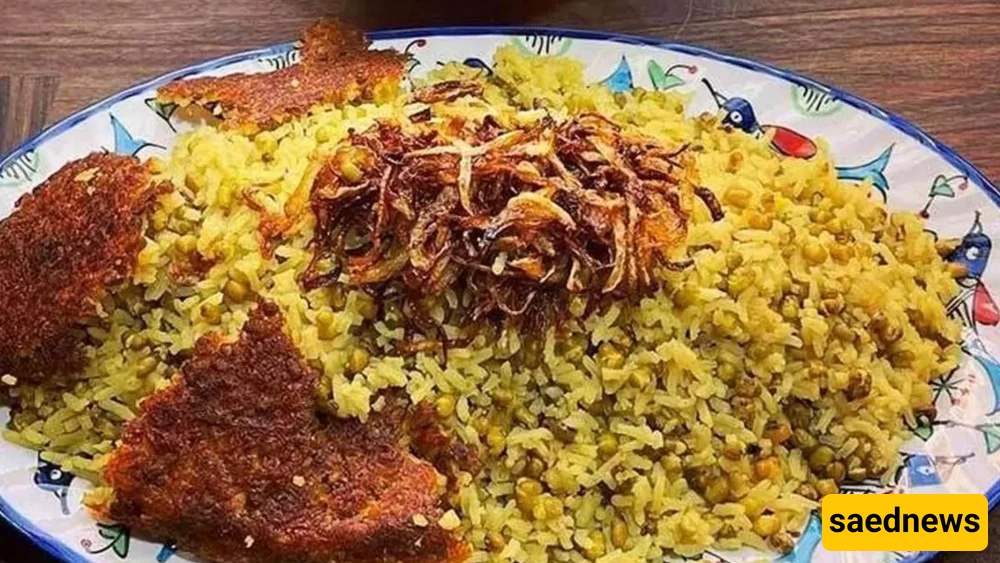
Sort and rinse the mung beans thoroughly.
Cook them in a separate pot with water until soft (about 20–30 minutes).
Be careful not to overcook them so they don’t become mushy.
Drain and set aside.
Soak the rice in salted water for at least 2 hours.
Bring a pot of water to a boil.
Add the soaked rice to the boiling water.
Once the rice softens slightly, drain it.
At this stage, you can mix in fresh or dried chopped dill.
Add a little oil to the bottom of a pot.
Add a thin layer of mixed rice and mung beans.
Place a layer of cooked meat on top.
Repeat the layering process until all ingredients are used.
Pour saffron over the top layer.
Cover the pot and steam over low heat for 45–60 minutes.
Once fully steamed, transfer the rice to a serving dish.
Decorate the top with pieces of cooked meat.
You may garnish with slivered pistachios, almonds, or barberries.
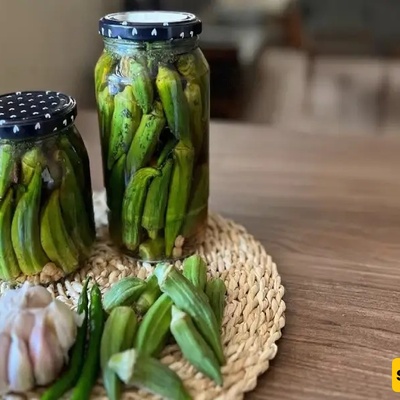
Serve with yogurt, fresh herbs, and pickles.
Calories: ~550 kcal
Protein: 35 g
Carbohydrates: 60 g
Fat: 15 g
Fiber: 8 g
Iron: 5 mg
Calcium: 100 mg
Boosts immune system: due to zinc and vitamins found in mung beans and meat
Improves digestion: thanks to the fiber content in mung beans
Strengthens bones: calcium from herbs and meat
Provides energy: from carbohydrates and protein
Supports child growth: rich in protein and iron
Mung bean rice with lamb neck is a classic and nutritious Iranian dish. By following the steps carefully, you can prepare a flavorful and well-balanced meal.
Using high-quality ingredients and proper cooking techniques will help you create a professional and delicious version of this traditional dish that the whole family will enjoy. Serving it with yogurt, fresh herbs, and pickles enhances its overall taste.