SAEDNEWS: A wall chaser is a power tool designed to cut grooves in walls for installing pipes, electrical conduits, cable boxes, and other types of tubing. These tools perform groove-cutting tasks quickly and efficiently and are commonly available in two main types: single-blade and twin-blade models.
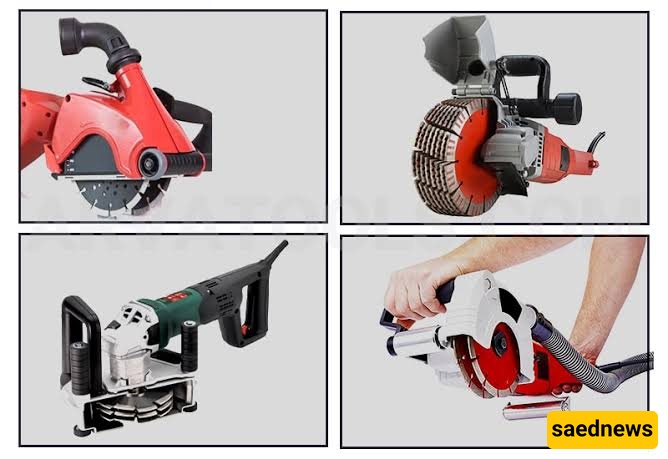
According to Saednews, A wall chaser is a specialized construction tool designed to create clean and uniform grooves in walls, floors, and ceilings. It is commonly used for electrical installations, plumbing, and ventilation systems, allowing wires, cables, and pipes to be routed without extensive damage to the surrounding structure. Using a wall chaser can improve work speed and precision while reducing the overall cost of construction projects.
A wall chaser is a powered cutting tool used in the construction industry to make precise grooves in various surfaces. It is primarily used to create channels in walls and floors for installing pipes, electrical conduits, and electrical boxes.
Compared with traditional manual methods, a wall chaser performs cutting operations faster, more accurately, and with greater power, significantly reducing the time required to complete the work.
Wall chasers are available with either a single blade or two blades, with each configuration designed for specific applications and working conditions.
Two-blade wall chasers can often be adjusted to control the width of the cut. Some models are also equipped with a dust-extraction port that can be connected to a vacuum cleaner to collect dust generated during cutting. This helps keep the work area cleaner and reduces airborne dust.
A commercial or industrial vacuum cleaner is generally a suitable option for use with a wall chaser.
Some wall chasers also feature a laser guide that helps the operator maintain a precise cutting line.
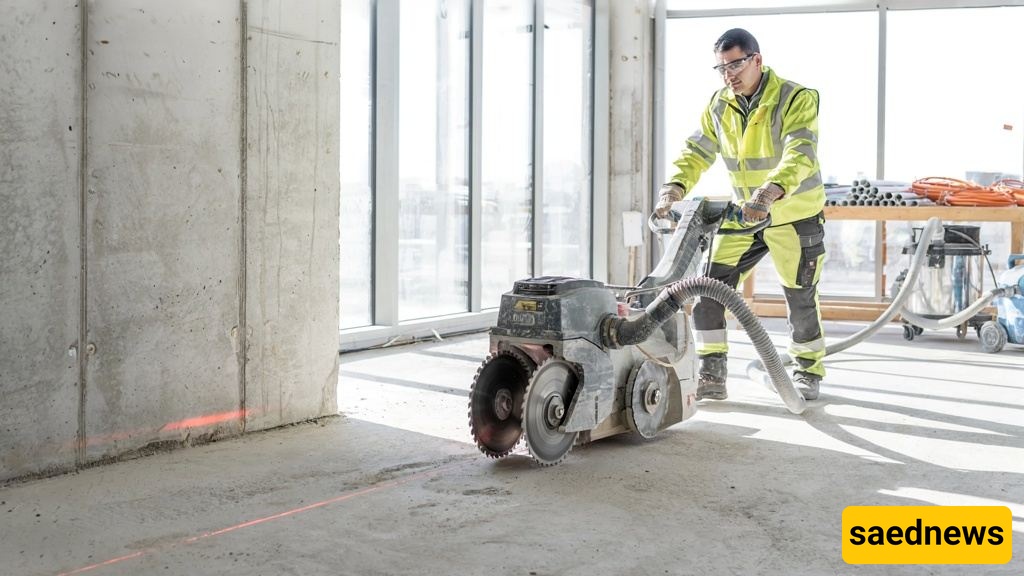
A wall chaser is made up of several important components, including cutting discs, a gearbox, motor bearings, and an aluminum protective guard.
Dust-resistant components can increase the service life of the tool because the accumulation of dust inside mechanical and electrical parts can cause premature wear or malfunction.
An ergonomic handle makes the tool easier to operate and provides better control. This is particularly useful during extended periods of work, as it can reduce user fatigue.
The ability to adjust cutting width and depth allows the operator to produce precise and consistent grooves. Higher motor power and blade rotation speed can also improve the tool's cutting performance.
Wall chasers are widely used in construction and renovation projects, particularly when cables and pipes need to be concealed inside walls or floors. Common applications include:
Creating channels for electrical cables and conduits
Preparing grooves for plumbing pipes
Installing electrical boxes and fittings
Creating channels for ventilation systems
Concealing pipes and cables inside walls or floors
Cutting grooves in masonry and other hard construction materials
By placing cables and pipes inside the grooves, installations can be concealed beneath the surface, resulting in a cleaner and more finished appearance.
One of the main advantages of an electric wall chaser is its ability to adjust both cutting width and depth. This allows the operator to create grooves according to the dimensions required for a particular installation.
Motor power and blade speed are also important factors in determining cutting performance. A powerful motor combined with an appropriate blade speed can make it easier to cut through dense and hard materials.
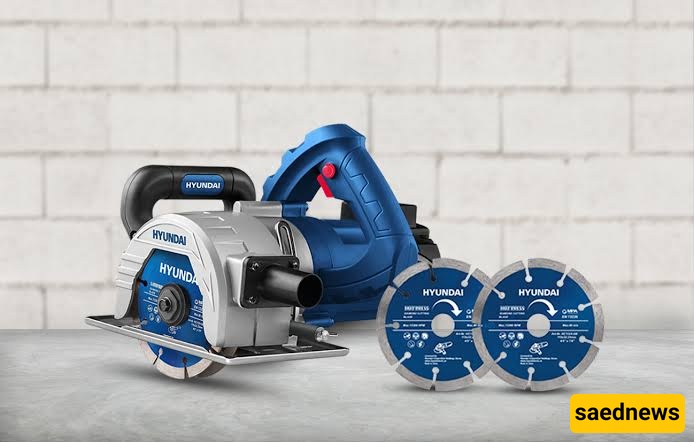
Cutting masonry and concrete can produce a significant amount of dust. Many wall chasers are therefore designed with a dust-extraction outlet that can be connected to a suitable vacuum cleaner.
Using a dust-extraction system helps keep the workspace cleaner and can reduce the amount of dust released into the surrounding environment.
A wall chaser is a powered cutting tool equipped with rapidly rotating blades or discs, so proper safety precautions are essential.
When operating a wall chaser:
Always use the protective guard supplied with the tool.
Wear appropriate personal protective equipment.
Make sure the cutting disc is suitable for the material being cut.
Keep both hands and loose clothing away from moving components.
Use a suitable dust-extraction system when possible.
Inspect the tool and cutting components before operation.
Follow the manufacturer's operating and safety instructions.
Before electric wall chasers became widely available, workers often used a hammer and chisel to create channels for electrical and plumbing installations. Although this approach can still be practical for relatively soft materials, it is generally slower and less precise.
Manual cutting can also result in uneven grooves and unnecessary damage to the surrounding surface. For hard walls, concrete floors, and masonry, a wall chaser provides a much faster and more controlled solution.
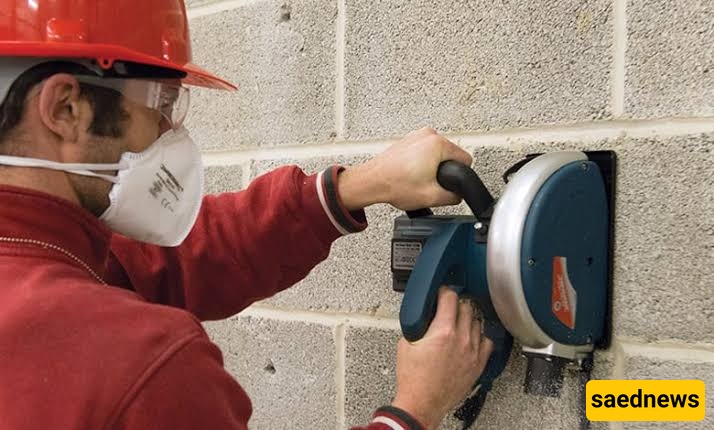
For softer materials such as some gypsum-board surfaces, traditional methods may still be suitable depending on the project. However, for dense walls and floors, a powered wall chaser is usually the more efficient choice.
When selecting a wall chaser, consider factors such as motor power, cutting depth, adjustable cutting width, blade configuration, dust extraction, ergonomics, and overall build quality.
A suitable model should provide enough cutting capacity for the material and installation requirements while offering adequate protection and dust management.
Overall, a wall chaser is a practical construction tool for creating precise channels for electrical, plumbing, and ventilation installations. Its combination of cutting power, adjustable dimensions, speed, and dust-extraction capability makes it a valuable tool for professional construction and renovation work.