SAEDNEWS: When children dislike a particular food, parents can gradually introduce variety without creating pressure at mealtimes. Offering familiar foods alongside new options, changing textures and presentation, and allowing children to make simple choices can help them become more comfortable with different foods.
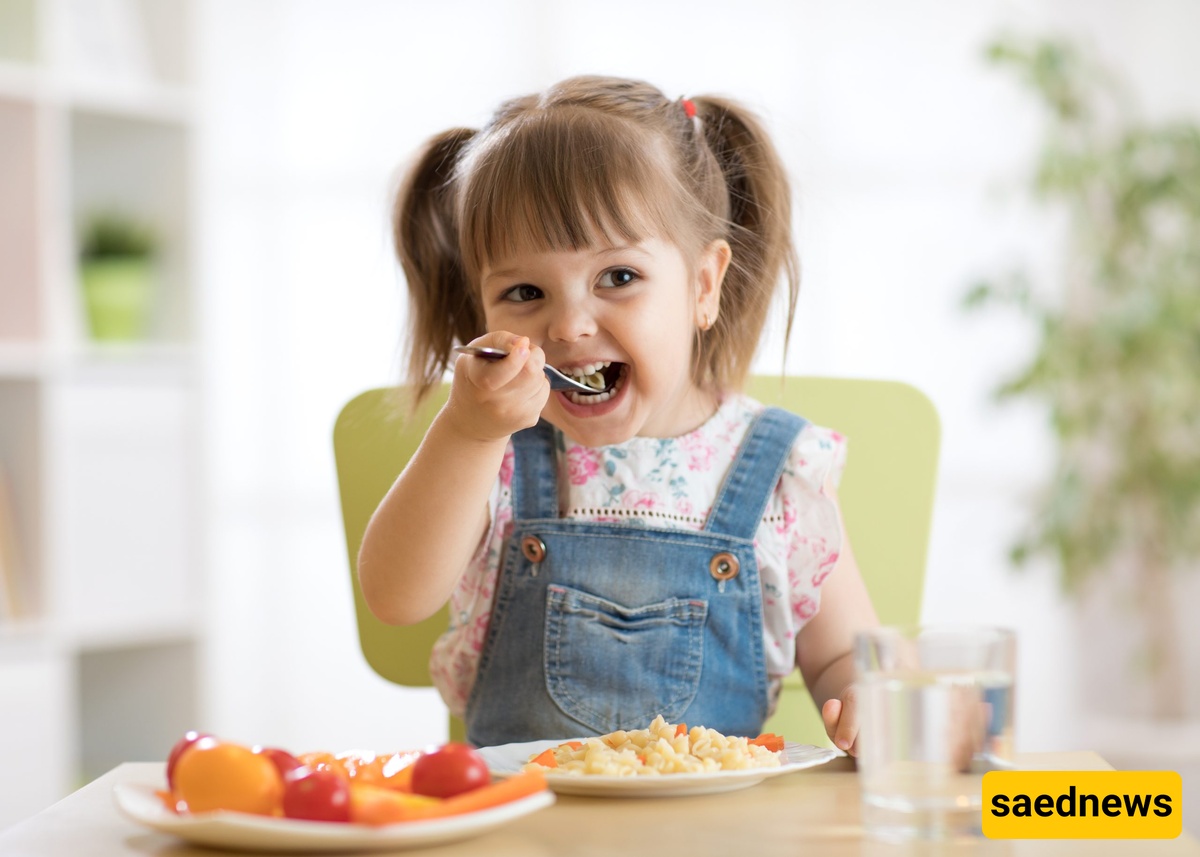
According to SAEDNEWS, children may be more willing to try an unfamiliar food when it is served alongside something they already enjoy. For example, a new vegetable can be offered with rice, bread, yogurt, eggs, or another familiar food. Keeping at least one accepted item on the plate can make mealtimes feel more comfortable and reduce resistance.
A child may reject a food because of its texture, shape, smell, or appearance rather than its flavor. Try preparing the same ingredient in different ways. Vegetables can be steamed, roasted, mashed, grated, or mixed into a familiar dish. Cutting foods into small pieces or arranging them in appealing shapes can also make them more interesting.
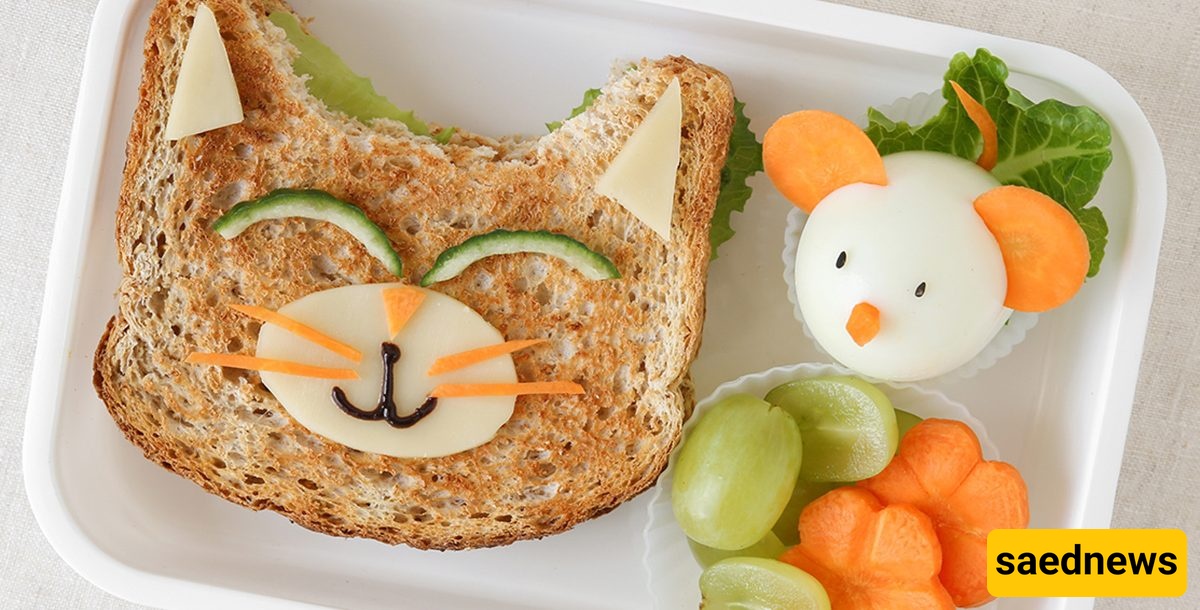
Offering two or three appropriate options can give children a sense of independence. Instead of asking whether they want to eat, parents can ask whether they prefer cucumber or carrot, rice or bread, or yogurt with fruit. Limited choices help children participate in meal planning while keeping the available options nutritious and suitable.
Children often need repeated exposure before accepting a new food. A rejected ingredient does not necessarily need to disappear from the menu. Parents can place a small portion on the plate without insisting that the child eat it. Over time, seeing, touching, smelling, and tasting the food can make it feel more familiar.
Pressure, criticism, and arguments can make food refusal stronger. Parents can encourage children calmly and allow them to decide how much of an offered food they want to eat. Eating together and showing enjoyment of a variety of nutritious foods can provide a positive example. A relaxed approach can gradually help children develop broader food preferences.