SAEDNEWS: A rod heating element is a metal tube with nichrome wires that produces heat when electricity passes through it. It is used to heat liquids, air, and solid surfaces.
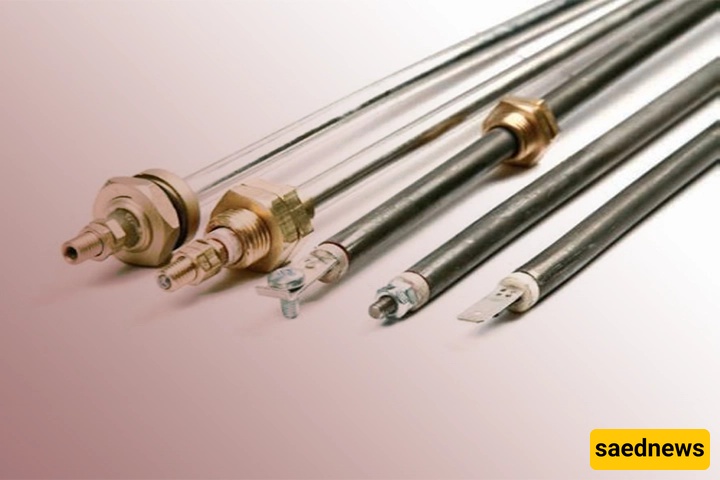
According to Saednews, A rod heating element is a durable metal tube containing a resistance wire, typically made of nichrome, surrounded by magnesium oxide insulation. When electrical current passes through the resistance wire, it generates heat. Rod heating elements are manufactured in various shapes, sizes, and power ratings and are widely used for heating liquids, air, and solid surfaces in industrial and household applications.
If you work in industries ranging from food production to residential heating systems, you have probably encountered rod heating elements. These compact but essential components convert electrical energy into thermal energy and play a critical role in numerous heating processes.
Because rod elements are available in many designs and specifications, selecting the right type can sometimes be challenging. Understanding their construction, applications, operating principles, and key selection factors makes it much easier to choose an element that delivers reliable performance and a long service life.
Different designs and materials allow rod heating elements to perform effectively in a wide range of environments. The following are some of the most common types.
Finned heating elements, also known as ribbed heating elements, feature metal fins welded to the outer sheath. These fins significantly increase the surface area available for contact with air, allowing heat to be transferred more quickly and efficiently.
They are commonly used in:
Industrial heaters
Drying equipment
HVAC systems
Air-heating units
Applications requiring fast and uniform air heating
The outer sheath is typically manufactured from stainless steel or galvanized metal, depending on the operating conditions.
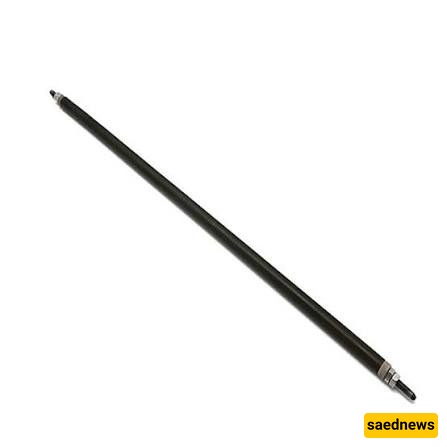
Heating water in swimming pools, hot tubs, and industrial baths requires heating elements with excellent corrosion resistance. Pool heating elements are specifically designed for these environments.
Their sheaths are commonly made from 316-grade stainless steel or titanium, both of which provide strong resistance against chlorinated water, salt, and other chemicals.
These elements offer long operating life while providing consistent and efficient water heating.
In petrochemical plants, refineries, and other industrial facilities where fluids must be heated inside tanks or pressurized vessels, flanged heating elements are a practical solution.
These elements feature a flange that attaches directly to the tank opening, making installation, inspection, and replacement more convenient.
The sheath material is selected according to the type of fluid being heated. Depending on the application, materials such as stainless steel, copper, or Incoloy may be used. Flanged elements can also be manufactured with high power ratings for demanding industrial heating applications.
Rod heating elements are also widely used in household appliances and specialized equipment.
Coffee maker elements are generally compact and designed for rapid heating with relatively low power consumption. When they come into direct contact with liquids, stainless steel is commonly used to provide durability and corrosion resistance.
Incubator elements are designed to maintain a stable and uniform temperature at relatively low heat levels. They can typically be integrated with thermostats or temperature controllers to maintain precise conditions while minimizing energy consumption.
Heating elements used in grills and kebab makers are designed to withstand high temperatures while distributing heat evenly across the cooking surface. Many models feature heat-resistant protective coatings or sheaths to improve durability and safety.
Rod or tubular heating elements are manufactured in several configurations to meet different heating requirements. Common designs include:
Flanged heating elements
Finned or ribbed heating elements
Pool heating elements
Water-heater elements
Custom-shaped tubular elements
One of the key advantages of modern tubular elements is their combination of high electrical and mechanical resistance, efficient heat transfer, and relatively low energy consumption.
Tubular heating elements are commonly manufactured in lengths ranging from approximately 30 to 400 centimeters, although the dimensions can be customized according to the available installation space and application requirements.
A typical rod heating element consists of three primary components.
The resistance wire forms the core of the heating element. It is usually made from a nickel-chromium alloy known as nichrome.
Nichrome is widely used because it has high electrical resistance and can withstand elevated temperatures without melting or rapidly deteriorating. The wire is generally wound into a coil, allowing a relatively long length of resistance wire to fit inside a compact element while producing the required amount of heat.
Magnesium oxide (MgO) powder serves two important purposes: electrical insulation and heat transfer.
MgO has excellent electrical insulating properties, preventing the nichrome wire from making electrical contact with the metal sheath. At the same time, it has good thermal conductivity, allowing heat generated by the resistance wire to move efficiently toward the outer surface.
This combination of electrical insulation and thermal conductivity is one of the main reasons magnesium oxide is widely used in tubular heating elements.
The outer sheath protects the internal components and transfers heat to the surrounding environment. It is generally manufactured from metals capable of resisting heat and corrosion, including:
Stainless steel
Copper
Aluminum
Titanium
The appropriate sheath material depends largely on the operating environment. For example, an element used in water may require different material properties from one designed for oil, air, or corrosive chemicals.
Choosing the correct element requires more than simply selecting a desired wattage. Important factors include:
Power rating: The element must provide enough heat for the intended application without being unnecessarily oversized.
Sheath material: The material should be compatible with the fluid, air, chemicals, or surface being heated.
Operating temperature: The element should be capable of continuously operating at the required temperature.
Dimensions and shape: Length, diameter, bending configuration, and mounting arrangement must match the available installation space.
Electrical specifications: Voltage, wattage, resistance, and connection type should be compatible with the heating system.
Corrosion resistance: Applications involving water, salt, chemicals, or other corrosive substances require appropriate sheath materials.
Mounting method: Flanged, threaded, or other mounting configurations should be selected according to the equipment design.
Rod heating elements are versatile components used in a wide range of industrial, commercial, and household heating systems. Their tubular construction combines a nichrome resistance wire, magnesium oxide insulation, and a protective metal sheath to provide efficient and reliable heat generation.
From finned elements for air heating and titanium elements for pools to flanged units for industrial tanks and specialized elements for coffee makers, incubators, and grills, each design serves a specific purpose.
Selecting the right element based on power, dimensions, sheath material, operating temperature, electrical requirements, and application environment can significantly improve heating efficiency, reliability, and service life. Understanding these characteristics allows users to make a more informed choice and select a heating element suited to their specific requirements.