SAEDNEWS: Feature phones are evolving beyond basic calling and texting, offering everything from 4G and 5G connectivity to cloud services, video calls and even digital-detox features. Here are five of the most interesting models highlighted for 2026, including rugged HMD devices, updated Nokia classics and the minimalist Light Flip.
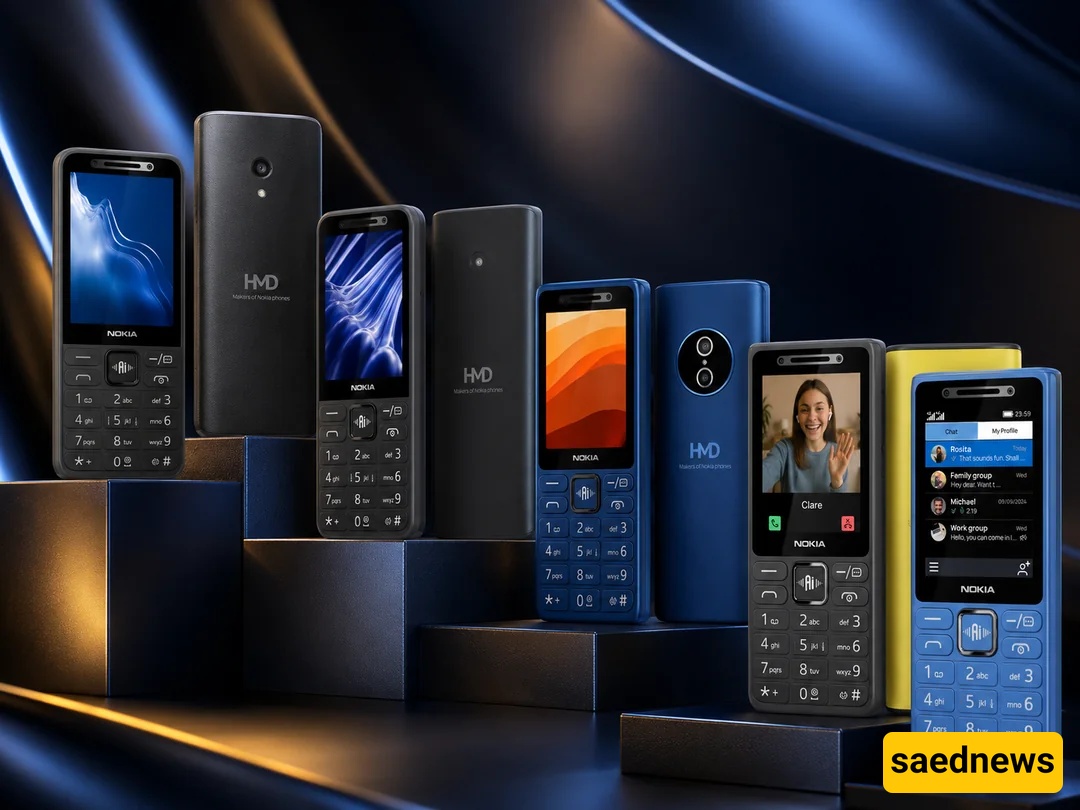
According to SaedNews: The return of the button phone is no longer simply about nostalgia. In 2026, a growing range of feature phones is trying to solve a very modern problem: how to stay connected without being pulled into everything a smartphone can do.
These devices still prioritize physical buttons, compact designs and essential communication, but some now go considerably further. Depending on the model, users can get 4G or 5G connectivity, cloud-based services, video calling, YouTube access, Wi-Fi 6 and even software specifically designed to keep social media and distracting apps out of reach.
That creates an unusual middle ground between an old-fashioned basic phone and a full smartphone.
For people who want fewer digital distractions but are not ready to disconnect completely, these five models offer some of the most interesting approaches.
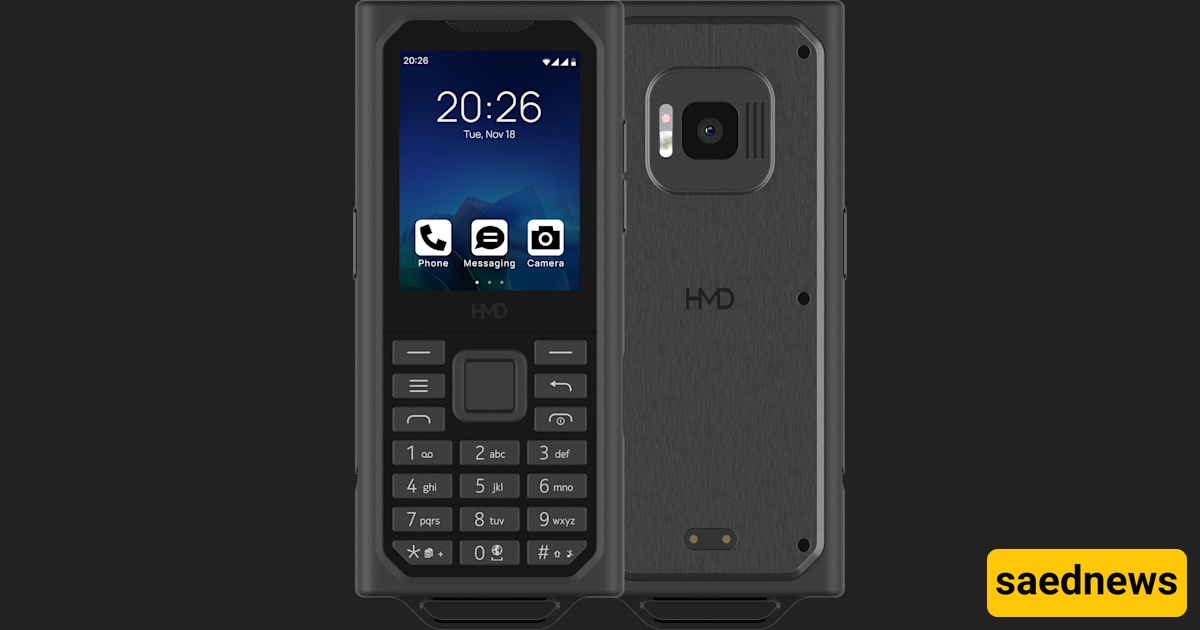
The HMD Terra M takes the traditional feature-phone concept in a distinctly rugged direction.
Designed for professionals working in the field, the compact device combines a durable build with a 2.8-inch touchscreen that can be used with gloves. It also features a powerful speaker and is designed to withstand drops from heights of up to 1.8 meters.
Its practical features go beyond durability. Programmable buttons can be assigned to walkie-talkie communication and emergency calls, making the device particularly focused on quick access to essential functions.
The Terra M is powered by a 2,510mAh battery, with up to 10 days of standby time. It also includes a dual flashlight capable of producing white and red light.
The listed price is £179.99 in the UK and €199.99 in the eurozone.
Rather than trying to imitate a smartphone, the Terra M is aimed at people who need a dependable communication tool that can handle demanding environments.
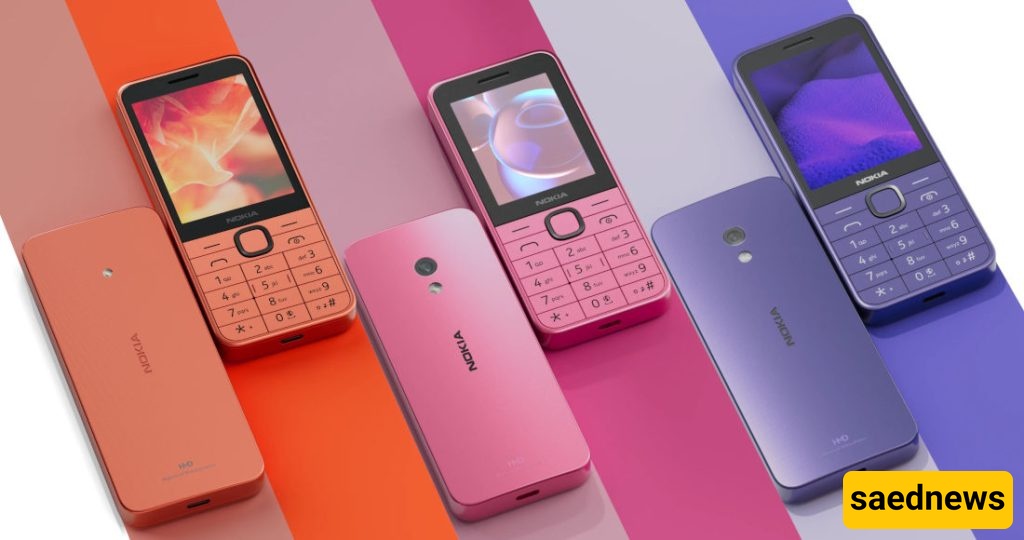
Nokia's second-generation 235 4G and 215 4G bring the familiar button-phone experience into a more connected era.
The two models were introduced earlier in the previous month and are set to become available in selected global markets, including India and parts of Europe. Their classic Nokia-inspired designs remain central to their appeal.
The biggest difference between the two is the camera setup.
The Nokia 235 4G features a 2-megapixel rear camera, while the Nokia 215 4G comes with a selfie camera instead.
Both models use 2.8-inch QVGA IPS displays and run S30+. Their 1,450mAh batteries are rated for up to 10 hours of talk time and as much as 12 days on standby.
The presence of 4G also means these phones are not limited to traditional voice calls. The connectivity supports clearer calling as well as cloud-based applications such as YouTube. HMD's Express Chat app also enables video calling.
For users who want the look and physical controls of a classic Nokia but still expect some contemporary connectivity, the two models offer a middle ground.
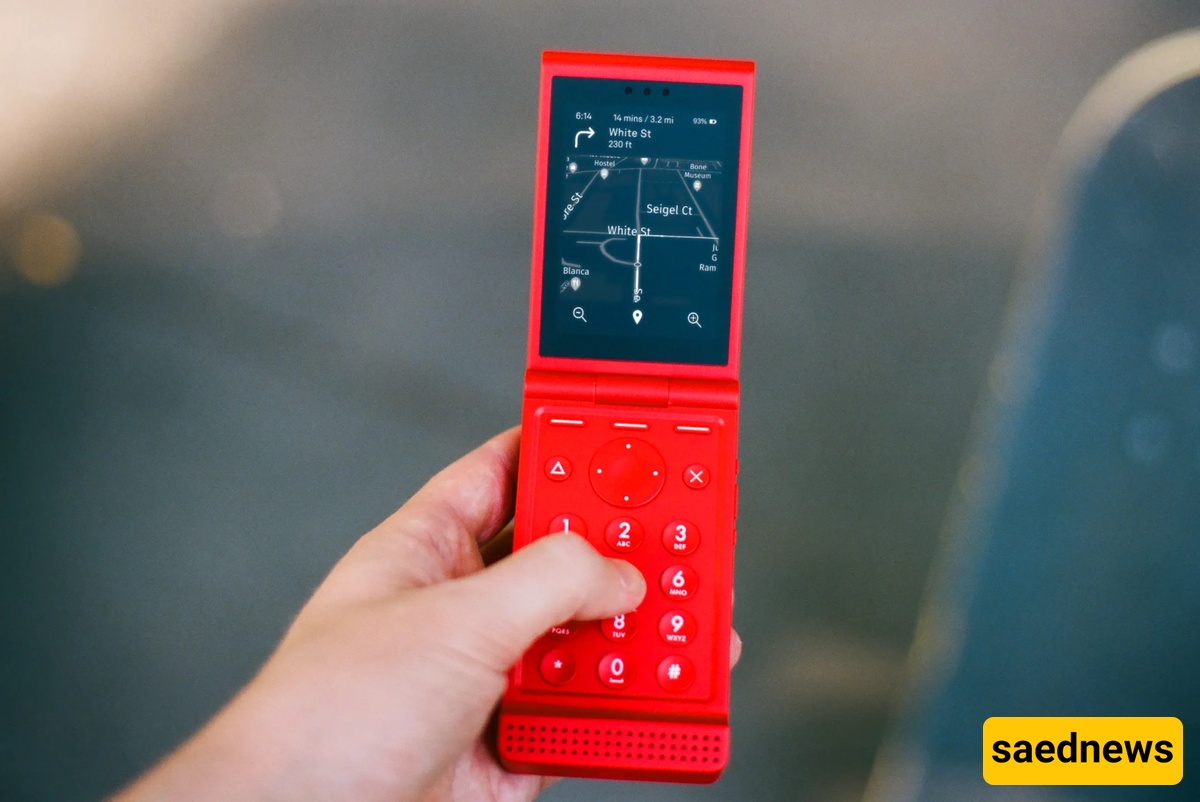
Perhaps the most unusual device on this list is the Light Flip.
It is a minimalist 5G flip phone with a 2.8-inch OLED display offering a resolution of 480 by 640 pixels. But its most distinctive feature is not its hardware. It is the software.
The phone runs LightOS, a customized lightweight version of Android designed specifically to block social networks, web browsers and addictive applications.
That makes the Light Flip particularly interesting for anyone pursuing a digital detox while still wanting access to cellular connectivity.
Under the hood, the phone features a MediaTek MT8873 octa-core processor, 6GB of LPDDR4X RAM and 128GB of UFS 2.2 storage.
It supports 5G, Wi-Fi 6 and Bluetooth 5. It also has a 50-megapixel rear camera capable of producing 12-megapixel photographs—an unusually substantial camera specification for a feature phone.
The concept is straightforward: keep the useful parts of modern mobile technology while deliberately limiting some of the features that can consume a user's attention.
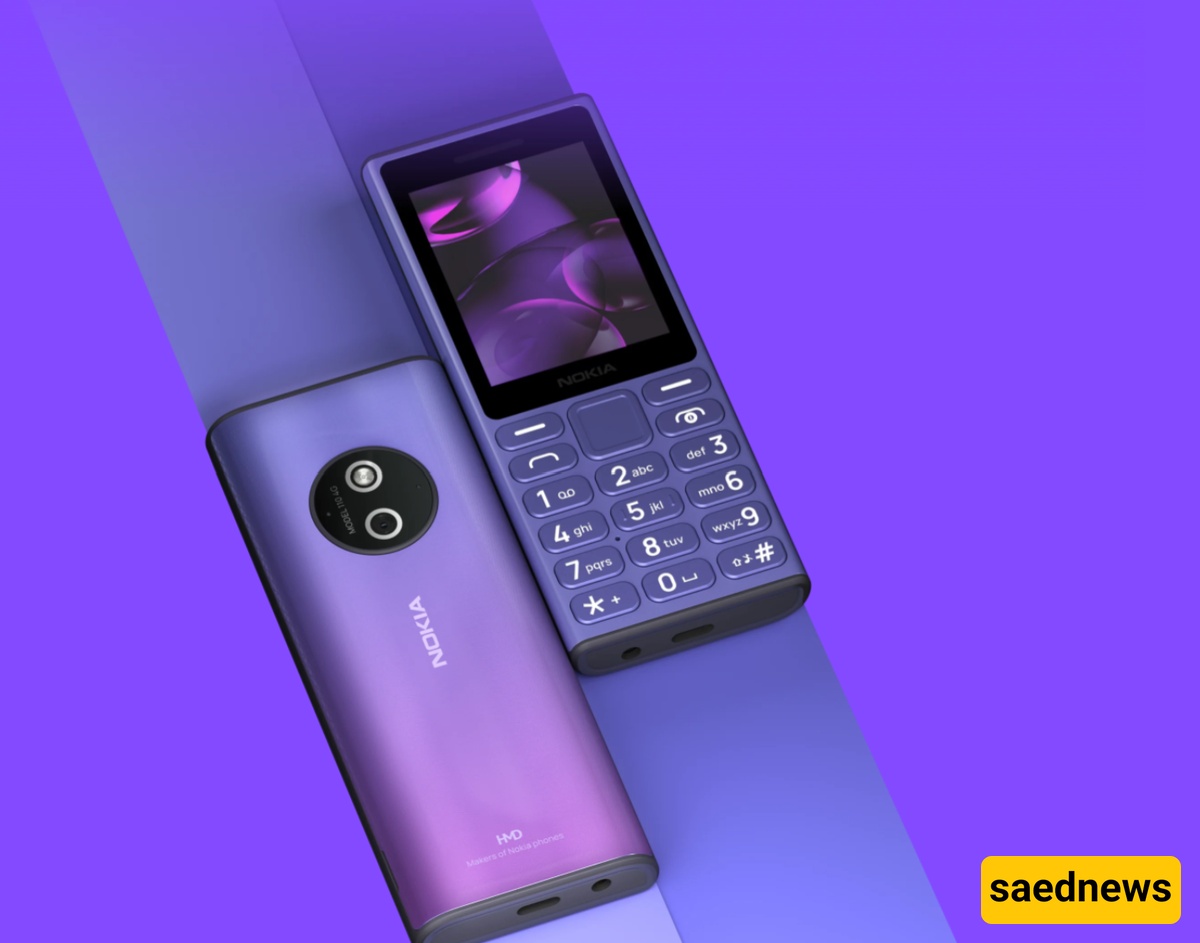
The HMD 110 4G takes a more traditional approach.
It features a 2.4-inch QVGA display and a QVGA rear camera with an LED flash. Through 4G networks, it supports HD calling.
Its polymer body comes with a ceramic-gradient finish, giving the otherwise simple phone a more distinctive appearance.
Like the Nokia models, the HMD 110 4G runs S30+. Its removable 1,450mAh battery is rated for up to 10 hours of talk time and 15 days of standby.
Charging is handled through USB-C, while the phone also offers access to selected modern services. These include YouTube, YouTube Music and live widgets for weather forecasts and news through the Cloud Phone Service.
The phone is available across Europe, the UK, Australia, New Zealand and parts of Asia. Listed regional pricing includes £39.99 in the UK and 2,599 Indian rupees.
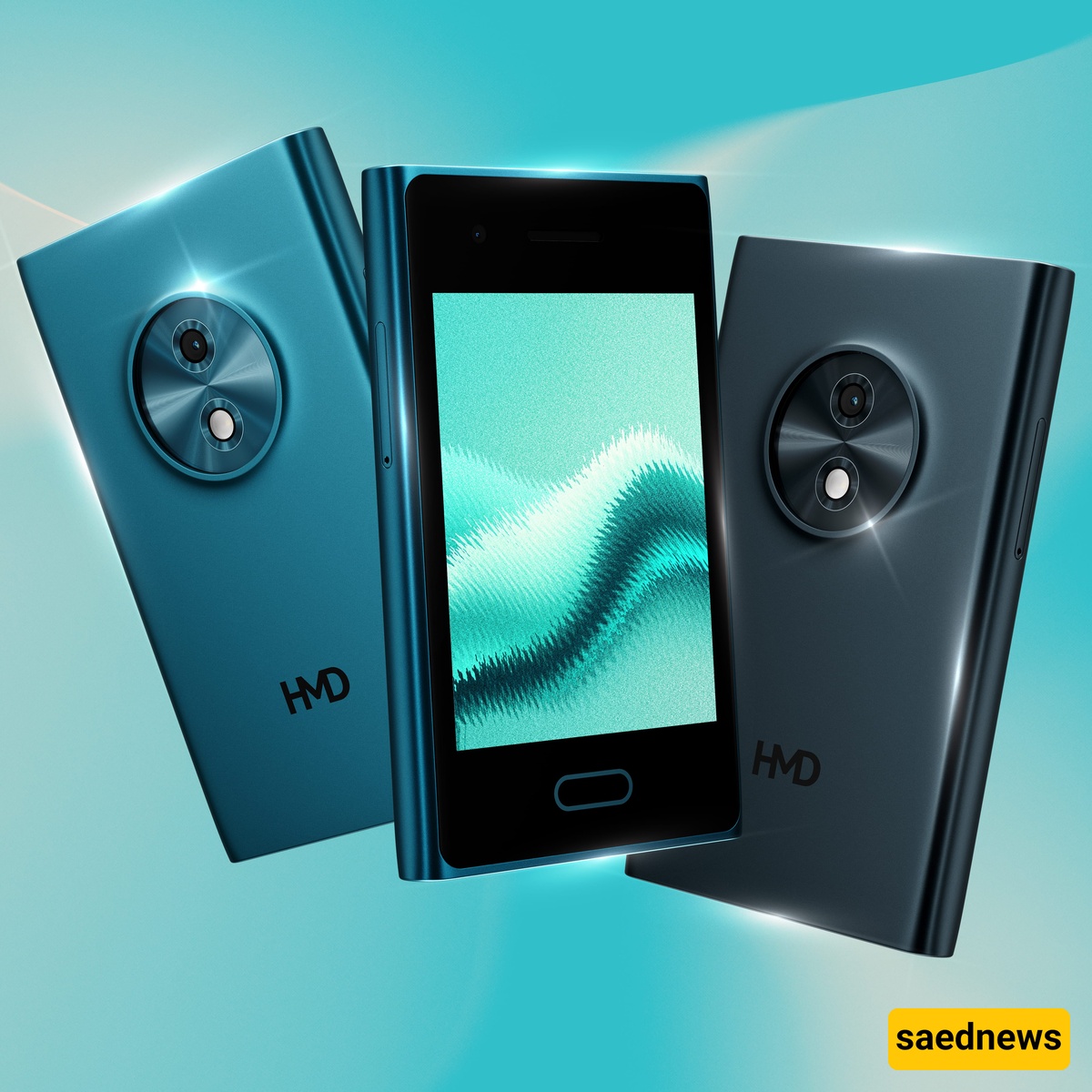
The HMD Touch 4G takes perhaps the most balanced approach for users who want some smart features without moving fully into smartphone territory.
It runs RTOS Touch, a lightweight proprietary operating system designed for compact hybrid devices.
Through the Cloud Phone Service, users can access services including YouTube, sports results, news and weather through cloud-based applications. Express Chat also allows communication with friends and family using Android or iOS devices through text, voice and video calls.
The hardware remains compact. The Touch 4G features a 3.2-inch QVGA touchscreen with 2.5D glass protection, a 1,950mAh battery, a 0.3-megapixel front camera and a 2-megapixel main camera with a rear LED flash.
It is powered by a Unisoc T127 processor and includes 128MB of internal storage and 64MB of RAM. A microSD card of up to 32GB is supported.
The HMD Touch 4G is currently available in India for 4,199 rupees, with a European launch expected later in markets such as the UK, Germany and France.
Taken together, these five options show how far the feature-phone category has moved beyond basic calls and texts.
The HMD Terra M focuses on durability and field communication. Nokia's 215 4G and 235 4G preserve a classic design while adding 4G-based features. Light Flip takes the opposite route, using modern hardware and 5G while intentionally restricting distracting software. HMD's 110 4G adds selected connected services to a traditional button-phone format, while the Touch 4G tries to bridge the gap between simplicity and smart functionality.
The most interesting part is that none of these approaches requires users to embrace the full smartphone experience.
For some people, the appeal may be a rugged device that can survive demanding work. For others, it may be the simplicity of physical buttons. And for those trying to reclaim some attention from social media and endless apps, a phone deliberately designed to leave those distractions behind may be the most compelling option.
In 2026, the feature phone is no longer simply the phone you buy because you cannot afford a smartphone. It can also be a deliberate choice about how much technology you actually want in your pocket.