SAEDNEWS: One of the main factors people consider when choosing a heater is usually the amount of heat it produces compared with the energy it consumes. If you are wondering whether a fan-assisted electric heater or a fanless model provides better warmth, read on to find out which option may be right for you.
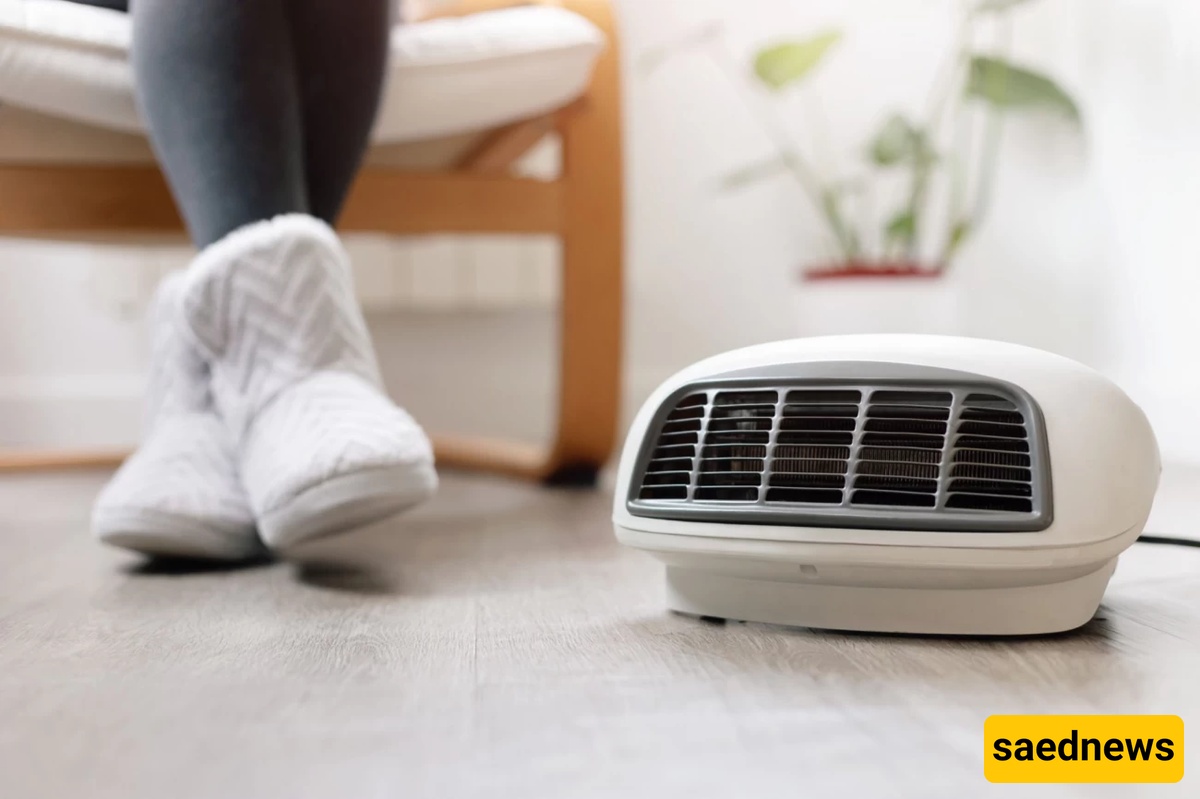
According to Saednews, electric heaters are available in a wide range of designs, including wall-mounted, floor-standing, and tabletop models. They are also available with or without fans. With so many options to choose from, shoppers can often find it difficult to determine which type of electric heater is best suited to their space and needs.
An electric heater is a practical heating appliance designed to warm relatively small spaces in a short amount of time. Electric heaters come in different sizes and models and operate at various power levels.
They can be used in a variety of settings, including bedrooms, offices, and greenhouses. Depending on the model, an electric heater can provide localized warmth or help heat an entire small room.
Electric heaters can be useful in many different situations. If you need a small heater while studying or working at a desk, a tabletop model can provide personal warmth without heating the entire room.
For a larger space, such as a child's bedroom, a wall-mounted heater can be a practical option because it can be installed out of reach while still providing warmth.
However, electric heaters can consume a considerable amount of electricity. If you need to heat a large space, using multiple electric heaters may increase energy consumption significantly. In such cases, a different heating system may be more suitable.
Fan-forced electric heaters are among the most widely used types of electric heaters. Inside these appliances are heating elements that generate heat, while an integrated fan circulates the warm air throughout the room.
Because the fan helps distribute heated air, these heaters can warm a space more quickly than models without fans.
Many modern fan-forced heaters also include safety features. Some models automatically switch off if they are accidentally tipped over. Temperature sensors can also shut the heater down when the surrounding temperature becomes too high, helping maintain a safer and more stable environment.
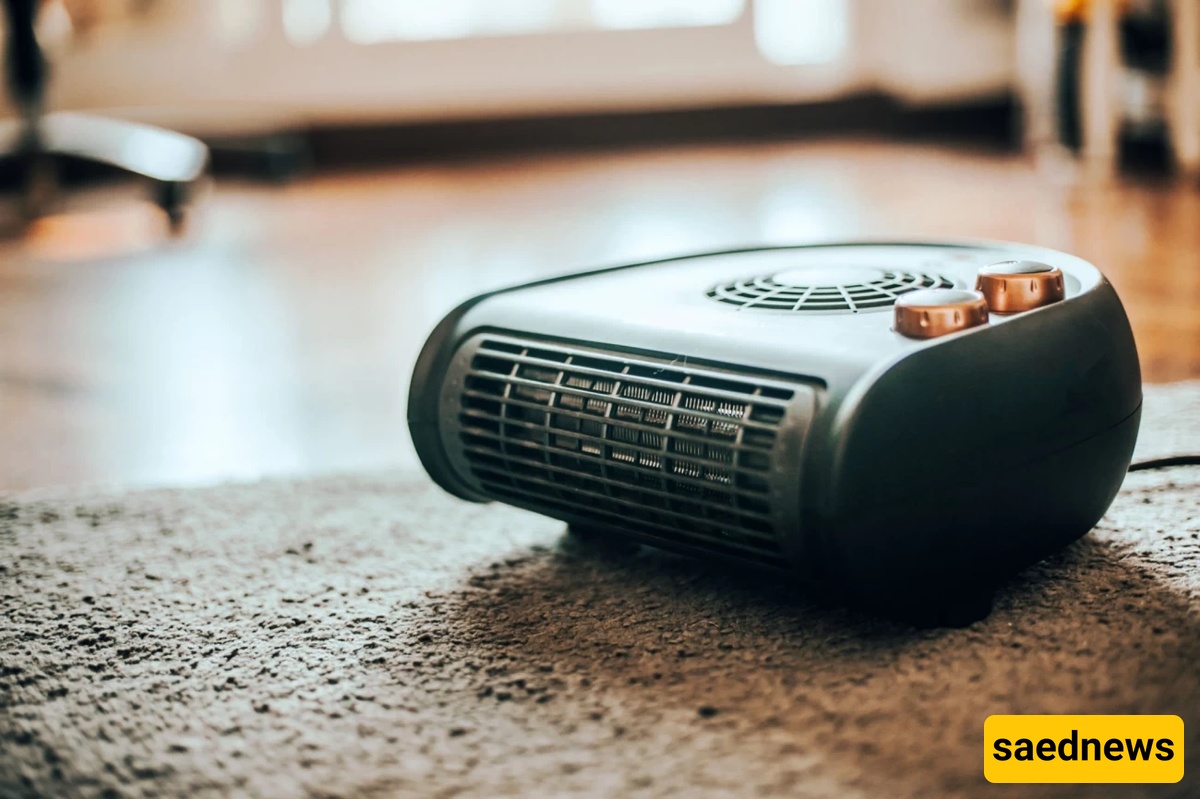
Fan-forced heaters are available in a variety of shapes, designs, and materials, making it easy to find a model that suits different preferences and interiors.
Another advantage is their portability. Since electric heaters do not require a chimney or gas piping, they can generally be moved from one location to another with ease.
One potential drawback is noise. The fan in some models can produce an audible sound, which may be noticeable when sleeping, studying, working, or performing other activities that require concentration.
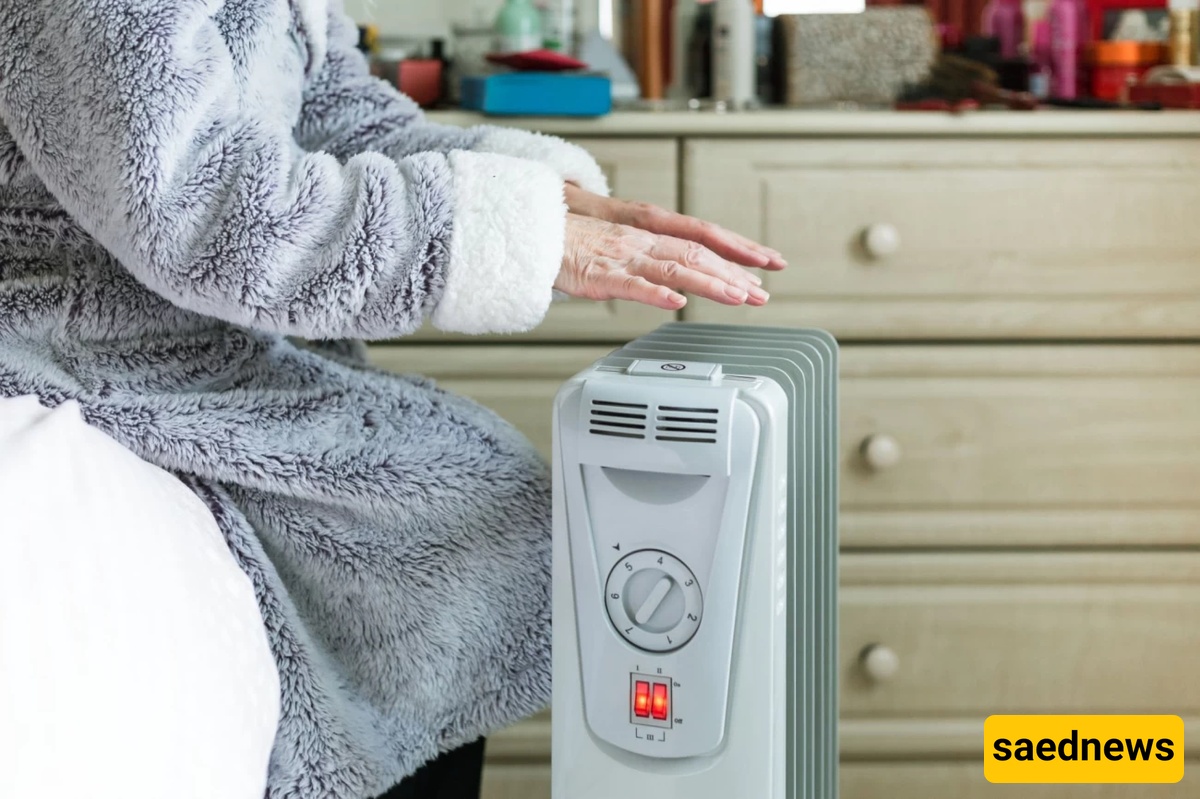
Electric heaters without fans are also widely used in homes. These models rely on heating elements to generate warmth after the heater is switched on.
Because they do not have a fan to circulate air, they generally distribute heat more gradually. However, this also means they operate more quietly, making them a suitable choice for bedrooms, study areas, and other quiet environments.
Many models include safety mechanisms designed to shut the heater off if it is accidentally tipped over. Some also feature thermostats that help regulate the temperature and prevent excessive heating.
There is no single answer because the best option depends on your needs and the environment where you plan to use the heater.
If you want heat to spread around the room quickly and do not mind the sound of a fan, a fan-forced electric heater can be a good choice. The built-in fan helps circulate warm air more rapidly.
On the other hand, if quiet operation is important to you, a fanless electric heater may be the better option. Although it generally warms a room more gradually, it operates with little to no fan noise and can create a more peaceful environment.
Ultimately, consider the size of the space, how quickly you want it to warm up, noise levels, energy consumption, and available safety features before choosing an electric heater.