SAEDNEWS: Limping in domestic ducks can be a sign of nutritional deficiencies, physical injuries, or infections. With early detection and proper treatment, your bird can return to a normal and healthy life.
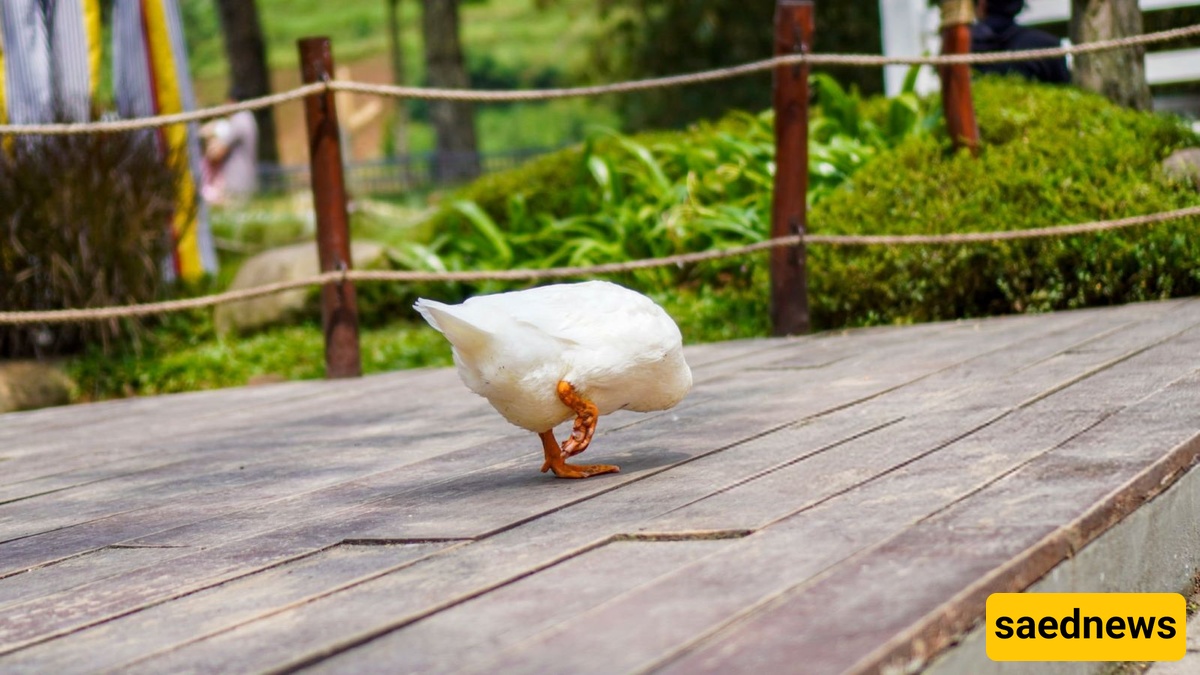
According to Saednews,Limping in domestic ducks is a common problem faced by many duck owners. Seeing a duck unable to walk properly or standing on one leg can be worrying and may indicate an underlying health issue. The causes of lameness in ducks range from simple nutritional deficiencies to bacterial infections and physical injuries. Early identification of the cause and timely treatment are essential for complete recovery and helping the bird return to normal activity.
Limping usually indicates pain, discomfort, or weakness in one or both legs. To treat the condition effectively, the underlying cause must first be identified. The most common causes include the following:
Poor nutrition is one of the most common reasons for lameness in domestic ducks, especially in growing ducklings. Ducks require specific nutrients to maintain healthy bones, joints, muscles, and tendons.
Niacin is essential for normal leg bone development. A deficiency can cause a condition known as bowed legs, where the legs become weak and bend outward. Ducklings fed mainly on corn and soybean-based diets without additional niacin are highly vulnerable to this problem. The legs may rotate outward from the hock joint, making normal walking difficult.
Vitamin E and selenium are important for healthy muscles and nerve function. A deficiency may cause muscle weakness, trembling, poor coordination, and movement problems that appear as lameness.
A proper calcium-to-phosphorus ratio (approximately 2:1) is necessary for strong bone formation. Calcium deficiency can lead to weak bones and increase the risk of fractures, while excessive phosphorus can interfere with calcium absorption and create similar problems.
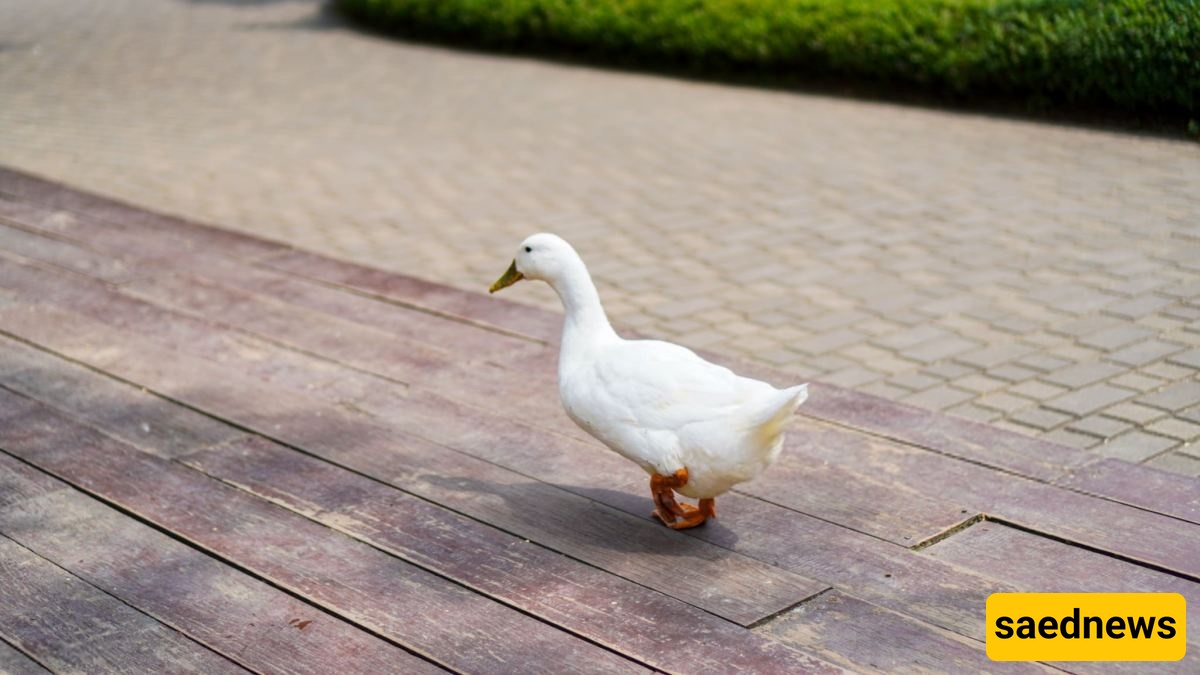
Ducks are active birds and may injure themselves in their living environment.
Bumblefoot is a common bacterial infection affecting the bottom of a bird’s foot. It usually develops due to walking or resting on rough surfaces, wet and dirty bedding, or excessive body weight. Bacteria enter through small cuts or scratches and cause swelling and abscess formation. The duck may limp to avoid putting pressure on the painful foot.
Trauma, falls, or attacks from other animals can cause broken leg bones or dislocated hip and knee joints. In these cases, the duck may be unable to place weight on the injured leg, and the limb may appear abnormal or hang loosely.
In young ducklings, the ankle tendon may move out of its normal position, causing leg deformity. This condition is often associated with nutritional deficiencies or slippery flooring.
Infections can directly affect the joints and bones of ducks.
Botulism is a toxin-related disease caused by Clostridium botulinum bacteria and is common among waterfowl. The toxin affects the nervous system and causes progressive muscle paralysis. Early signs include difficulty standing and weakness in the legs. Later, the wings may become paralyzed, and the bird may eventually die.
A bacterial infection inside the joints can cause swelling, warmth, and severe pain. It often occurs as a result of a widespread bacterial infection in the body.
Salmonella infections may cause inflammation of joints and tendons, resulting in limping and difficulty walking.
Some leg problems develop from birth or because of internal health issues.
Gout occurs when uric acid crystals accumulate in the joints, causing swelling, redness, and severe pain. In ducks, it is often linked to excessive protein intake, dehydration, or kidney problems.
Some ducklings are born with abnormal leg or joint development. These deformities may cause limping from the first days of life.
To understand why a duck is limping, observe other signs carefully.
Sudden limping: More likely caused by fractures, injuries, or trauma.
Gradual worsening: Often linked to nutritional deficiencies, chronic infections, or metabolic disorders.
Outward-bent legs and difficulty standing may indicate niacin deficiency.
A swollen, red, or injured foot pad may suggest bumblefoot.
A loose, hanging leg may indicate a fracture or dislocation.
Additional symptoms can provide clues, including:
Loss of appetite
Diarrhea
Weakness or tiredness
Tremors
Drooping wings
Sneezing
Eye or nasal discharge
For example, ducks suffering from botulism may show gradual wing paralysis along with leg weakness.
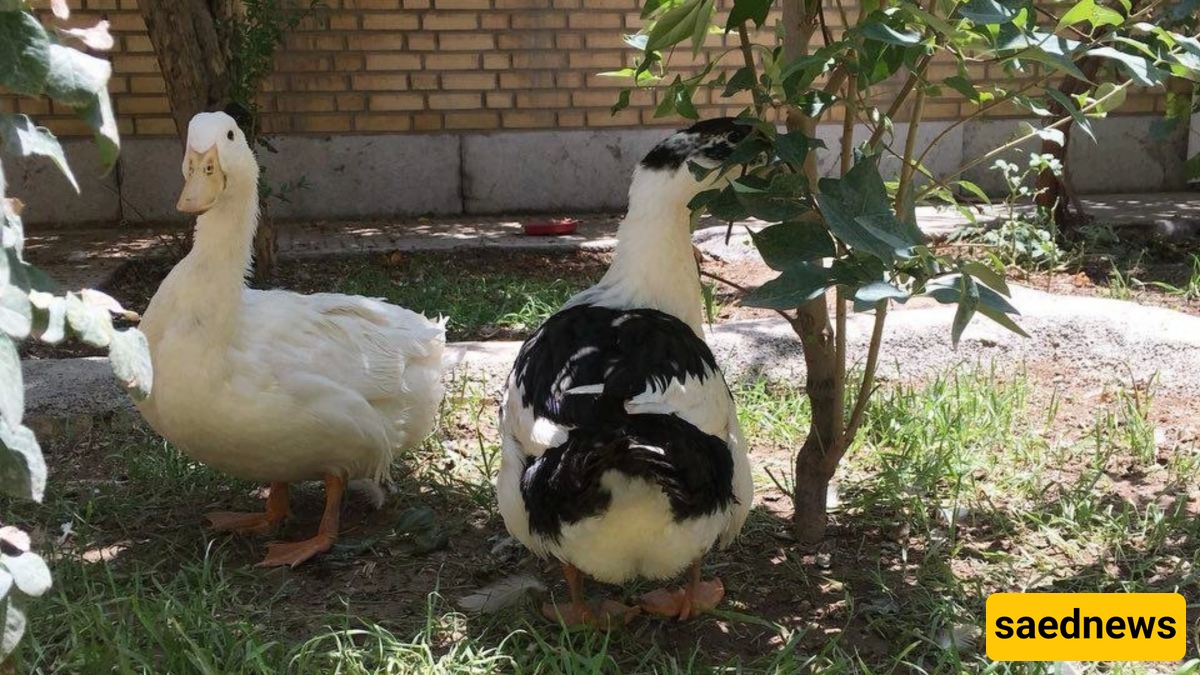
For an initial check, gently hold the duck and examine its legs. Look for:
Swelling
Deformities
Wounds
Bleeding
Warm areas around joints
Carefully move the joints. If the duck cries out in pain, inflammation or a fracture may be present.
If symptoms continue, veterinary assistance is recommended. A veterinarian may perform tests such as:
Bacterial culture
X-rays
Blood tests
to determine the exact cause.
Treatment should always match the specific cause. Avoid giving medications without a proper diagnosis.
Correct the diet immediately. Good sources of niacin include brewer’s yeast and liquid niacin supplements. Adding brewer’s yeast to duck feed or providing a proper niacin supplement in drinking water can improve symptoms within days.
This can be treated by adding poultry supplements containing vitamin E and selenium to food or water. Wheat germ oil is also a good source of vitamin E.
Improve the diet by adding calcium supplements or bone meal. Avoid feeding ducks excessive amounts of high-phosphorus foods such as bread and processed cereals.
If swelling and an abscess are present, veterinary treatment may be needed to open and drain the infection. The area is then treated with topical antibiotics and clean bandaging.
Environmental improvement is essential:
Keep bedding dry and clean
Provide soft flooring
Reduce excessive body weight
These require prompt veterinary care. Simple fractures may heal with splinting, while complicated fractures may require surgery. The duck should be kept in a small, quiet area to limit movement.
Some cases improve with massage and physical therapy. A veterinarian may reposition the tendon, while severe cases may require surgery.
Affected ducks require intensive supportive care, including:
Fluids
Assisted feeding
Separation from the toxin source
Antitoxin treatment may help during early stages, but it is not always available. Many birds recover with supportive care if the toxin exposure is limited.
Treatment usually requires strong antibiotics under veterinary supervision. Long-term medication may sometimes be necessary.
Treatment focuses on:
Reducing dietary protein
Increasing water intake
Medications that reduce uric acid levels, such as allopurinol, may be prescribed. However, gout is often a chronic condition.
Use deep, soft bedding such as:
Straw
Sawdust
Wood shavings
Keep bedding dry and clean. Avoid slippery surfaces like tiles or concrete.
Separate sick ducks from the flock to reduce stress. Provide adequate lighting and easy access to food and water.
Some ducks with severe lameness may benefit from a shallow warm-water bath. Warm water can help relax muscles and improve circulation. A 10–15 minute bath once daily may provide relief.
A duck that is limping may be suffering from anything ranging from a simple vitamin deficiency to a serious infection or injury. Proper nutrition, a safe environment, early observation, and timely treatment are the most important factors in helping a domestic duck recover and maintain healthy legs.