SAEDNEWS: A sinus cyst is a common paranasal sinus condition caused by fluid buildup behind the sinus lining. It is usually harmless and symptom-free, but if it enlarges or becomes infected, it may cause headaches, facial pressure, and nasal congestion.
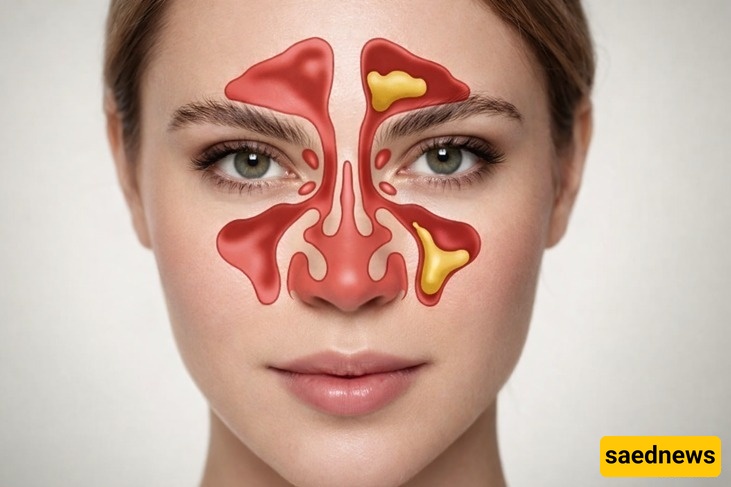
According to Saednews, Understanding the causes, symptoms, and scientific treatment methods of sinus cysts can help prevent complications and improve quality of life.
Sinus cysts usually form due to impaired ventilation and natural drainage of mucus in the sinuses. This dysfunction can result from inflammatory, structural, and environmental factors:
Chronic sinus inflammation caused by infections such as viruses, bacteria, or fungi leads to swelling of the mucous membrane and increased mucus production. This swelling can block drainage pathways, causing fluid to accumulate inside the sinuses due to improper outflow. Chronic inflammation is especially common in individuals with chronic sinusitis and can contribute to the formation of sinus cysts.
In people with allergies, repeated irritation of the nasal and sinus lining causes swelling and thickening of the mucosa, which restricts airflow and mucus drainage. Blocked sinus passages lead to mucus retention and cyst formation. Seasonal and environmental allergies—especially in regions with high pollution and allergens—can significantly contribute to sinusitis and cyst development.

Structural abnormalities such as a deviated nasal septum, nasal polyps, narrowed sinus passages, and benign or malignant tumors can obstruct airflow and mucus drainage. These conditions result in trapped fluid and cyst formation. Such abnormalities are typically diagnosed through imaging studies and thorough physical examination.
Frequent and inadequately treated infections of the nasal and sinus mucosa can worsen chronic inflammation and lead to persistent mucus accumulation. This process contributes to sinus cyst formation and is often associated with more severe complications.
Environmental pollution, repeated exposure to cigarette smoke, and industrial pollutants can damage the nasal mucosa and disrupt normal respiratory function. Dry air or excessive use of nasal sprays can also reduce mucosal defense, increasing the risk of cyst formation. Additionally, stress and lack of sleep may weaken the immune system and contribute to disease development.
Small sinus cysts are usually asymptomatic and are often discovered incidentally during imaging. However, as they grow or affect the sinuses, the following symptoms may appear:
Pain from sinus cysts is mainly due to increased pressure and inflammation of the mucosa. It is typically felt in the forehead, around the eyes, cheeks, or even teeth. The pain may be constant or throbbing and can worsen with changes in posture such as bending or lying down.
Obstruction of airflow due to mucosal swelling or cyst pressure reduces nasal breathing and may lead to mouth breathing. This can cause bad breath and dryness of the mucosa and may contribute to snoring during sleep.
Mucus accumulation in the sinuses, especially if the cyst becomes infected, can lead to thick and sometimes foul-smelling nasal discharge, indicating active inflammation or infection.
Enlargement of the cyst and blockage of nasal passages can reduce the function of olfactory receptors, leading to partial or sometimes permanent loss of smell.
Sinus cysts can cause persistent headaches, typically localized in the forehead or around the nasal cavities, which may interfere with daily activities.
Treatment depends on the type, size, underlying cause, and severity of symptoms. The best approach often combines medication, non-invasive care, and, in advanced cases, surgery.
For inflammatory and allergic conditions, topical nasal corticosteroids help reduce swelling and inflammation. Antihistamines and decongestants can relieve symptoms. If a bacterial infection is present, appropriate antibiotics may be prescribed by a physician.
Methods such as steam inhalation, saline nasal irrigation, increased fluid intake, and maintaining humid indoor air can help relieve symptoms. Quitting smoking and reducing exposure to allergens also accelerates recovery.
For cysts that do not respond to medication, endoscopic surgery is an effective and minimally invasive treatment. Using small instruments and a camera, the sinus passages are opened and the cyst is drained or removed. This procedure reduces pressure and inflammation and helps prevent recurrence.
Recent studies suggest that neurostimulation techniques, low-level laser therapy, and biological treatments may be used as complementary approaches in certain cases to help reduce symptoms.
If sinus symptoms persist for more than 10 days or are accompanied by high fever, severe pain, or facial swelling, immediate consultation with an ear, nose, and throat (ENT) specialist is necessary. Additionally, nosebleeds, significant loss of smell, persistent headaches resistant to treatment, and visual disturbances or eye movement problems require urgent evaluation. Individuals with underlying conditions, weakened immune systems, or recurrent sinus inflammation should have regular medical check-ups.