SAEDNEWS: A tea party, or tea gathering, refers to a type of ceremony and social occasion that was considered an important tradition among the Qajars during the Qajar era. Read on to learn more about this fascinating tradition and its role in Qajar society.
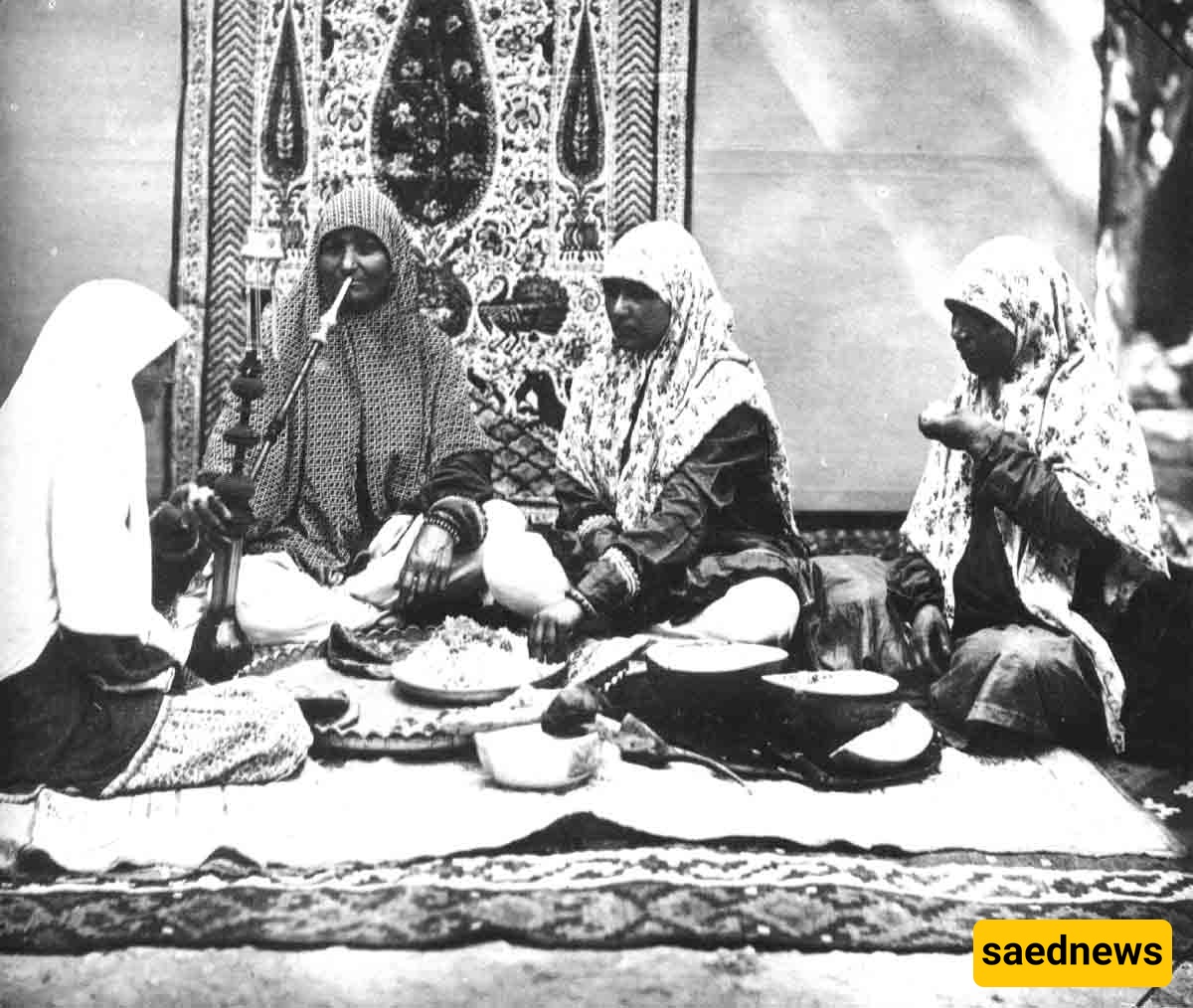
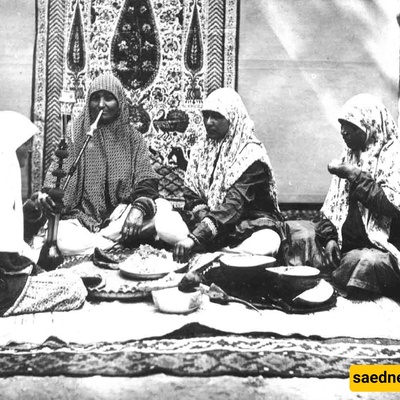
According to Saednews, Some ceremonies during the Qajar era were held with particular enthusiasm and distinctive customs. The photographs shown below depict one such gathering, described as a “tea party” for women during the Qajar period.
Although tea is now considered the most popular beverage among Iranians, its cultivation and widespread consumption in Iran date back no further than the Qajar era.
Until the Qajar period, tea was imported into Iran, mainly from India and China, by merchants. It was during the reign of Naser al-Din Shah Qajar that permission was granted for tea to be cultivated within Iran. In less than a decade, tea became the country’s preferred beverage, gradually replacing coffee.
Following the Shah’s decree in 1884, a merchant named Haj Mohammad Hossein Esfahani, who had spent years involved in purchasing and distributing tea in Iran, decided to establish the country’s first tea plantation in Lahijan. His efforts, however, failed due to resistance from local farmers.
Several years later, during the reign of Mozaffar al-Din Shah, a merchant and diplomat named Mohammad Mirza—later known as Kashef al-Saltaneh—began cultivating tea in Iran in 1897. An educated merchant who had studied at Dar al-Funun, he became interested in tea cultivation while serving at the Iranian consulate in India. He researched tea and its cultivation methods and eventually conceived the idea of producing it in Iran.
According to some accounts, upon returning from India, he secretly brought several tea seeds into Iran, reportedly concealed inside his walking stick. At the time, Naser al-Din Shah had heard that the Russians and British had succeeded in cultivating tea in their own countries and welcomed Mohammad Mirza’s initiative. After he successfully produced tea in Iran, he was granted the title Kashef al-Saltaneh.
As tea production expanded in Iran, its consumption also spread rapidly. By the end of the Qajar era, tea had become the country’s most popular beverage. People would gather for “tea parties” to drink tea together. These gatherings, held among both the elite and ordinary people, were arranged for drinking tea and smoking the water pipe. Conversation, music, and traditional storytelling were also part of the gatherings.
A tea gathering among women of the Qajar court
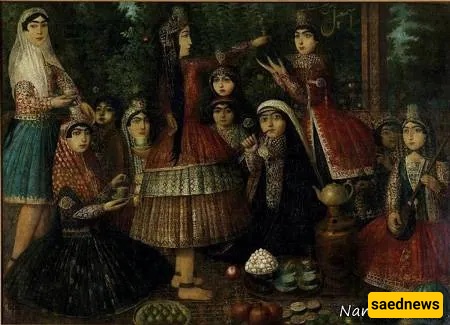
Several photographs and paintings from the period provide evidence of this custom. One of the best-known is an oil painting by Esmail Jalayer, a renowned Qajar-era painter, depicting court women attending a tea gathering outdoors. The painting, known by the same title, is preserved at the Victoria Museum and portrays the wives and princesses of the Shah at a gathering where tea and water pipes are prominently featured.
The photograph shown below depicts another such gathering. It was taken by Alfred Hinken, a German photographer and Orientalist. The photographer described the image as a “tea party” of women. It shows several veiled women gathered outdoors and drinking tea.
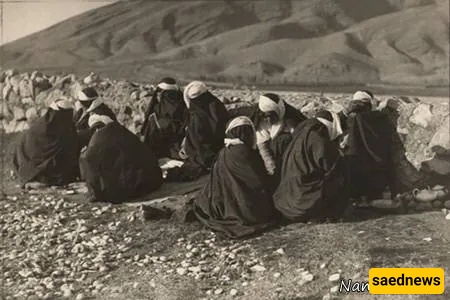
Merchant and diplomat Mohammad Mirza began tea cultivation in Iran in 1897.