SAEDNEWS: The health benefits of saffron tea have recently attracted considerable attention. Saffron tea offers a wide range of beneficial properties that can contribute significantly to your overall health and well-being.
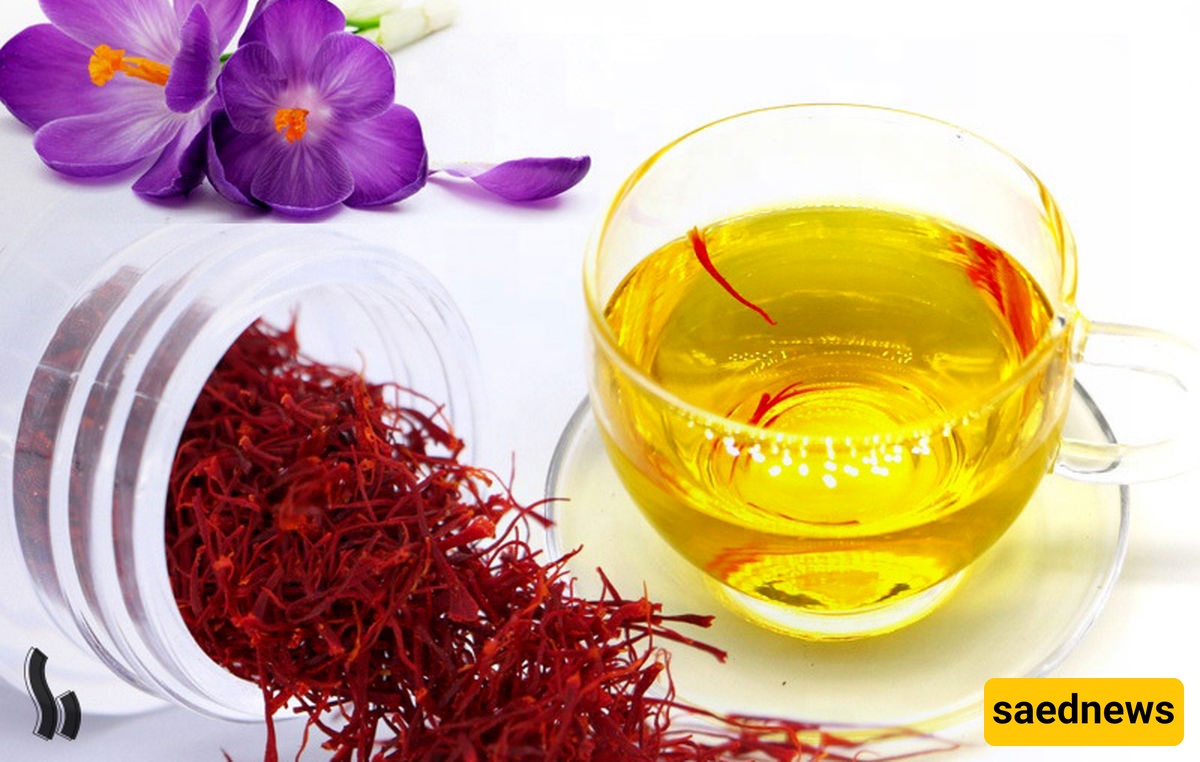
According to Saednews, If you know how to prepare saffron tea for depression, you can enjoy it as a soothing herbal drink that may help promote relaxation. Saffron is a highly valuable agricultural product that has been used since ancient times both as a spice and as a traditional remedy. Modern research has explored saffron’s potential effects on the nervous system, digestion, blood pressure, and other aspects of health, making it a widely valued medicinal spice.
Saffron is a flavorful ingredient with a pleasant aroma and numerous potential benefits. Because of its distinctive properties, it is considered one of the world’s most valuable spices. Its traditional use for promoting relaxation has also led to interest in saffron tea as a complementary approach to supporting emotional well-being.
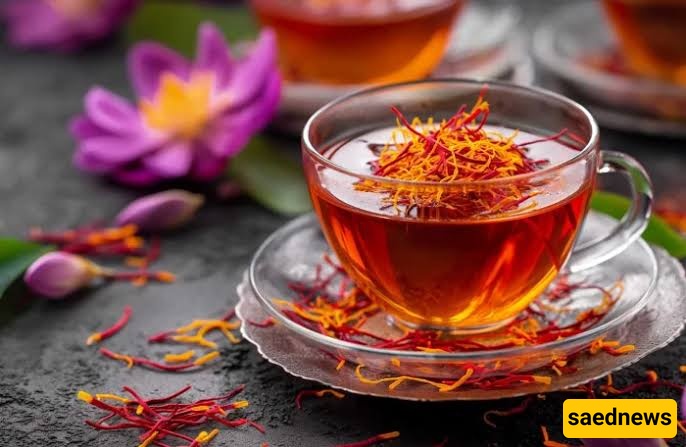
Saffron from Qaenat is among the most famous varieties of saffron produced in Iran and is widely regarded as high-quality saffron. In addition to the Qaenat region, saffron is cultivated in other parts of Khorasan Province and several other Iranian provinces. Its distinctive aroma, flavor, color, and traditional medicinal uses have made saffron an important agricultural product and culinary spice.
Beyond its culinary applications, saffron has traditionally been used for a variety of health purposes. Its potential effects on the nervous system are one area of interest, and saffron tea has been used traditionally as a relaxing beverage. Other commonly discussed properties of saffron include:
Supporting the immune system
Helping maintain healthy blood pressure
Potential antidepressant properties
Supporting healthy blood lipid levels
Promoting circulation
Supporting cardiovascular health
Helping with digestive problems such as stomach ulcers and colitis
Supporting memory and cognitive function
Helping reduce symptoms associated with premenstrual syndrome
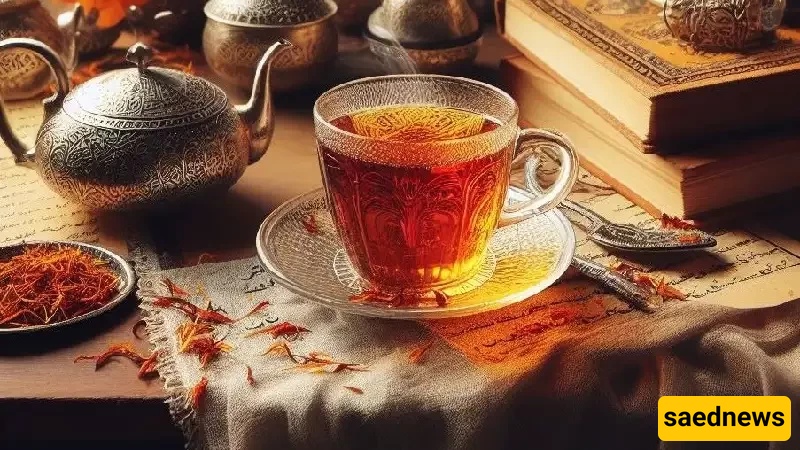
Before learning how to prepare saffron tea for depression, it is useful to understand its potential effects on the nervous system. Research into saffron and mental well-being has focused particularly on compounds found in the saffron stigma. Some studies suggest that saffron may help support relaxation and reduce certain symptoms associated with depression. Compared with some conventional treatments, saffron has been investigated as a potentially well-tolerated complementary option, although it should not automatically be considered a replacement for prescribed medication.
Some of the commonly discussed effects of saffron on the nervous system include:
Saffron may support cognitive function and memory. Research has investigated its potential role in protecting brain health and reducing the risk of certain neurological problems.
Another potential benefit of saffron is its ability to support sleep quality and help reduce occasional sleep difficulties.
Compounds in saffron may support the nervous system and help promote a greater sense of calm. Traditionally, saffron has been associated with reducing feelings of stress, fear, and irritability. Its potential mood-supporting properties have also made saffron tea a popular relaxing drink.
Saffron tea can be consumed as a soothing beverage when experiencing occasional mental fatigue or low energy. Its pleasant aroma and flavor may also contribute to a relaxing experience.
Research has investigated saffron and its possible anticonvulsant properties. However, saffron tea should not be used as a substitute for medical treatment for seizures or epilepsy.
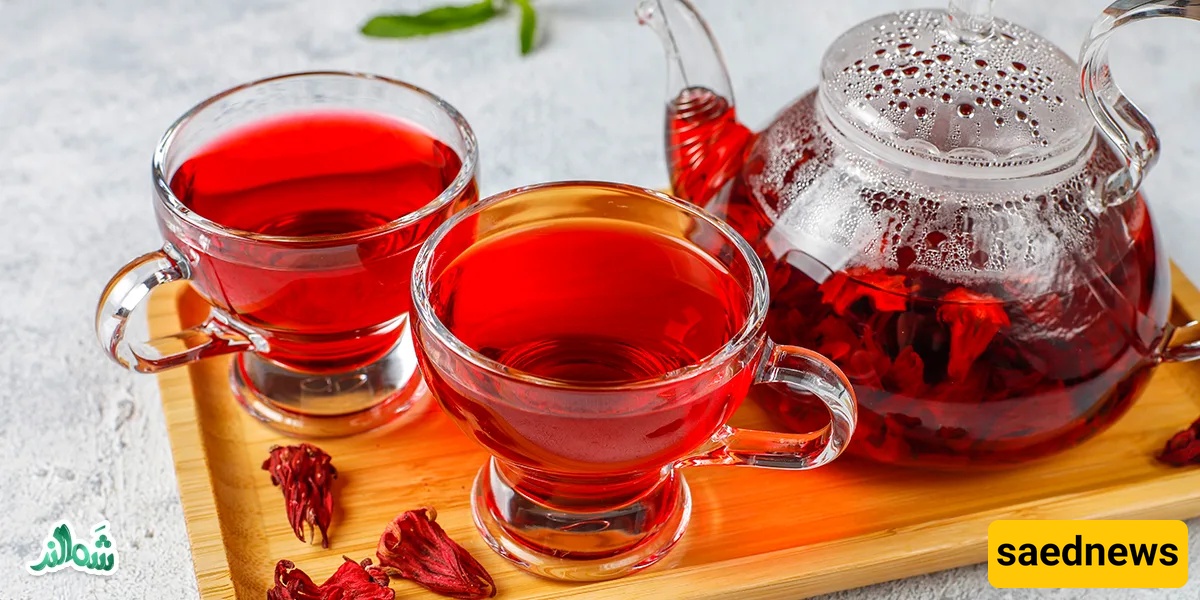
Saffron contains bioactive compounds with antioxidant and anti-inflammatory properties. Researchers have studied their potential effects on inflammation and neurological health.
Depression is a mental health condition that can significantly affect a person's daily life. Although it is generally classified as a mood disorder, it can also affect physical health, sleep, motivation, concentration, and overall quality of life.
For this reason, people experiencing depression should seek appropriate treatment. Medical treatments and psychological therapies are established approaches to managing depression, while saffron tea may be considered a complementary beverage rather than a replacement for professional care.
Saffron tea is easy to prepare and produces a fragrant, flavorful drink. Here is a traditional preparation method.
A few strands of saffron or a small amount of saffron powder
Boiling water
Honey
Ginger
Cinnamon
Use genuine, high-quality saffron whenever possible. To prepare the tea, place the saffron in a porcelain or glass teapot and add boiling water. Add ginger and cinnamon if desired. Place the teapot over gentle indirect heat, such as over a kettle of simmering water, and allow the saffron to steep for about 15–20 minutes.
Once the tea has infused, pour it into a cup and sweeten it with honey if desired. Ginger and cinnamon are optional, so saffron tea can also be prepared without them.
Another way to prepare saffron tea is the Moroccan-style version. The ingredients include:
Green tea
A few strands of saffron
Boiling water
Sugar or honey
To prepare it, place the green tea leaves in a teapot and briefly rinse them with boiling water, then discard the water. Add the saffron strands and allow the tea to steep over gentle indirect heat.
After approximately 15–20 minutes, pour the tea into a cup and add sugar or honey according to taste. Fresh mint can also be added to the teapot while the tea is steeping.
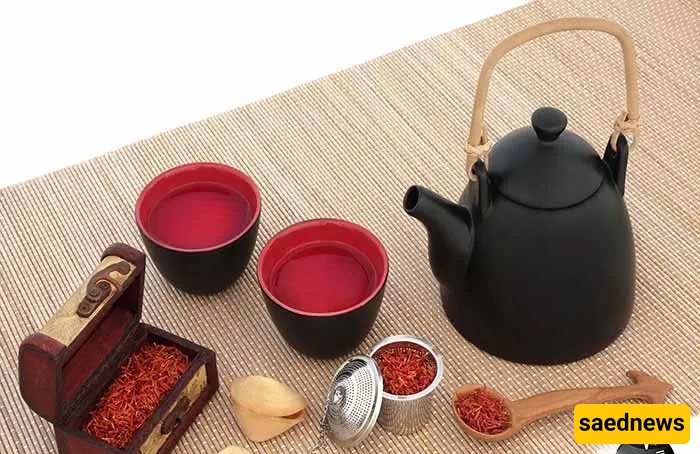
Saffron contains a variety of compounds that contribute to its nutritional and traditional medicinal value. Its strands contain carotenoids and other bioactive compounds, including beta-carotene, alpha-carotene, anthocyanins, vitamin B compounds, zeaxanthin, antioxidants, and other carotenoids.
These compounds have been studied for their potential antioxidant effects and possible roles in supporting the body's response to oxidative stress, as well as mood and overall well-being.
Saffron also contains manganese, a mineral involved in enzyme activity and energy metabolism and important for maintaining healthy bones and normal connective-tissue function.
Although saffron tea is easy to prepare, moderation is important. Consuming excessive amounts of saffron can be harmful, just as excessive consumption of many other foods and herbs can be. Saffron's diverse culinary applications also contribute to its importance as a valuable international agricultural product.
After learning how to prepare saffron tea for depression, it is also useful to understand some of the other potential benefits associated with saffron. Its distinctive aroma and vibrant color have made it a popular ingredient in kitchens, restaurants, hotels, and catering services.
Potential areas of interest include:
Supporting eye health and vision
Interacting with the gut microbiome
Supporting mood and feelings of well-being
Supporting cardiovascular health
Helping maintain healthy circulation
Supporting digestive function and metabolism
Traditionally used as a soothing drink for occasional abdominal discomfort
In traditional medicine, saffron is generally described as having warming and drying properties. Anise and sekanjabin have traditionally been considered complementary substances. Saffron is commonly consumed as an infusion because many of its active compounds can be extracted into water.
Traditionally, saffron tea is sometimes served with rose water and rock candy to enhance its flavor. However, saffron tea should be viewed as a complementary beverage rather than a proven treatment for depression or other medical conditions. Anyone experiencing persistent or severe depression should consult a qualified healthcare professional.