SAEDNEWS: For centuries, unexpected lights with glowing tails crossing the night sky were interpreted as messages from the heavens. The story of comets reveals how fear, politics, and limited scientific knowledge shaped human explanations of the universe.
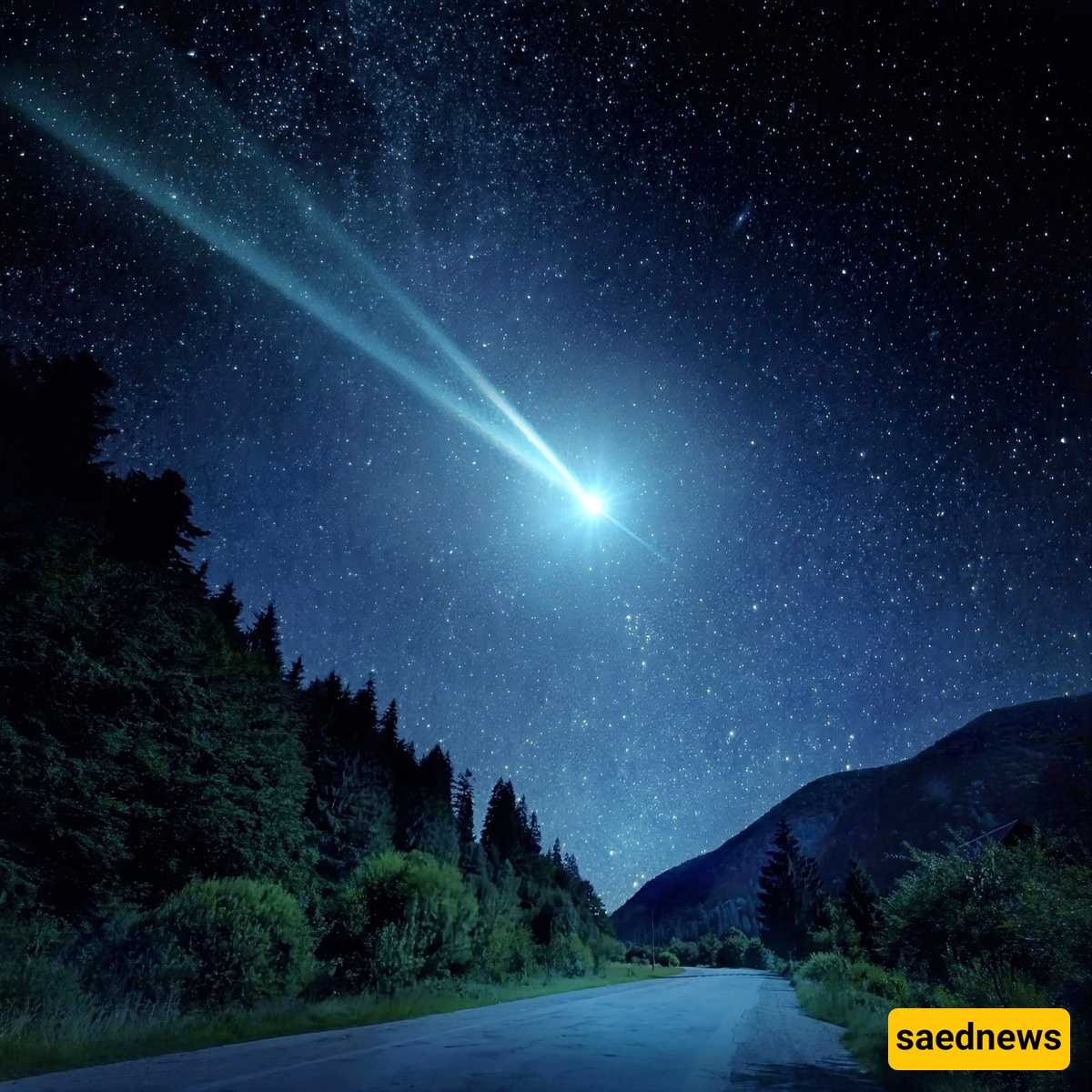
According to SaedNews, For much of human history, a comet appearing in the sky was not simply an astronomical event. To many societies, it was a mysterious visitor that arrived without warning, often during moments of political crisis, war, disease, or the death of rulers. Because people did not understand what comets were or why they appeared, many interpreted them as messages, warnings, or signs from supernatural forces.
The fear was partly caused by the unusual nature of comets. Unlike predictable stars and planets, comets seemed to suddenly appear, grow brighter, develop long tails, and then disappear. Ancient observers often described them as “long-haired stars,” a strange image that made them appear different from anything else in the sky. Modern astronomy has shown that comets are icy bodies left over from the formation of the solar system, made largely of ice, dust, and rock.
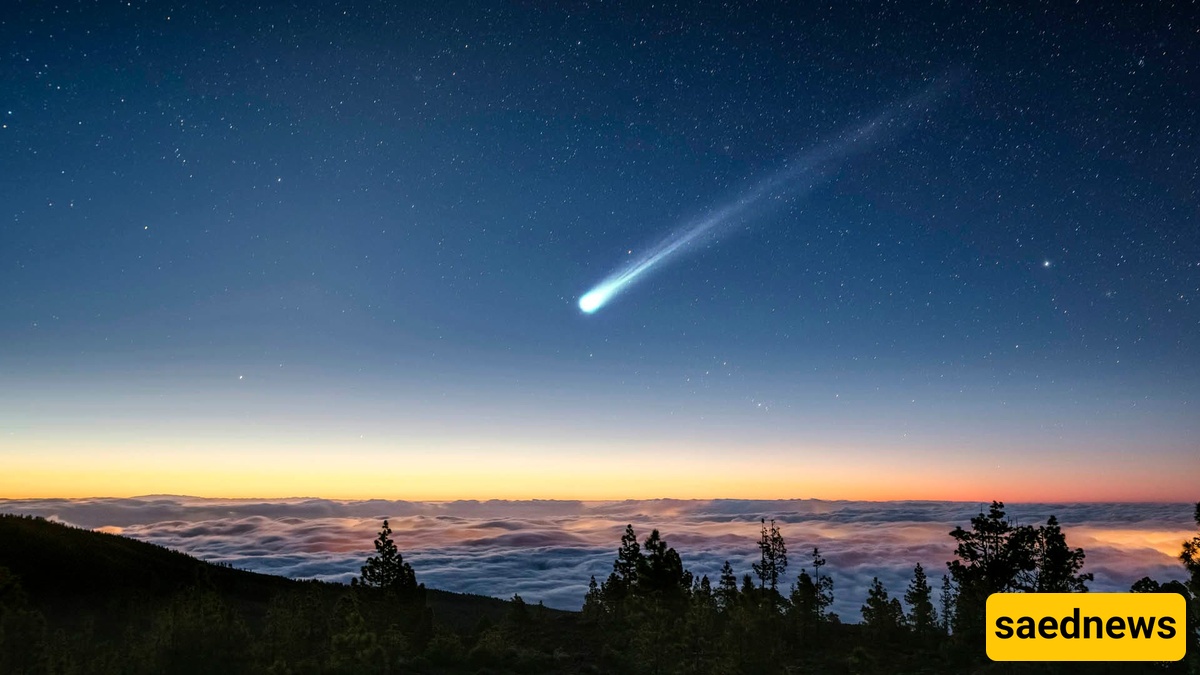
One of the most famous examples is Halley’s Comet and its appearance in 1066. In England, many people viewed the comet as a bad omen because it appeared before the Norman invasion and the defeat of King Harold II at the Battle of Hastings. The event was later remembered in the Bayeux Tapestry, where a comet is shown above frightened observers as the political crisis unfolds.
However, the same comet did not have the same meaning for everyone. William the Conqueror and his supporters interpreted it as a favorable sign connected to his ambitions. This difference shows an important feature of omen traditions: people often interpreted the same event according to their hopes, fears, and political circumstances.
For ancient societies, the sky was closely connected with earthly events. The movements of celestial objects were often believed to reflect or influence human affairs. A rare event that interrupted the familiar pattern of the heavens could easily become associated with major changes.
Comets were especially powerful symbols because they were unpredictable. A solar eclipse or a planetary movement could be calculated by some ancient astronomers, but a sudden bright comet seemed to arrive without explanation. Its unexpected appearance made it easy to connect with ideas of uncertainty and danger.
Historical records show that different cultures recorded comets in different ways. Chinese astronomers carefully documented appearances of comets, while European societies often connected them with the deaths of kings, political changes, or disasters. The same object could be treated as a scientific observation, a spiritual message, or a political symbol depending on the culture.
The transformation began as astronomy developed. As scientists learned more about the laws governing motion in space, comets gradually moved from the world of prophecy into the world of physics.
A major turning point came with Edmond Halley’s work. By studying previous observations, Halley argued in the early 18th century that several recorded appearances were actually the same returning comet. His prediction that the comet would return was later confirmed, demonstrating that these objects followed natural laws rather than appearing randomly as supernatural warnings.
Today, scientists study comets because they preserve material from the early solar system and can provide clues about how planets formed. Space missions and telescopes have transformed comets from feared signs of disaster into valuable scientific discoveries.
The old belief in comets as bad omens tells a larger story about humanity’s relationship with the unknown. Before modern science could explain unusual events, people used the knowledge and beliefs available to them to make sense of the universe.
Comets were never truly warnings written across the sky, but the stories built around them reveal how deeply humans have always searched for meaning among the stars.