SAEDNEWS: Medieval castle windows were small for a reason: their unusual design balanced protection, visibility, and defense, turning simple openings in stone walls into powerful tools during times of war.
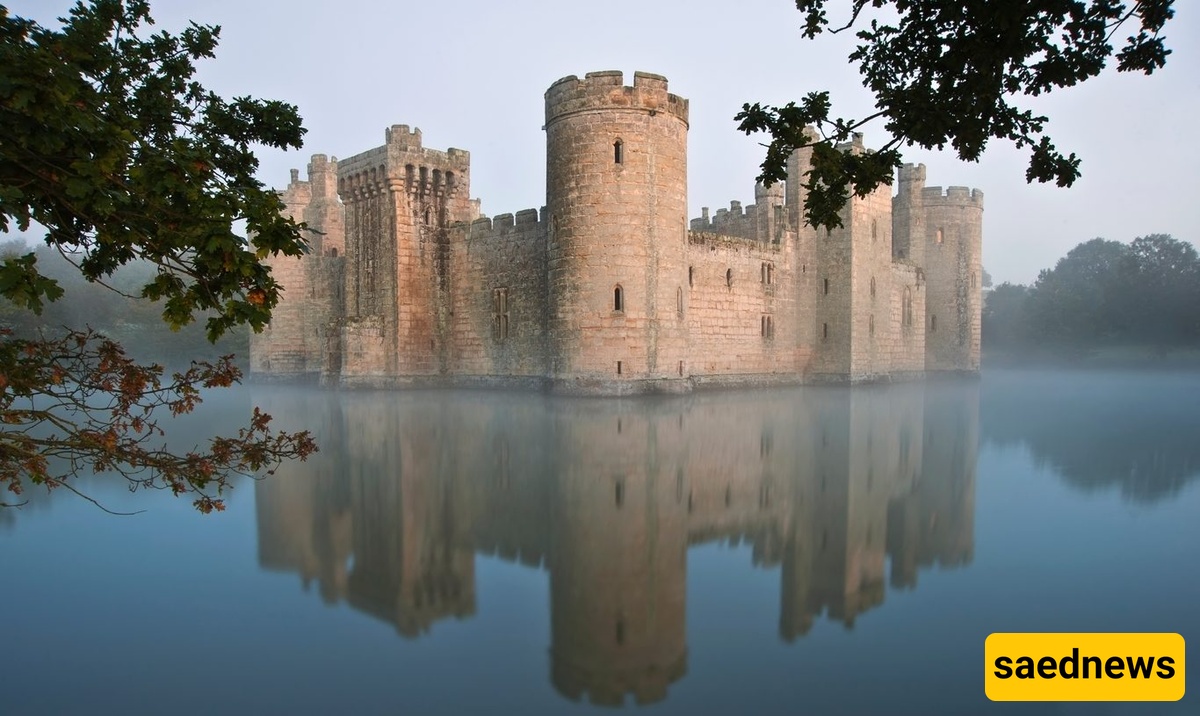
According to SaedNews, medieval castles often appear mysterious because of their thick stone walls, dark interiors, and surprisingly tiny windows. To modern visitors, these narrow openings can seem uncomfortable or impractical, especially compared with the large glass windows found in modern buildings. But the small size of castle windows was not a mistake — it was a carefully planned feature shaped by centuries of warfare, engineering, and survival.
The medieval castle was not designed primarily for comfort. It was a fortified residence built to withstand attacks, and every part of its structure had a purpose. The small windows helped protect the people inside while still allowing light, fresh air, and — in many cases — a strategic advantage against attackers.
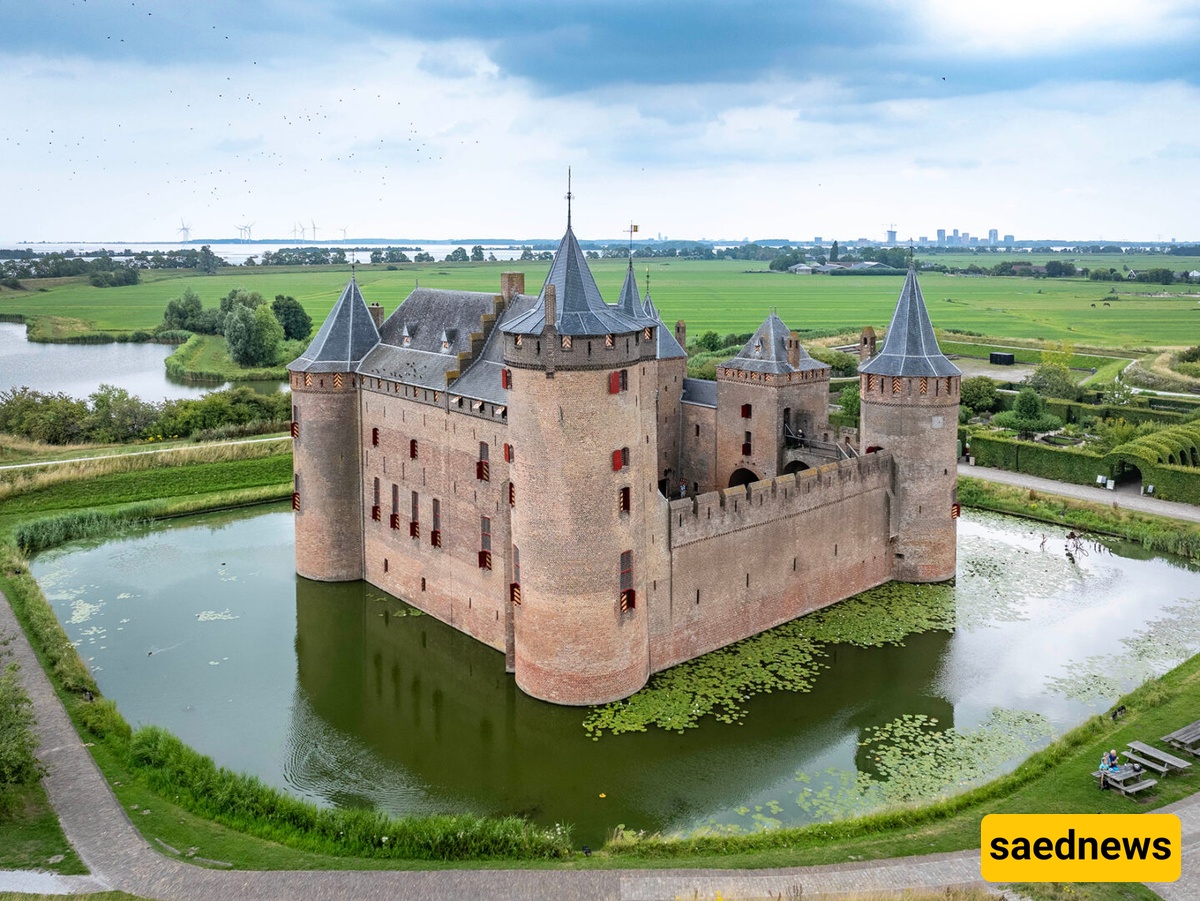
One of the most famous types of castle windows was the arrow slit, also known as an arrow loop or loophole. From the outside, these openings looked like narrow cuts in the stone wall. Their design allowed defenders to fire arrows or crossbow bolts while exposing as little of themselves as possible.
The outside opening was deliberately narrow because a larger opening would weaken the wall and provide attackers with an easier target. An enemy archer trying to shoot back through such a small gap would have had a very difficult time hitting anyone inside.
However, the inside of many arrow slits was much wider. The stonework expanded inward, creating a larger space called an embrasure. This allowed defenders to move, aim, and see a wider area outside the castle while remaining protected behind the thick stone walls.
Not every small window in a medieval castle was designed for combat. Castles were also homes for nobles, soldiers, servants, and their families. Rooms needed some natural light and ventilation, but large openings would have created serious weaknesses in the defenses.
Builders therefore had to find a compromise. Windows were often made smaller in important defensive areas, while more comfortable living spaces sometimes had larger openings, especially in later periods when warfare changed and castles became more like residences.
This explains why some castles contain both tiny defensive slits and larger decorative windows. The design of a castle changed depending on whether the priority was protection, status, or comfort.
During a siege, castle walls faced powerful threats. Attackers could use arrows, siege machines, and attempts to break through entrances. A large window would have created a weak point where weapons, flames, or attackers could potentially enter.
Thick stone walls and small openings helped solve this problem. The castle could remain secure while allowing defenders to monitor the outside world.
In military architecture, even a small opening had to be carefully considered. Too many windows could weaken a wall, while too few could make the interior dark and difficult to defend.
The design of arrow loops shows how medieval builders understood practical engineering. They were not simply creating holes in walls; they were designing systems that controlled visibility and movement.
Some arrow loops were shaped vertically, while others developed into cross-shaped openings that supported different weapons, including bows and crossbows. Their designs changed as military technology evolved.
The goal was always the same: give defenders the greatest possible advantage while giving attackers the smallest possible opportunity.
Over time, castles became less important as military technology changed. Gunpowder weapons made many traditional defenses less effective, and castles gradually transformed into grand homes, ruins, or historical monuments.
Today, those tiny windows are among the most recognizable features of medieval architecture. What looks like a simple design choice actually represents centuries of experience in warfare, construction, and human adaptation.
The small castle window was never simply a window. It was a carefully calculated piece of medieval technology — one that reveals how people built for survival in a dangerous world.