SAEDNEWS: In August 1944, more than 900 Japanese POWs launched a mass breakout from an Australian camp at Cowra, leaving 234 Japanese prisoners and five Australians dead. The uprising reflected a wartime culture in which surrender was widely regarded as a profound disgrace.
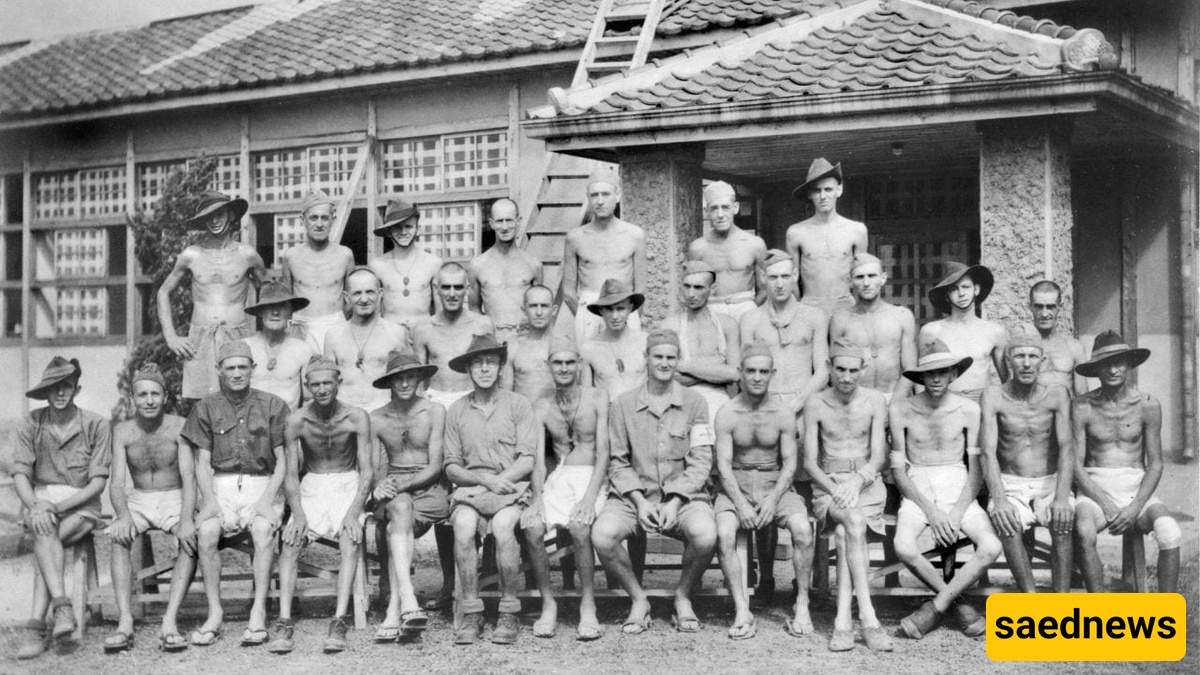
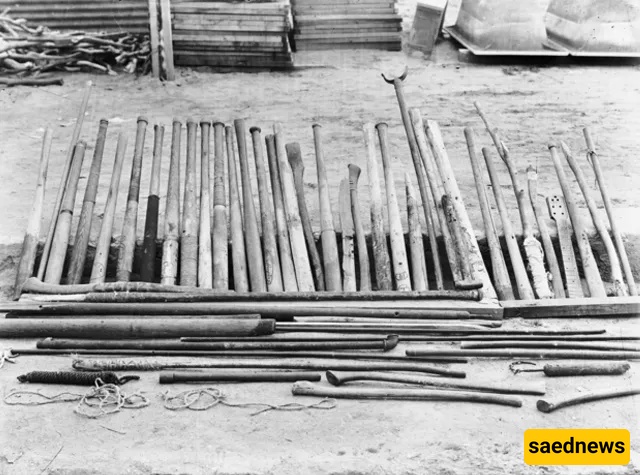
According to SaedNews: Shortly after 2 a.m. on August 5, 1944, a Japanese prisoner climbed over the fence at the Cowra prisoner-of-war camp in New South Wales, appearing frightened and in tears. A guard fired two warning shots, but before he could determine what was happening, a bugle sounded. More than 900 Japanese prisoners then poured from their huts carrying baseball bats, gardening implements and cutlery as weapons.
The uprising would become the largest prison escape of World War II. At first, 231 Japanese POWs were killed and 108 wounded. Three more later died from their injuries, bringing the Japanese death toll to 234. All surviving escapees were eventually recaptured. Five Australians also died, including two who were killed while trying to disable a machine gun so the prisoners could not use it. The Japanese prisoner whose distress alerted the guards was also among the dead.
Despite its scale, the Cowra breakout remains relatively unfamiliar outside Australia. Its significance is closely tied to the Japanese military culture of the period, in which surrender was viewed as an act that could bring shame to soldiers, their families and their country. Documentary filmmaker Yasuhiro Mitsuda said in 2021 that many Japanese prisoners considered their lives worthless and entered the breakout expecting to be shot.
Of the 1,104 Japanese POWs held at Cowra, most ultimately supported the uprising. Researchers and historians have connected that decision to wartime Japanese nationalism, which placed loyalty to the emperor and the collective above individual interests.
Joseph C. Grew, the former U.S. ambassador to Japan, wrote in 1942 that Japanese children were taught the strength of the group and the discomfort associated with putting personal wishes ahead of collective demands. Military conditioning intensified that outlook. Author Mat McLachlan wrote that Japanese soldiers reaching the battlefield had largely lost any sense of individuality, while military doctrine became the moral framework guiding their actions.
That doctrine was expressed in the Senjinkun, a pocket-sized military code issued in January 1941. Among its instructions was a demand that soldiers remain prepared to sacrifice themselves for their units without considering personal interests or survival. It also warned soldiers against the disgrace of becoming prisoners.
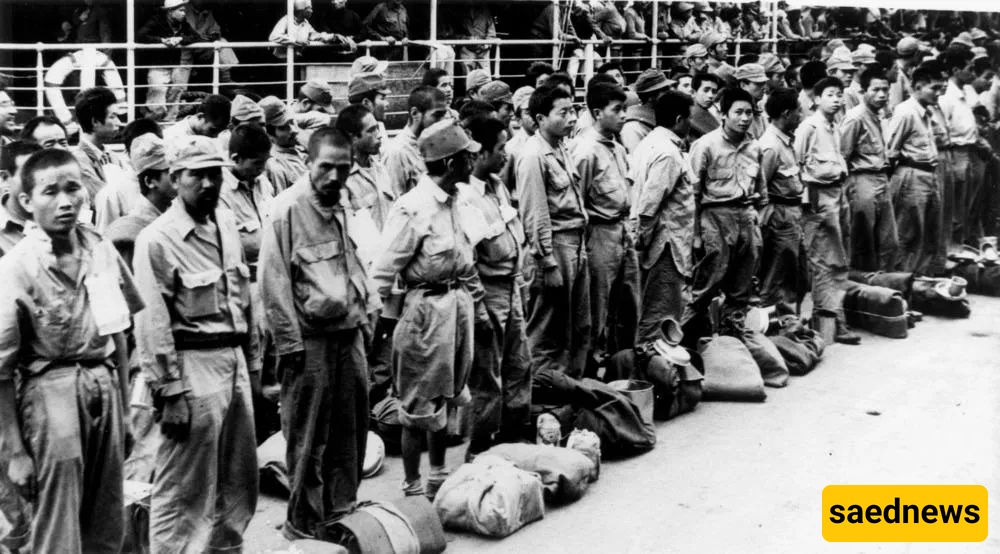
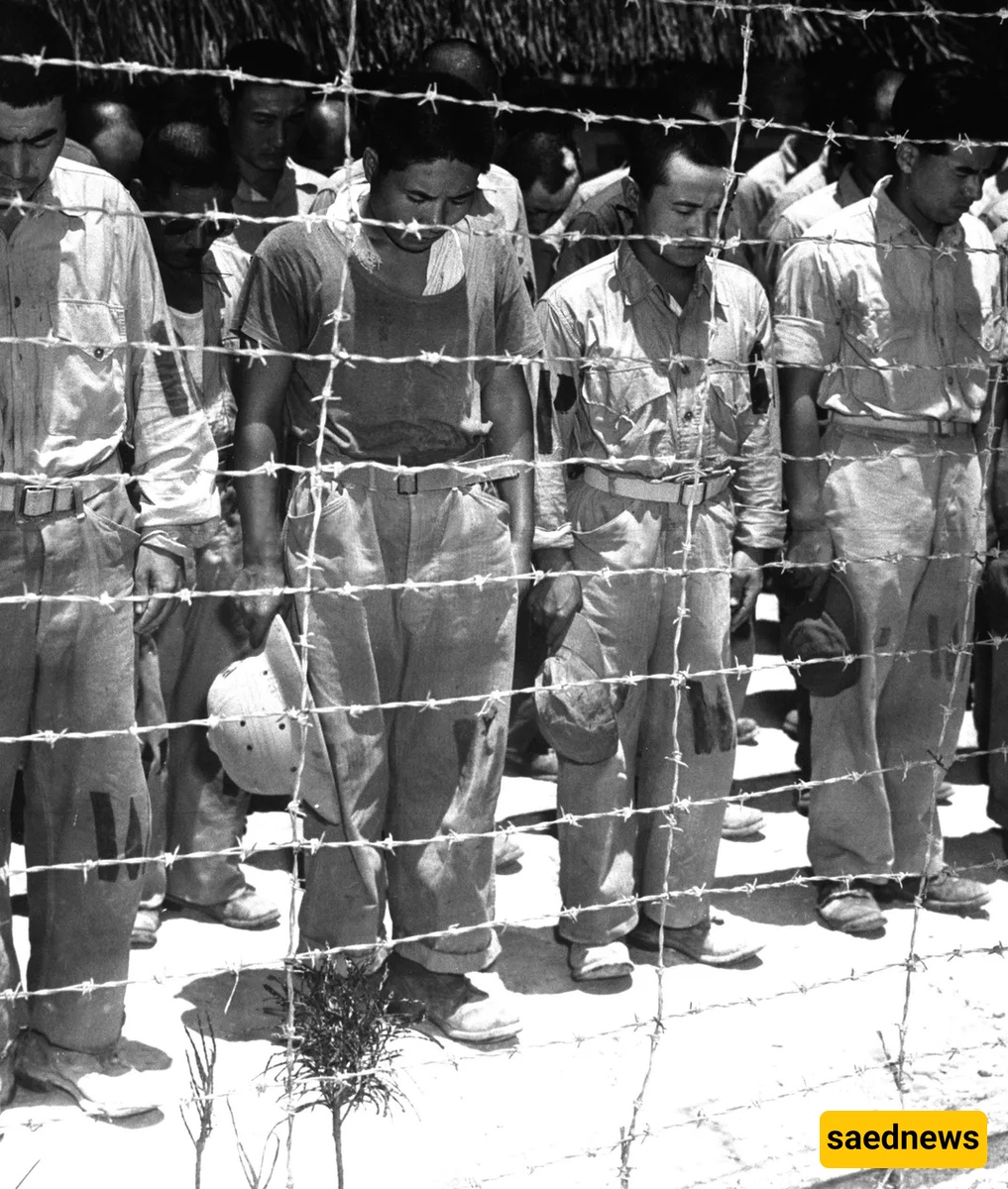
The message had a striking effect. During World War II, Western Allied forces captured an estimated 35,000 Japanese service members, compared with nearly 8 million German prisoners, including about 340,400 Germans held in camps in the United States.
Charlotte Carr-Gregg, then a scholar at the University of New South Wales, wrote in 1977 that Western troops who surrendered after fighting until facing hopeless odds could preserve their honor and reputation. Japanese soldiers, by contrast, often went into battle expecting death. Many who became POWs had been captured while badly wounded, exhausted, sick or unconscious.
For those who survived combat and were captured, surrender could feel like the end of their lives. In The Anguish of Surrender, the late U.S. diplomat Ulrich A. Straus wrote that Japanese prisoners believed they had committed an almost unforgivable failure by allowing themselves to be captured and might never return home except to be executed.
The Japanese government sometimes reinforced that belief by officially recording POWs as dead and informing their relatives that they had been killed in action. Prisoners sometimes used false names to protect their families from further shame. Although Allied POWs were allowed to send letters home, McLachlan noted that no records of such correspondence survive, arguing that few prisoners could bear to replace the image of a glorious battlefield death with the reality of captivity.
The preference for death rather than surrender was difficult for many Western observers to understand. Teruhiko Asada explored that cultural divide in his 1967 novel The Night of a Thousand Suicides, based on recollections from a former Cowra prisoner. In one exchange, a second-generation Japanese American challenges a new prisoner planning suicide, arguing that he is a victim rather than a criminal and that death does not resolve everything. Yet the prisoner internally recognizes that this reasoning may make sense through Western eyes while insisting that his own Japanese identity and inherited traditions made those standards difficult to accept.
Naval pilot Hajime Toyoshima became the first Japanese POW captured on Australian territory when his aircraft crashed on Melville Island in February 1942. After being held at two camps, he was transferred to Cowra in January 1943.
The facility had originally been established for Italian POWs before being divided into four compounds. Enlisted Japanese soldiers were held in compound B, while Japanese officers, along with Korean and Taiwanese laborers conscripted into the imperial military, were placed in compound D.
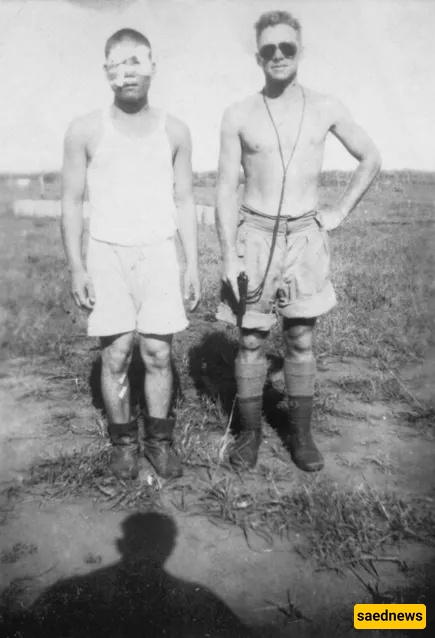
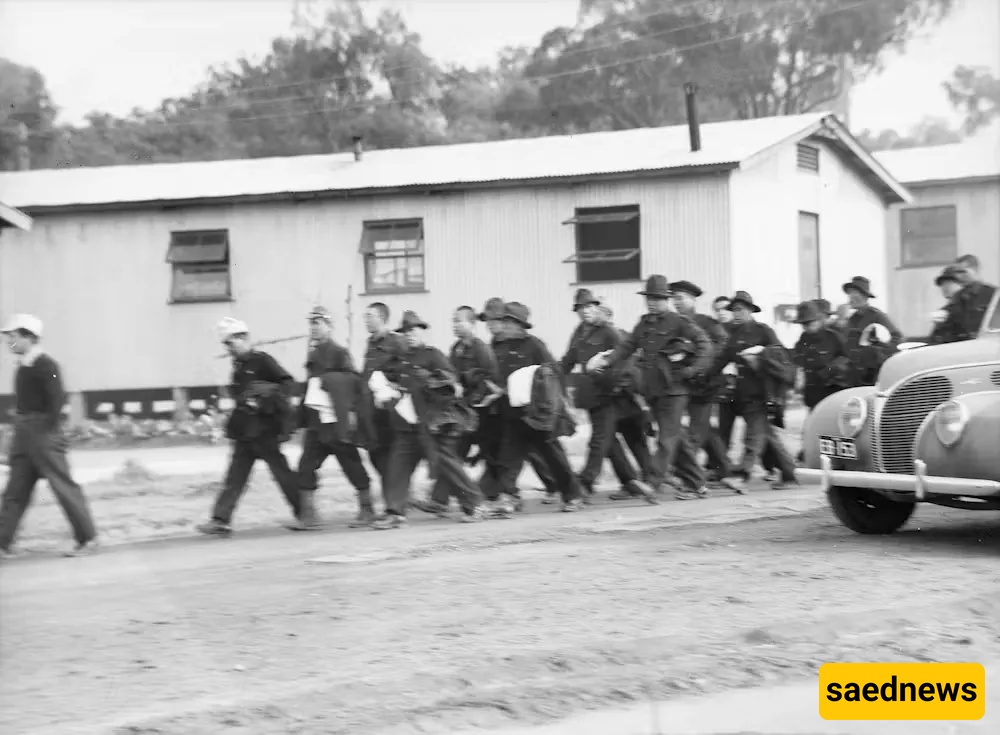
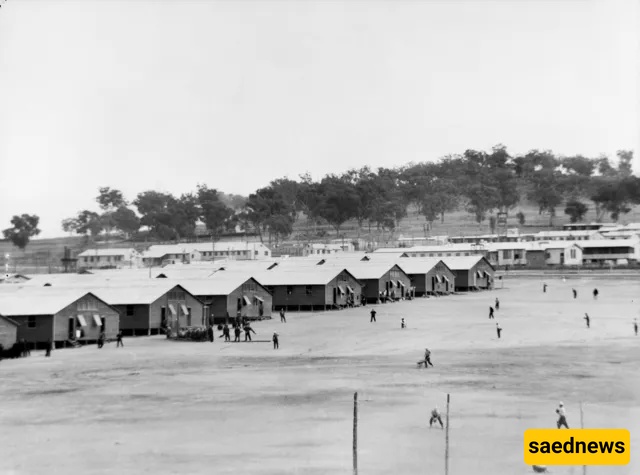
Cowra was equipped for a substantial prisoner population. Its facilities included a canteen, theater, recreation huts, barber and tailor shops, and medical and dental centers, as well as dining and sleeping areas. Prisoners could play soccer and baseball and maintain vegetable and flower gardens.
Under the 1929 Geneva Convention, which Japan had signed but not ratified, POWs were supposed to receive humane treatment and certain rights. Carr-Gregg wrote that Australians, eager to establish themselves as responsible participants in international affairs, were determined to follow the rules. Their treatment of prisoners contrasted sharply with the conditions experienced by many Allied POWs held by Japan, who faced brutal treatment, starvation and forced labor.
Japanese prisoners who knew about the mistreatment of Allied captives expected Australians to seek revenge. Instead, they were surprised by fair treatment and access to medical care comparable to that provided to Allied prisoners. Teruo Murakami, the last survivor of the Cowra breakout, later described the camp as “almost heavenly.”
Material comfort, however, did not resolve the prisoners’ struggle with captivity or survival. Some interpreted Australian restraint as weakness and exploited it, Cowra mayor Len Whiteley said in 1993. As reports of Japanese military defeats reached the camp, hard-line prisoners urged others to resist. Former prisoner Marekuni Takahara recalled the sentiment as a belief that they could not simply watch Japan decline and had to take decisive action.
On August 4, 1944, Cowra officials told the Japanese prisoners that men below the rank of lance corporal would be transferred to another camp to ease overcrowding. Prisoner leaders opposed the move, arguing that younger, lower-ranking soldiers regarded older officers as father figures and would struggle if separated from them. Australian officials rejected those objections.
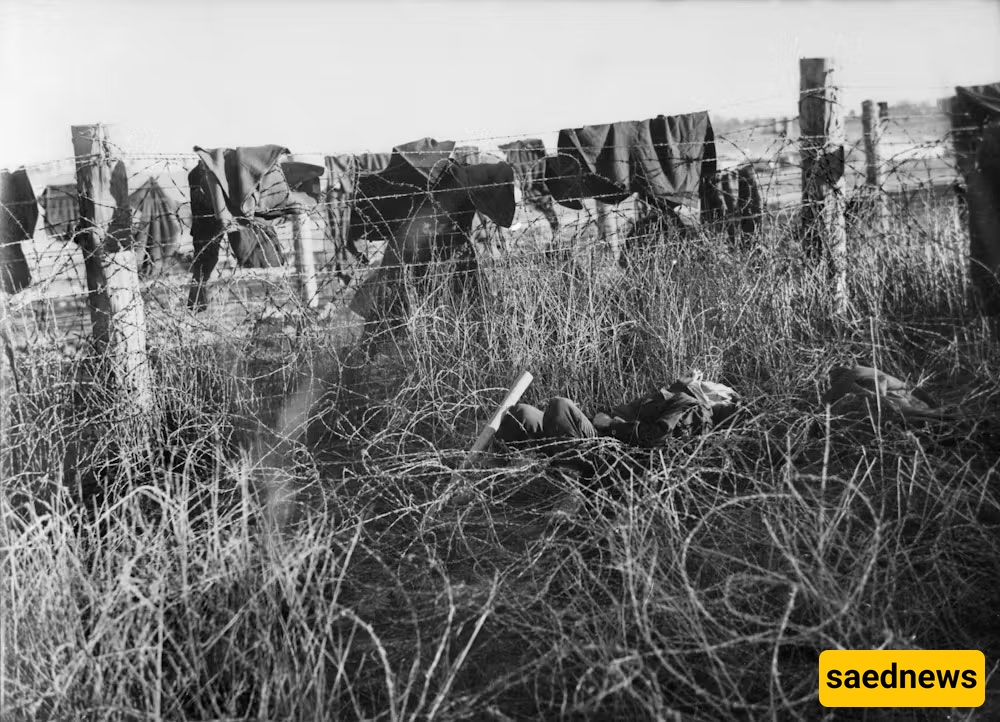
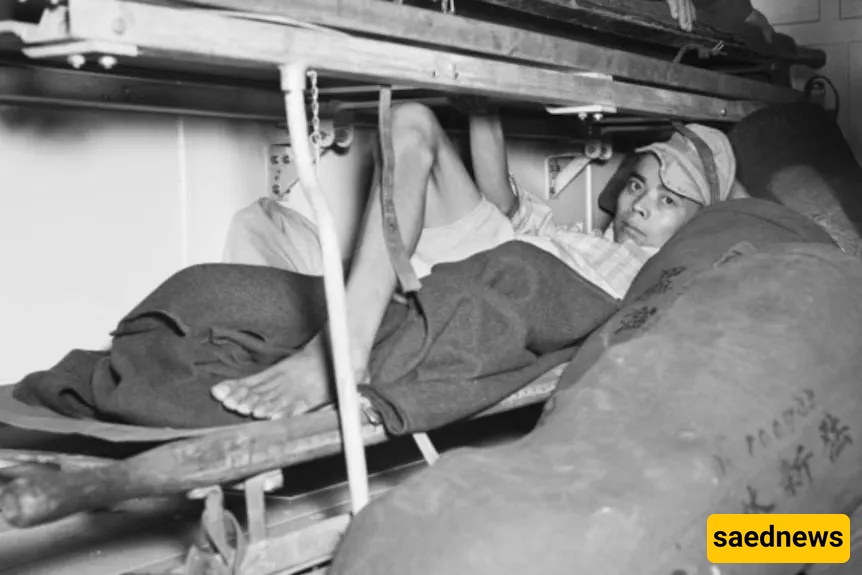
That afternoon, prisoners in compound B met to decide what to do. The most radical members advocated a mass escape, presenting it as a way to regain honor after surrender. They criticized anyone opposing the plan as failing to meet Japanese military standards and argued that an uprising could raise morale among Japanese troops still fighting. Around 80 percent voted in favor, although one survivor later said there was pressure to agree even among those who privately wanted to refuse.
Australian War Memorial curator Kerry Neale explained in 2019 that the prisoners knew the breakout was unlikely to succeed and expected many of them to die. What mattered, he said, was making the attempt and escaping the stigma attached to captivity.
Before the uprising, prisoners gathered improvised weapons and said farewell to one another. Some promised to meet again at Yasukuni, the Tokyo shrine dedicated to Japan’s war dead. Toyoshima was chosen to sound the bugle that would signal the beginning.
When the signal came, prisoners burned their huts and moved toward a barbed-wire fence, using blankets and baseball gloves for protection. Of the 1,104 Japanese prisoners at Cowra that day, all but 138 took part.
The prisoners divided into four groups with different objectives. One headed toward a Vickers machine gun operated by Australians Benjamin Gower Hardy and Ralph Jones, who had rushed to the weapon in their pajamas after hearing the disturbance. The prisoners overwhelmed them, stabbing Jones and striking Hardy with a blunt object. Before Hardy died, he removed a component from the machine gun, preventing the prisoners from using it.
Another group of 50 entered compound D, where Japanese officers were held, and stayed there until morning. Other escapees moved toward the camp’s perimeter and were met by gunfire. Prisoner Masayoshi Yamada later recalled hiding in a ditch to avoid the bullets. Before the revolt, he had wanted to survive, but once the decision to act was made, he became resigned to death.
By about 6:20 a.m., the fighting had ended and hundreds had escaped the camp. Authorities recaptured all 334 escapees over the following nine days. Twenty-five of those men died after leaving the camp, most by suicide. Some reached a nearby farm, where a local woman gave them tea while they waited to be found.
An estimated 183 Japanese prisoners died from gunshot wounds. Another 31 died from violence inflicted by themselves or other prisoners, while 12 died from unknown causes after their burned remains were discovered in the destroyed huts. Five more died from a combination of gunshot and self-inflicted injuries.
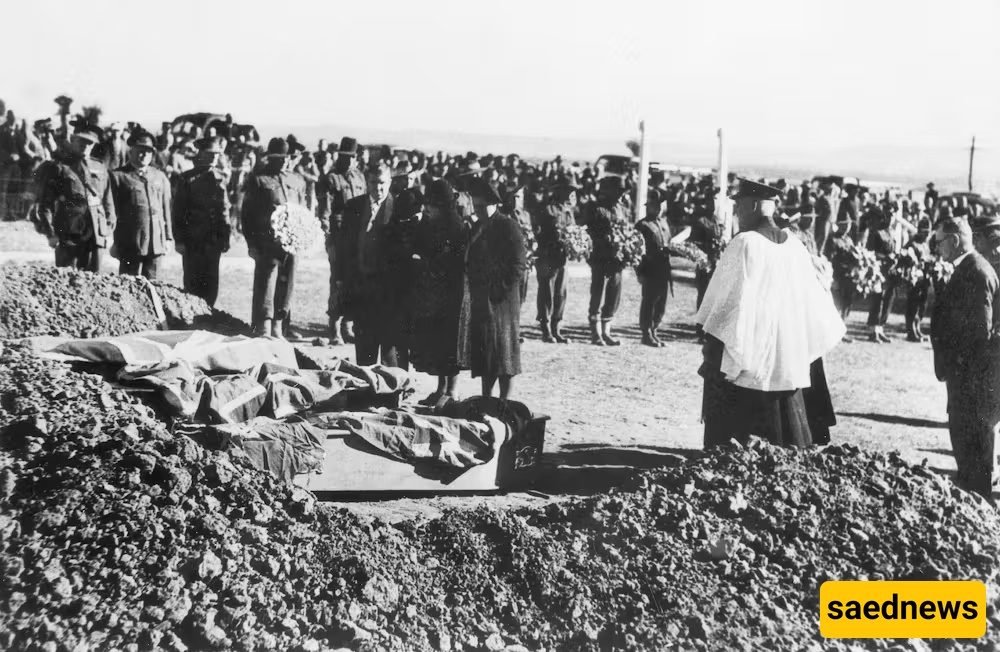
The Australian death toll included Hardy and Jones, as well as Private Charles Henry Shepherd, who was stabbed during the initial fighting. Lieutenant Harry Doncaster was later ambushed and killed by escapees. The final Australian casualty, Thomas Roy Hancock, was accidentally shot by another volunteer on August 7 while searching for escaped prisoners.
Australian authorities had received an earlier warning. In June, a Korean prisoner reported hearing indications of a coming revolt. Officials nevertheless failed to anticipate the scale of what followed, even though prisoners had been discussing an uprising for months.
Camp authorities had installed two machine guns outside compound B and placed guards on alert. But McLachlan argued that Australian officials could not fully understand the possibility that Japanese prisoners might choose death over continued captivity. Their inability to view the prisoners through anything other than their own cultural assumptions, he wrote, contributed to dangerous complacency.
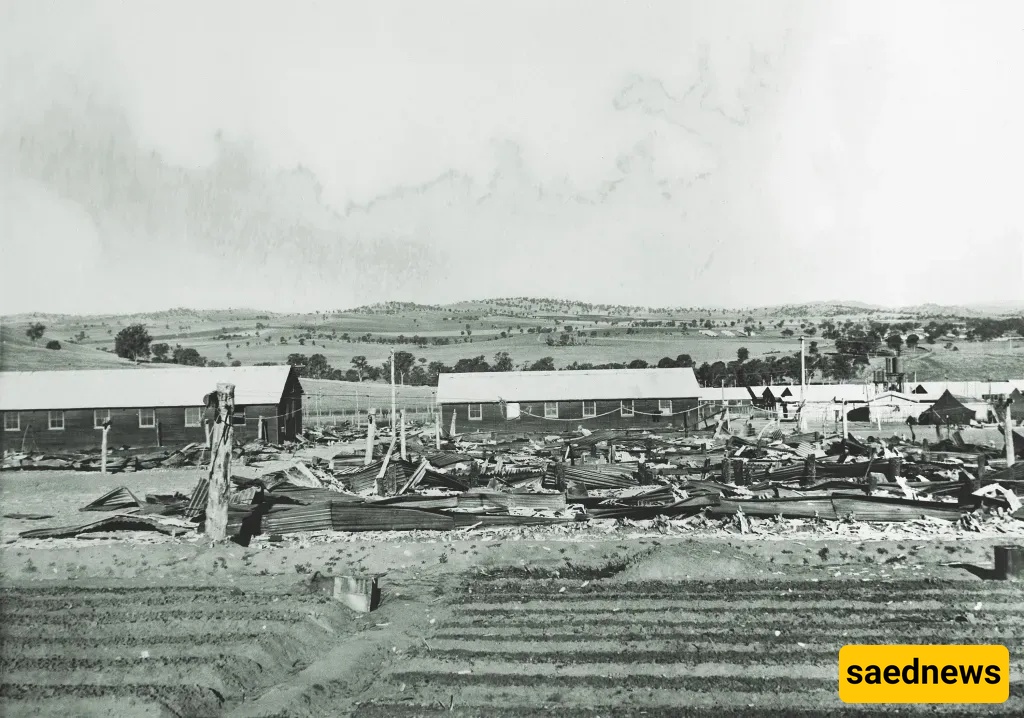
The surviving Japanese prisoners expected harsh punishment or execution. Instead, Australian authorities treated them relatively leniently. Yamada recalled receiving only bread and water for several days, followed later by jam and butter. Murakami remembered being assigned to cleanup work.
The guards who had failed to prevent the breakout were also punished. Sergeant Ashley Cooper said they were confined to the camp for six weeks after the uprising and were given no leave.
The surviving Japanese prisoners were later transferred to other POW camps, where they remained until the end of the war and their repatriation. As Straus wrote in The Anguish of Surrender, Japanese POWs returned home with unusual uncertainty about how their families would receive them because the government had already paid death benefits to relatives and captivity carried such a strong stigma.
Most, however, were welcomed. Murakami recalled returning home and hearing his family say that a ghost had come back from the war.
Today, Japanese prisoners who died during the breakout are buried at the Cowra Japanese War Cemetery alongside other Japanese POWs and airmen. Jones, Hardy, Shepherd and Doncaster were buried in a separate nearby cemetery, while Hancock’s remains were placed elsewhere.
In the decades since the uprising, the cemetery and a Japanese garden built in the 1970s have become symbols of improved relations between Australia and Japan. Kerry Neale said in 2019 that the cemetery connects the violence of the past with the restoration of the present, while the gardens and peace bell represent hope and harmony against the memory of wartime violence.