SAEDNEWS: Perhaps no king in Iran—especially during the more recent centuries—had a royal harem as vast and bustling as that of Naser al-Din Shah Qajar.
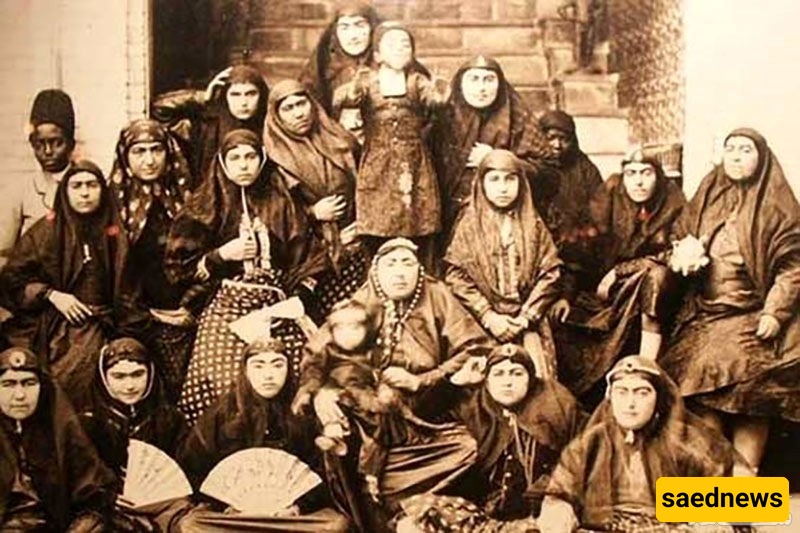
According to Saednews historical accounts, the size of Naser al-Din Shah Qajar's harem has long been a subject of debate. Some historians claim that more than 112 women lived in the royal harem. When female servants, attendants, and maids are included, the total number of women associated with the harem is said to have exceeded 2,000.
Other historians suggest that the Qajar monarch had more than 85 permanent and temporary wives. They also state that many women and young girls entered temporary marriages with the shah for only a single night or even just a few hours.
One of the sources for these claims is the memoirs of Doust Ali Khan Moayer al-Mamalek, a grandson of Naser al-Din Shah through his daughter. In his writings about the shah's private life, he described the monthly payments received by women in the royal court.
According to his account:
First-ranking wives received 750 tomans per month.
Second- and third-ranking wives were paid between 200 and 500 tomans per month.
Temporary wives reportedly received 100 to 150 tomans each month.
These amounts were considered exceptionally high for the period.
To understand the purchasing power of these salaries, contemporary prices near the end of Naser al-Din Shah's reign provide useful context. Historical records indicate that:
One sheep cost about 8 qerans.
One man of rice (roughly 3 kilograms) cost 3 qerans and 5 shahis.
One man of cooking oil cost 6 qerans.
A chicken cost around 15 shahis.
Based on these comparisons, the women of the royal court and harem appear to have received incomes that were significantly higher than those earned in many other occupations of the era.
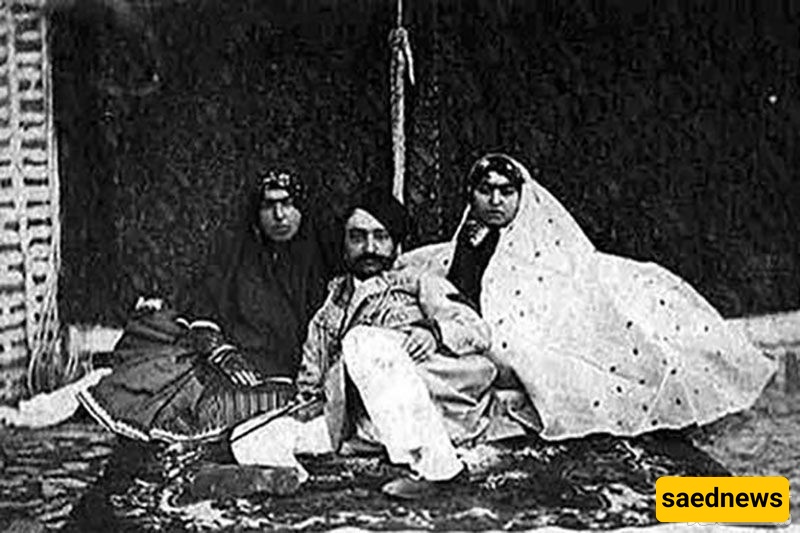
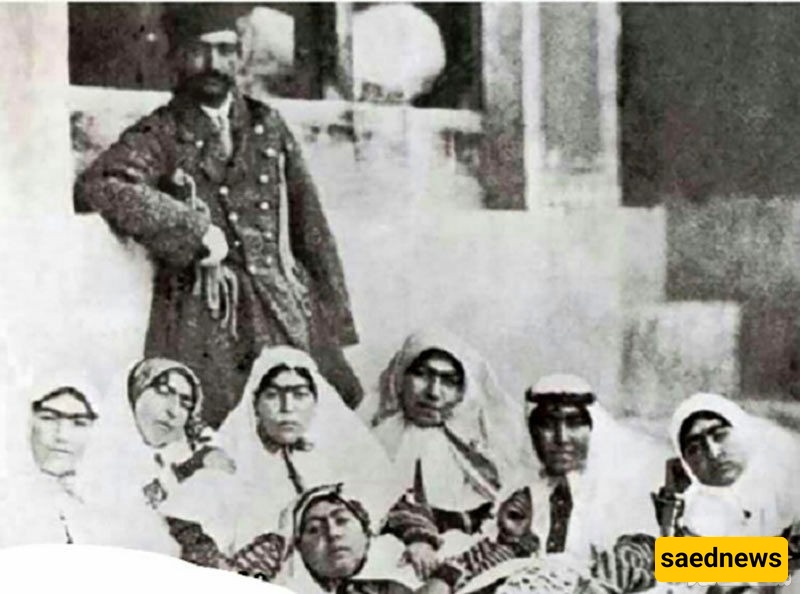
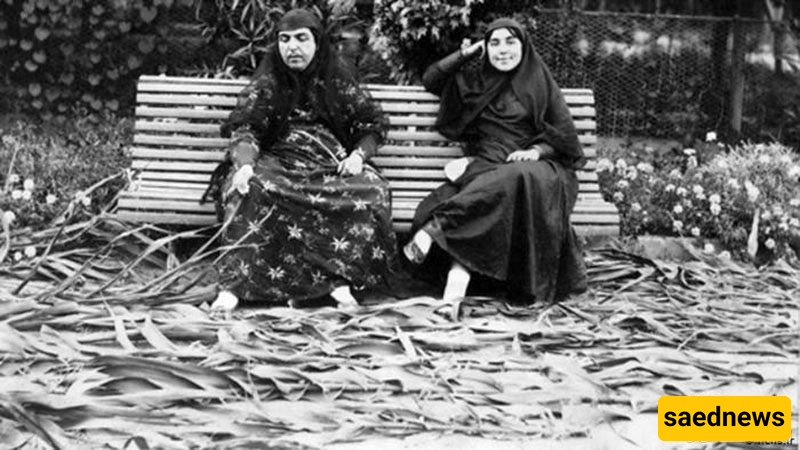
Naser al-Din Shah was also well known for his enthusiasm for photography. During his reign, some of the earliest photographs taken in Iran—including some of the first self-portraits and images of women from the royal harem—were produced. As a result, photographs of several of his favored wives and prominent court women have survived to the present day.
Naser al-Din Shah ruled Iran for nearly 50 years, and historical accounts note that the royal harem became considerably smaller after his death.