SAEDNEWS: The Abu Simbel Temples are located about 290 km southwest of Aswan in southern Egypt, near the Nubian border on the shores of Lake Nasser, part of the Nile River system.
According to Saednews, The Abu Simbel Temples are among the most extraordinary ancient monuments in Egypt. Built more than 3,200 years ago during the reign of Pharaoh Ramesses II, these magnificent rock-cut temples are renowned for their colossal statues, remarkable architectural precision, and one of the greatest archaeological preservation projects in modern history. Today, they stand as a UNESCO World Heritage Site and remain one of Egypt’s most visited historical attractions.
Located in southern Egypt near the Sudanese border, the Abu Simbel Temples were commissioned by Pharaoh Ramesses II around 1264–1244 BCE. Carved directly into a sandstone cliff on the western shore of Lake Nasser, the temples were designed to celebrate the pharaoh’s military victories, honor the gods of ancient Egypt, and demonstrate the power of the New Kingdom.
What makes Abu Simbel especially remarkable is not only its impressive construction but also the incredible effort made to save the temples from being submerged after the construction of the Aswan High Dam. During the 1960s, the entire complex was carefully dismantled, relocated, and reconstructed on higher ground in one of the greatest engineering achievements of the twentieth century.
The temples were built by Ramesses II, one of Egypt’s most celebrated pharaohs. Construction is believed to have taken approximately twenty years, with completion around 1244 BCE.
The complex consists of two temples:
The Great Temple, dedicated to Ramesses II and the gods Amun-Re, Ra-Horakhty, and Ptah.
The Small Temple, dedicated to Queen Nefertari and the goddess Hathor.
These temples symbolized Egypt’s strength and served as an important political and religious statement near the kingdom’s southern frontier.
The Great Temple is the larger of the two monuments, measuring approximately:
Height: 30 meters (98 feet)
Width: 35 meters (115 feet)
Depth: 64 meters (210 feet)
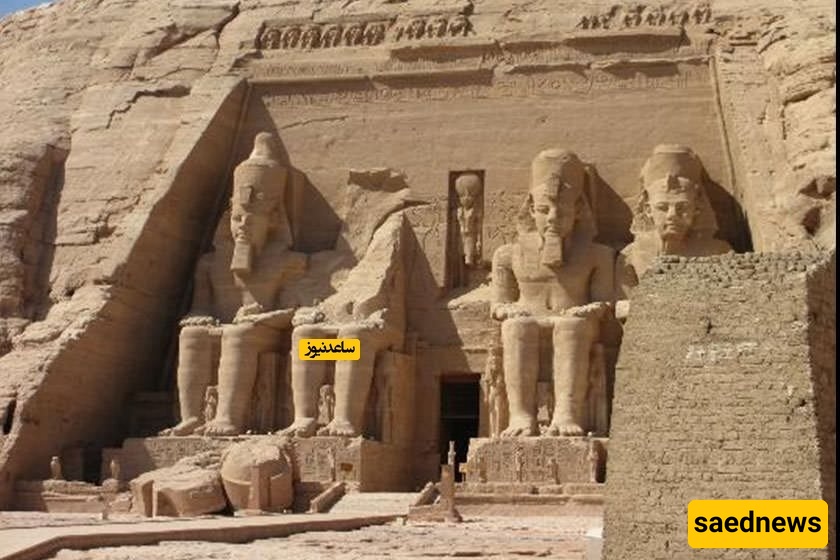
Its entrance is dominated by four colossal seated statues of Ramesses II, each standing approximately 20 meters (66 feet) tall.
Smaller statues positioned around the king represent:
Queen Nefertari
Members of the royal family
Royal children
Protective deities
Conquered enemies including Libyans and Hittites
Inside the temple, visitors pass through a grand hall supported by eight massive Osirid pillars depicting Ramesses II as the god Osiris. The walls are decorated with detailed reliefs illustrating military victories, religious ceremonies, and offerings to the Egyptian gods.
The innermost sanctuary contains four seated figures:
Ptah
Amun-Re
Ramesses II
Ra-Horakhty
One of Abu Simbel’s most famous features is its extraordinary solar alignment.
Twice each year—traditionally around 22 February and 22 October—the rising sun shines directly through the temple's entrance and illuminates the sanctuary deep inside the mountain.
The sunlight lights up three of the four seated statues:
Ra-Horakhty
Ramesses II
Amun-Re
The statue of Ptah, associated with the underworld, remains in darkness, reflecting his symbolic connection with the hidden world.
This remarkable phenomenon demonstrates the advanced astronomical and architectural knowledge of ancient Egyptian builders.
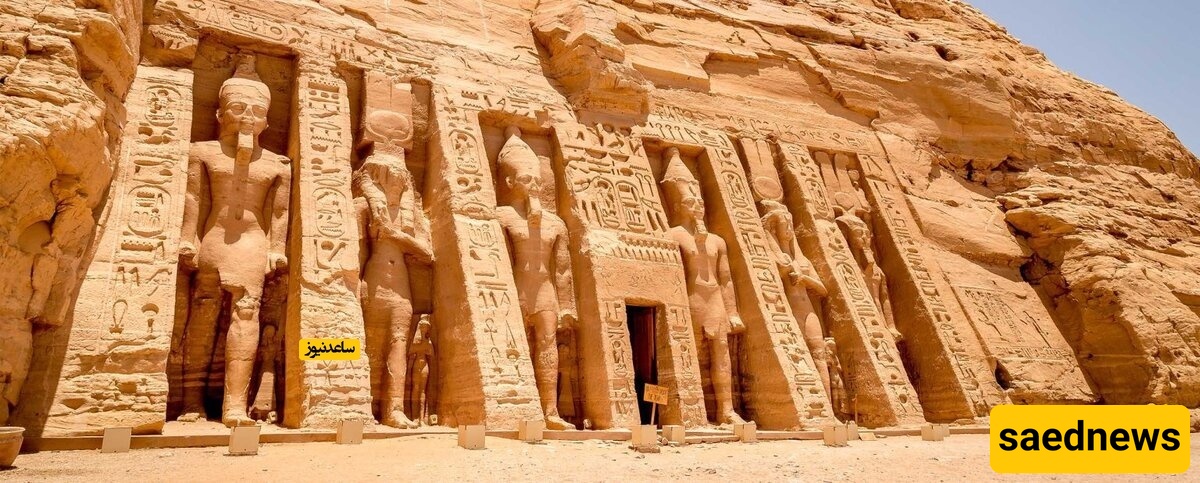
Located about 100 meters northeast of the Great Temple, the Small Temple was dedicated to Queen Nefertari, the beloved wife of Ramesses II, and the goddess Hathor.
Its approximate dimensions are:
Height: 12 meters (39 feet)
Length: 28 meters (92 feet)
The temple façade features six colossal statues approximately 10 meters (33 feet) high:
Four statues of Ramesses II
Two statues of Queen Nefertari
This equal representation was exceptionally rare in ancient Egypt and reflects the queen's high status.
Inside, six beautifully decorated columns bear capitals carved in the likeness of Hathor. The walls feature scenes of religious rituals and portray both Ramesses II and Nefertari making offerings to the gods.
During the 1960s, Egypt began constructing the Aswan High Dam to generate hydroelectric power and improve water management.
Archaeologists quickly realized that the rising waters of the future Lake Nasser would permanently flood the Abu Simbel Temples.
An international rescue campaign led by UNESCO was launched between 1964 and 1968.
Engineers carefully:
Cut the temples into large stone blocks weighing between approximately 3 and 30 tons.
Numbered every piece.
Transported them to a new location about 65 meters higher and roughly 200 meters inland.
Reassembled the monuments inside an artificial hill that replicated the original landscape.
The relocation preserved the temples while maintaining their original orientation, including the famous solar alignment.
Today, this project is regarded as one of the greatest achievements in archaeological conservation.
For centuries, the Abu Simbel Temples lay buried beneath desert sand, with only the upper portions of the statues remaining visible.
In 1817, the temples were excavated by the Italian explorer Giovanni Battista Belzoni, following guidance from a local boy whose name inspired the site's modern name.
Although the temples were built by Ramesses II, they are not named after the pharaoh.
According to local tradition, "Abu Simbel" refers to the young guide who helped early European explorers locate the buried temples. The name has remained associated with the site ever since.
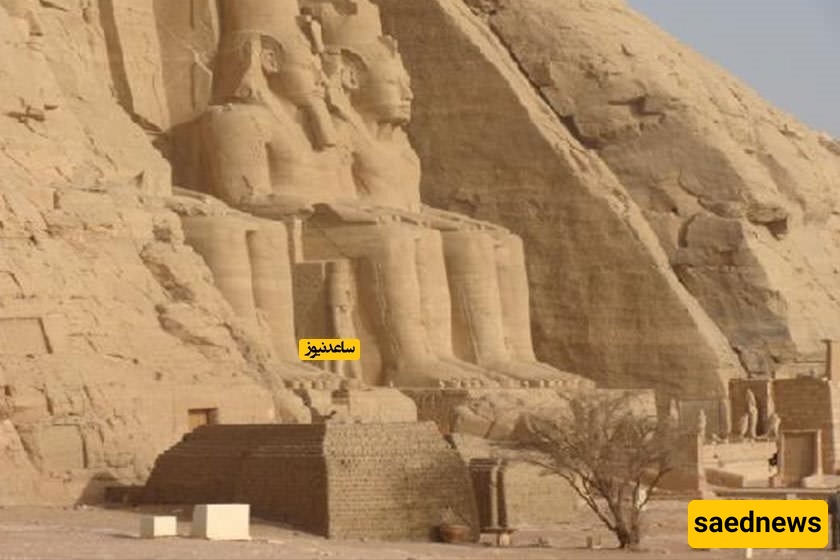
The temples were carved directly into a sandstone mountain.
Construction required the work of tens of thousands of laborers and craftsmen.
The four colossal entrance statues each stand approximately 20 meters tall.
The Great Temple extends about 64 meters into the rock.
Abu Simbel remained hidden beneath desert sand for nearly 2,000 years.
It is one of the most successful examples of international cooperation in cultural heritage preservation.
The temples are listed as part of the UNESCO World Heritage Site known as the Nubian Monuments.
The Abu Simbel Temples are located in Aswan Governorate, southern Egypt, approximately 230 kilometers southwest of Aswan on the western shore of Lake Nasser.
Most visitors reach the site by:
Organized day tours from Aswan
Domestic flights
Guided excursions included with Nile cruise itineraries
Because of the long desert journey, guided transportation is generally considered the safest and most convenient option.
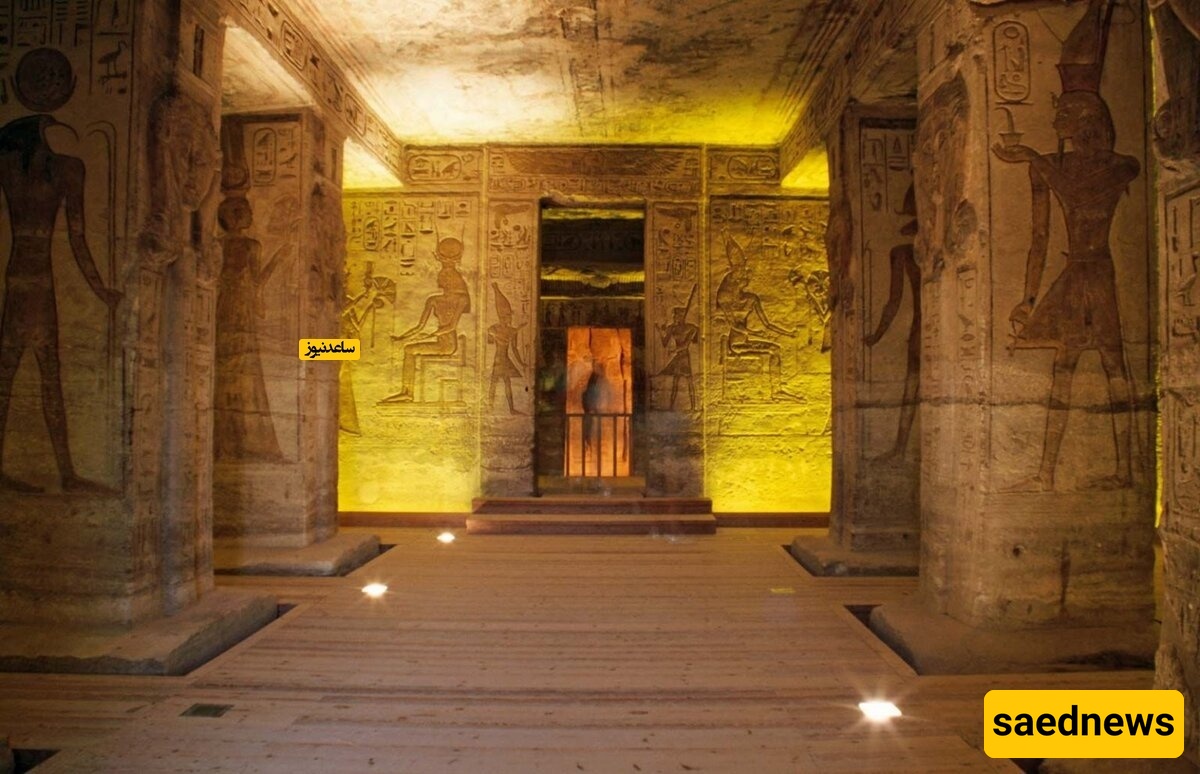
Abu Simbel Temples
Aswan Governorate, Southern Egypt
The Abu Simbel Temples stand among the greatest achievements of ancient Egyptian civilization. Their monumental architecture, colossal sculptures, sophisticated astronomical design, and extraordinary modern relocation make them one of the world's most remarkable archaeological sites.
From the towering statues of Ramesses II to the elegant temple dedicated to Queen Nefertari, Abu Simbel continues to inspire visitors with its artistic brilliance, engineering ingenuity, and enduring historical significance. Whether admired for its ancient craftsmanship or its successful preservation, Abu Simbel remains an unforgettable symbol of Egypt's rich cultural heritage.