SAEDNEWS: Fakhr al-Dowleh used to gift a taxi to young men who wanted to get married so they could earn a living.
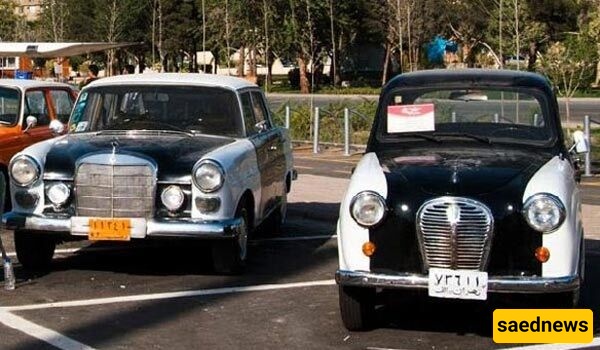
According to Saed News, citing the Young Journalists Club, Ashraf al-Molouk Fakhr al-Dowleh, the daughter of Mozaffar al-Din Shah Qajar, was born in 1304 AH (1886–1887 CE). She was initially engaged to her maternal cousin, Dr. Mohammad Mossadegh. However, due to the political rivalries of the time, Prime Minister Mirza Ali Khan Amin al-Dowleh decided to marry Fakhr al-Dowleh in order to strengthen his own political position.
Fakhr al-Dowleh became known as a religious, capable, and charitable woman who fiercely protected her family’s wealth. Through her intelligence, management skills, and determination, she succeeded in protecting herself and her family from the turmoil caused by the dismissal of her father-in-law, the royal court’s hostility toward her, the removal of her nephew Ahmad Shah from the throne, and other political crises. At the same time, she generously used her wealth for charitable activities.
One of her most significant achievements was the establishment of a nursing home for the elderly on her inherited lands in Kahrizak. Today, this institution is considered one of Iran’s largest organizations providing assistance to injured people, disabled individuals, and the elderly.
Through her financial resources, foresight, and leadership, Fakhr al-Dowleh became one of the wealthiest women in Iran. She demonstrated her abilities by introducing the taxi transportation system in Tehran, constructing the Fakhr al-Dowleh Mosque, and building several other public structures. History remembers her as an innovative and socially active woman.
Fakhr al-Dowleh was the first person to import taxis into Tehran. By establishing the city’s taxi system and supporting various construction projects, she ensured that her name remained in Iran’s history.
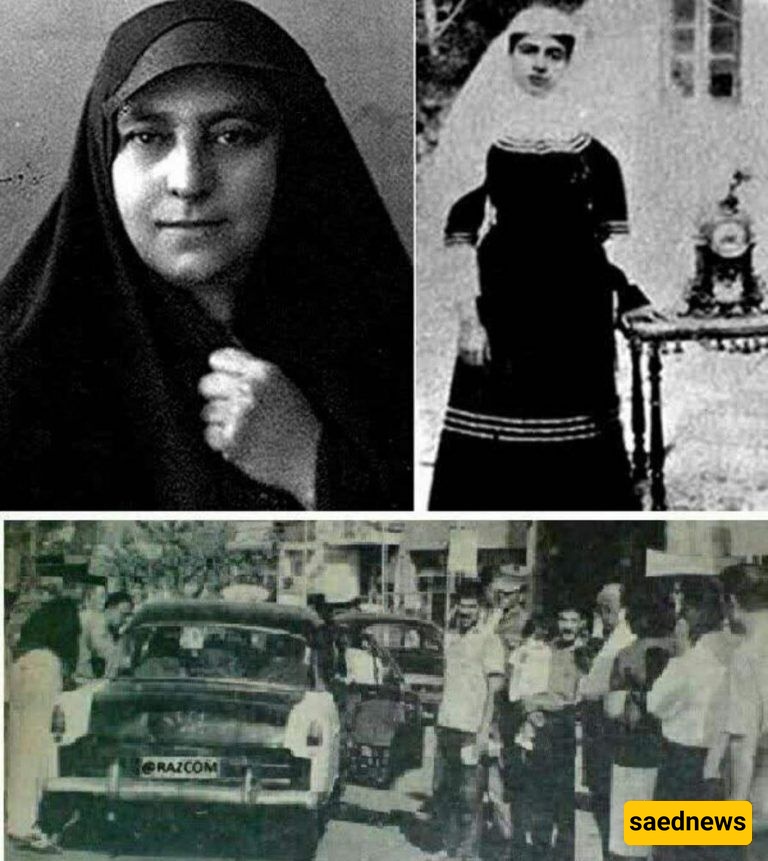
Fakhr al-Dowleh also gave a taxi as a gift to young men who were preparing to get married, allowing them to earn a living through taxi work.
At a time when urban life was rapidly expanding and horse-drawn carriages were still the main means of transportation in Iran, these traditional vehicles could no longer meet the needs of a growing modern city. Inventors were developing internal combustion engines, which eventually led to the creation and spread of automobiles.
Afterward, various car brands such as Volga, Chevrolet, Moskvitch, Hillman, Morris, Vanguard, DKW, Mercedes-Benz, Fiat, and others entered Iran’s urban passenger transportation system.
The rapid growth of Tehran and the sudden increase in the number of automobiles made traffic management increasingly difficult. It became clear to the municipality and police authorities that controlling vehicle movement in the city required specialized officials and organized regulations.
On December 1, 1969, an executive regulation was prepared by the Cabinet of Ministers under the title of “Control and Supervision of Proper Service Implementation.” After approval, responsibility for taxi management in Tehran was assigned to the Ministry of Interior and the Tehran Taxi Organization, which became an independent institution due to the city’s population exceeding 200,000 people.
Today, Tehran’s taxi fleet includes more than 100,000 taxi drivers and around 80,000 taxis, providing approximately 20% of the city’s internal transportation needs across 22 taxi service districts.
The Tehran Taxi Organization is responsible for all taxi-related affairs, including issuing taxi operation permits, proposing fare rates to the City Council, supervising the implementation of approved fares, handling drivers’ affairs, and managing other aspects of the taxi transportation system.