SAEDNEWS: Rare Discovery: Scientists Find 1,300-Year-Old Christian Tattoo on Mummy's Foot in Sudan
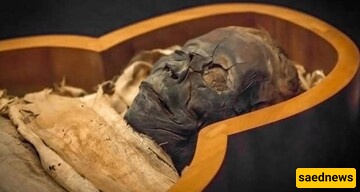
According to Saednews, Archaeologists have discovered a rare Christian tattoo on the foot of a medieval Sudanese mummy, offering new insights into the religious practices and tattoo traditions of the ancient Kingdom of Nubia.
The mummy was buried at the Ghazali Monastery, located about 15 kilometers from the Nile River, and researchers believe the individual was most likely a monk.
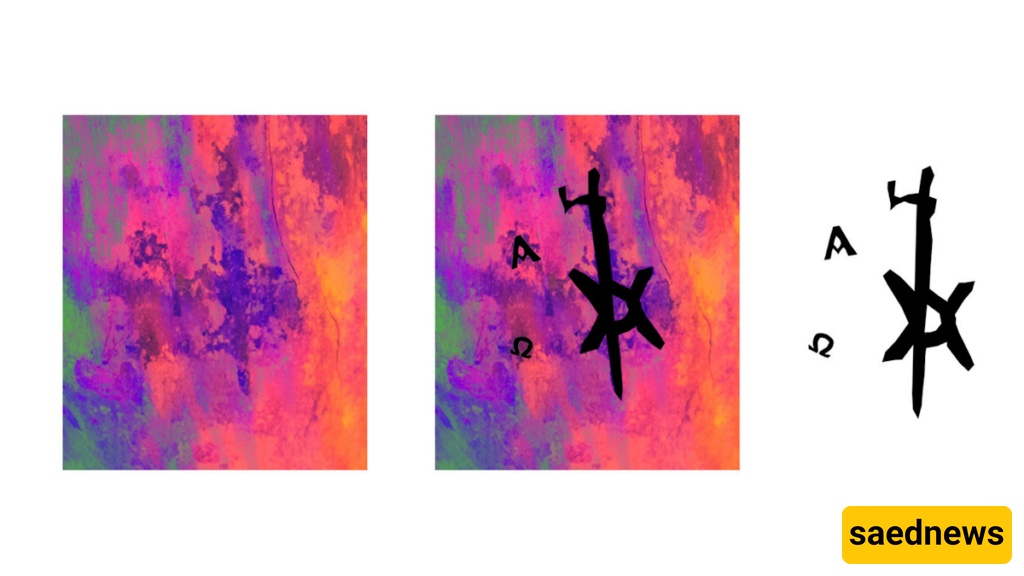
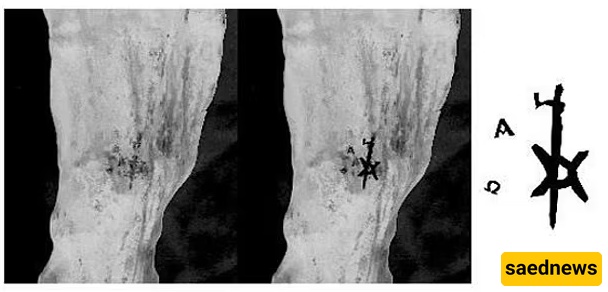
The tattoo was discovered unexpectedly by archaeologists from Purdue University during their examination of the mummy. The symbols appear to reference Jesus Christ and represent one of only two known medieval tattoo discoveries from Sudan, which was then part of the Christian Kingdom of Nubia.
According to Dr. Robert Stark, who led the bioarchaeological study, the tattoo may have marked a spiritual pilgrimage or reflected a deeply personal expression of faith.
The design includes a Christogram, featuring the Greek letters Chi (Χ) and Rho (Ρ), a traditional abbreviation representing the name of Christ. It also contains the Greek letters Alpha (Α) and Omega (Ω)—the first and last letters of the Greek alphabet—which symbolize the Christian belief that God is the beginning and the end of all things.

Researchers noted that the tattoo's orientation suggests it was intended to be viewed by the wearer, indicating that it likely held personal or private religious significance.
Its placement on the foot may also symbolize the crucifixion of Christ or represent a spiritual journey.
The tattoo was examined using full-spectrum photography and specialized image-processing software originally developed for studying cave paintings. This technology allowed researchers to reveal details that were not visible to the naked eye.
The findings also provide valuable information about tattooing techniques in medieval Nubia. Tattoos from the region typically featured geometric or floral patterns created using a "dot-and-dash" technique. However, both known medieval tattoos discovered in Sudan contain religious symbols and display more consistent, linear designs.
Perhaps most significantly, this discovery challenges the long-held belief that tattooing in medieval Nubia was practiced only by women. It is the first known tattoo found on the body of a male mummy from the region, suggesting that religious tattooing may have been more widespread and inclusive than previously believed.